
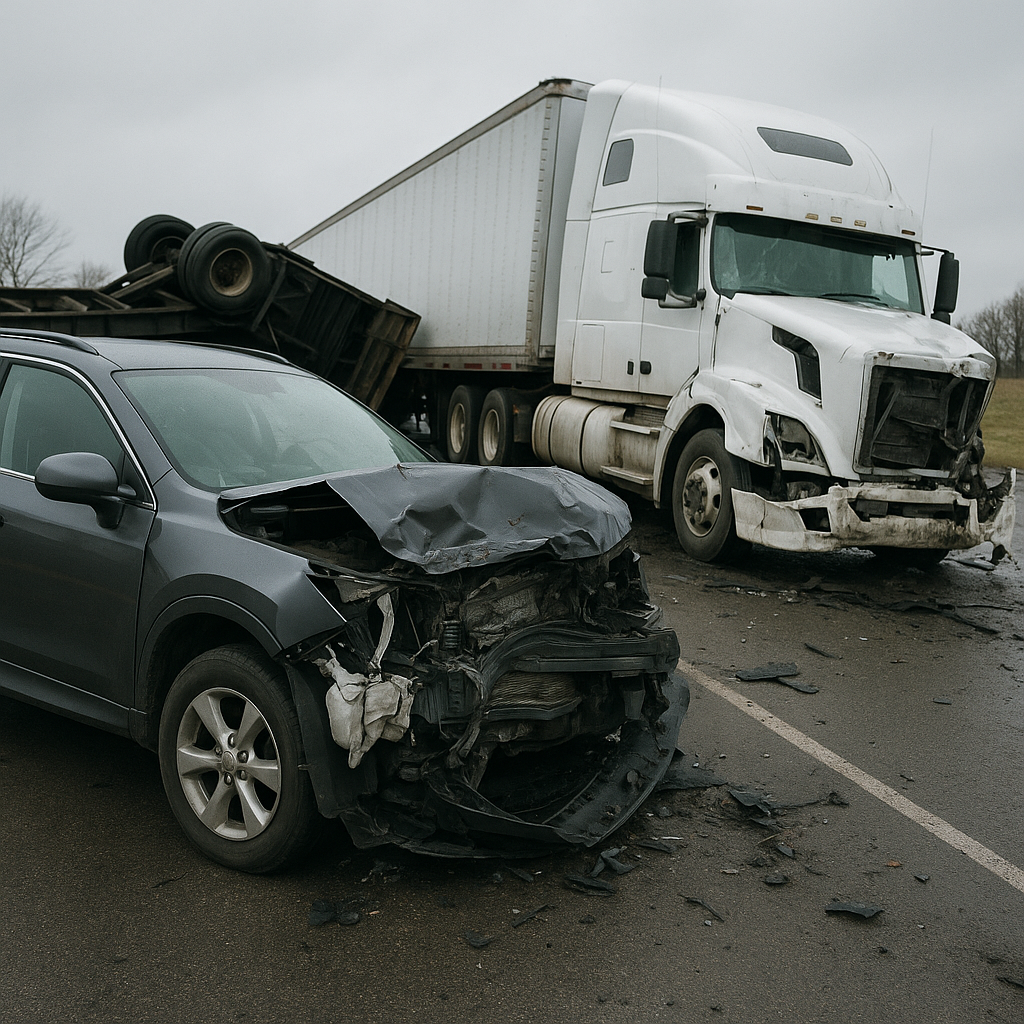
Family Anxiety After Severe Truck Crashes
Severe truck crashes can have a profound impact not only on those directly involved, but on their families as well. The aftermath brings new routines, emotional turmoil, and uncertainties. Understanding the nature and depth of “family anxiety after severe truck crashes” can help households manage these difficult times with resilience and empathy.
Why Truck Accidents Affect Entire Households
A severe truck crash is a sudden, traumatic event that disrupts the lives of everyone close to the injured person. The ripple effects touch every member of the family, regardless of their proximity to the accident itself. After such an incident, families often experience collective anxiety rooted in concern over the loved one’s health, potential changes to daily life, and fears about the family’s future stability.
Some factors make the impact particularly intense:
– Severity and visibility of injuries: Life-changing injuries or lengthy hospital stays are especially unsettling for families.
– Loss of routine: The absence of regular habits—work, school, chores, and leisure time—can be jarring.
– Financial uncertainty: Hospital bills, rehabilitation costs, and, in some cases, reduced household income often contribute to persistent stress.
– Unresolved questions: Recovery timelines, potential disabilities, and unknown outcomes keep families in a state of emotional limbo.
These cumulative stresses mean that “family anxiety severe truck crash” extends far beyond immediate worry for the injured individual, affecting relationships, roles, and daily wellbeing within the home.
Common Family Role Changes
When a key family member is injured in a truck crash, everyone’s responsibilities can shift overnight. These role changes are rarely straightforward, and adapting to them is an ongoing process.
Sudden Caregiver Responsibilities
The most immediate shift often involves informal caregiving. Partners, adult children, or even teenagers might find themselves attending medical appointments, administering medications, assisting with mobility, or performing personal care. This can be overwhelming, especially for those with little prior experience or those already balancing work and other obligations.
Adjustments Among Siblings
If the injured individual is a parent, children may experience heightened expectations or have to shoulder additional chores. Older siblings might look after younger ones more frequently, a change that can breed feelings of resentment or anxiety if not addressed openly.
Breadwinner Role Shifts
Injury sometimes means the family’s main earner is unable to work. Another family member may need to seek additional employment or increase work hours, leading to more absences at home and increased stress for everyone.
Emotional Role Reversals
Families often notice subtle emotional shifts, such as children trying to comfort parents, or partners switching from equals to caretaker/patient dynamics. These changes can strain relationships if not navigated mindfully.
Communication Challenges Families Face
Effective communication becomes both more important and more difficult after a truck crash. Families often struggle to talk honestly about pain, fear, and practical concerns.
Withholding Emotions
It’s common for family members to hide their true feelings to avoid burdening others. For example, children may keep their worries to themselves, sensing that their parents are already overwhelmed. Spouses or partners might minimize their own distress to appear strong for the injured person.
Breakdown of Routine Discussions
Everyday conversations about school, activities, and emotional needs may get lost amid medical updates and logistical planning. This shift can, over time, make family members feel disconnected or ignored.
Arguments Under Stress
Heightened anxiety sometimes leads to tension and misunderstandings. Quick tempers and short patience can result in disagreements about caregiving duties, finances, or household rules. These conflicts aren’t just about surface-level issues—they’re often rooted in unspoken fears.
Difficulty Discussing the Future
Families may avoid talking about long-term changes, such as ongoing disabilities or altered career plans, because these subjects feel overwhelming or painful.
Open, compassionate dialogue can reinforce family bonds, but reaching this point often requires time, patience, and, sometimes, outside support.
Long-Term Emotional Adjustment Patterns
Adapting emotionally after a severe truck crash is rarely a linear process. Most families go through several stages of adjustment, often cycling through them more than once:
Initial Shock and Survival Mode
The earliest days after the accident are characterized by shock, disbelief, and a focus on immediate needs. Families may experience sleep disruptions, loss of appetite, and physical exhaustion.
Chronic Anxiety and Grief
As the reality of injuries and changed circumstances set in, anxiety about the future grows. Grief may emerge—not only for what has happened, but for the life plans and routines disrupted by the crash.
Search for Stability
Gradually, families begin to establish new routines and accept altered roles. There may be attempts to reclaim pre-accident habits, or to create new ones suited to their changed reality.
Resilience and Meaning-Making
Over time, some families find that adversity brings new strengths or deeper relationships. This is not to suggest the process is easy—many continue to struggle, while others eventually find meaning in their collective journey. Provided that stress is acknowledged and addressed, families can emerge with increased resilience.
It’s important to note that adjustment is different for everyone. Emotional setbacks or ongoing anxiety don’t represent failures, but are normal responses to significant trauma and disruption.
Conclusion
A severe truck crash leaves few families unchanged. The resulting anxiety, coupled with shifting roles and communication challenges, can feel overwhelming. However, understanding the dynamics of “family anxiety severe truck crash” helps families navigate the road to recovery with compassion and patience. While the journey varies for every household, recognizing each member’s feelings and adjusting openly as a team fosters emotional healing and growth. If needed, seeking outside support, such as counseling or support groups, can also ease the path forward, helping families rebuild their sense of safety and connection over time.