
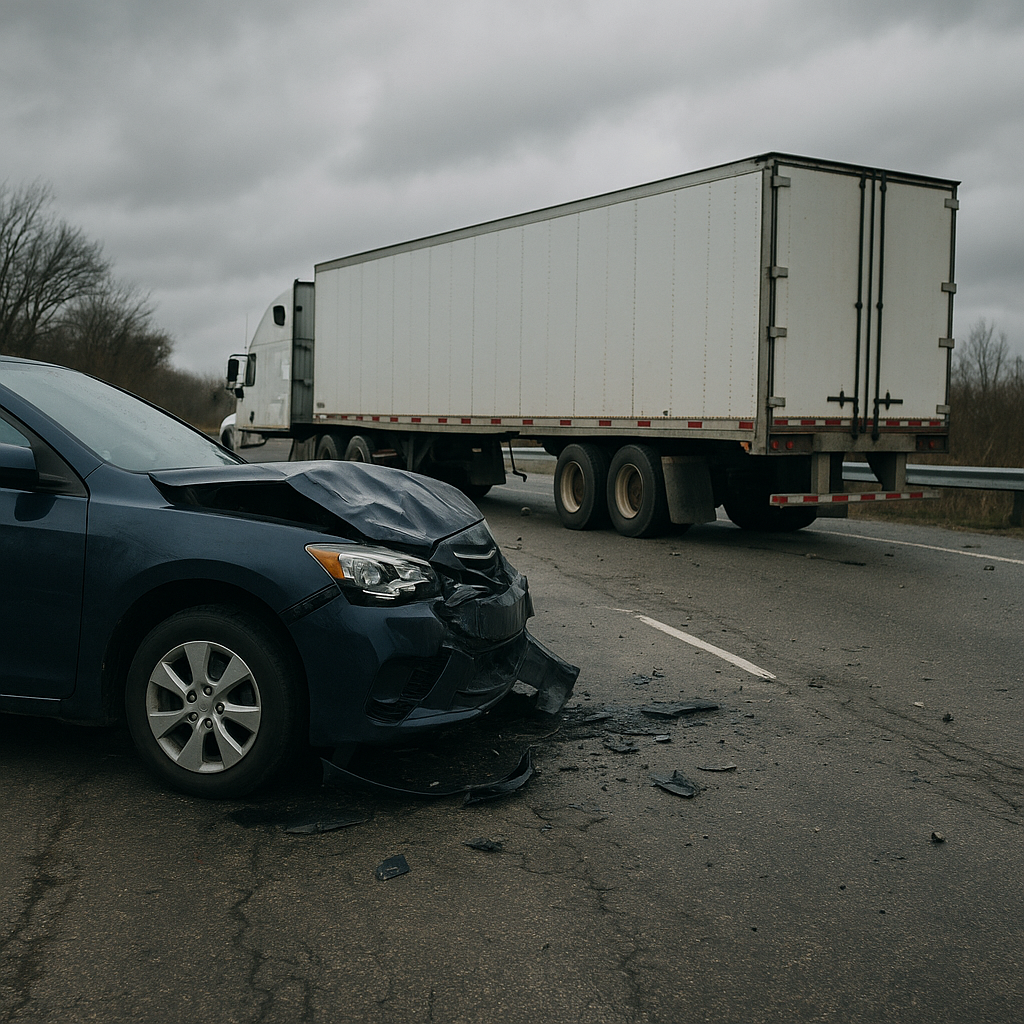
Why Trauma Feels Different After Truck Accidents
Overview of Shock and Trauma After Truck Accidents
Experiencing a truck accident can be a life-altering event, often leaving lasting physical and emotional marks. Many individuals notice that trauma feels different after a truck accident compared to other types of collisions or distressing events. The sheer size and force involved, along with the circumstances surrounding truck accidents, contribute to unique psychological and physiological responses.
The immediate aftermath of such incidents can involve profound shock. This state of sudden emotional and mental disorientation is a protective mechanism, helping the mind manage overwhelming stress. However, as time passes, these feelings can evolve, sometimes developing into forms of trauma that set truck accident survivors apart from those affected by smaller-scale accidents.
Understanding why trauma feels different after a truck accident requires an exploration of the mind and body’s responses, as well as the changing nature of those reactions over time.
Why the Body and Mind React This Way
The body’s response to a truck accident is rooted in biology. Humans are hardwired to react instinctively when confronted with a threat. Encounters involving massive vehicles trigger the brain’s alarm system—the amygdala—which perceives the event as acutely dangerous. Unlike a typical car collision, a truck accident typically involves more noise, force, and potential for serious injury or extensive damage.
The sensory flood at the moment of impact can overwhelm the nervous system. Sights, sounds, and even smells become imprinted, reinforcing the sense that this experience is fundamentally different from others. The “fight, flight, or freeze” response is often immediate and pronounced, leading to a surge in stress hormones like adrenaline and cortisol.
Mentally, the scale and unpredictability of a truck accident may make the experience feel surreal or difficult to process. The presence of large commercial vehicles brings different risks and consequences, such as the potential involvement of hazardous cargo or the complexity of the accident scene. The mind is left to piece together what happened amid a torrent of sensations and emotions, further coloring the trauma with a quality that might not be present in less severe situations.
The combination of intense physical danger, heightened sensory input, and psychological confusion helps explain why trauma feels different truck accident survivors compared to other incident survivors.
Common Reactions People Experience
After a truck accident, common psychological and physical reactions may occur, with some being more pronounced or persistent than after less severe incidents. These reactions include:
– Shock and disbelief: Survivors often find themselves replaying the events, struggling to accept that something so significant has happened.
– Intrusive memories: Vivid flashbacks, nightmares, or distressing images replaying in the mind are not uncommon.
– Hyperarousal: A constant sense of alertness, jumpiness, or trouble relaxing may persist, as the body remains on high alert.
– Emotional numbness: Feeling detached from others or having difficulty experiencing joy or sadness sometimes follows the initial events.
– Physical symptoms: Headaches, muscle tension, stomach upset, or unexplained aches may accompany emotional distress.
– Changes in mood: Irritability, sadness, or unexplained anger can develop, even in those who usually are even-tempered.
– Avoidance behaviors: Some people might avoid reminders of the accident, such as highways, trucks, or certain conversations.
It is important to note that the intensity of these reactions often correlates with the severity of the incident. The magnitude and potential devastation of a truck accident can amplify them, making the trauma stand out from other distressing experiences.
How These Reactions Can Change Over Time
The reactions described above are not fixed; they often shift as time passes. In the days and weeks following the event, shock and confusion typically dominate. For many people, some symptoms gradually fade as routine and normalcy return. However, for others, certain reactions persist or even intensify, shaped by personal coping mechanisms, the presence of support networks, and the individual meaning attached to the event.
Over time, new responses sometimes emerge. For example:
– Lingering anxiety: Even after physical recovery, a persistent sense of unease or worry around trucks, traffic, or driving may remain.
– Shifts in sleep: Nightmares and insomnia can develop or continue as the brain tries to process what happened.
– Changes in lifestyle: Choices around travel, work, or social activities may shift to avoid situations that trigger memories of the accident.
– Emotional fluctuation: Grief, frustration, or even guilt may surface, especially if the accident affected others or resulted in long-term physical consequences.
On the other hand, some individuals experience gradual acceptance and adaptive coping. Support from friends, family, or professionals may help in processing memories and regaining a sense of safety. For others, healing is not linear, and reminders of the truck accident can trigger renewed distress, sometimes months or even years later.
In summary, the lingering effects of a truck accident are often marked by heightened stress responses and a unique blend of emotional and physical symptoms. This combination can make recovery a different experience than after other types of traumatic events.
Closing Reassurance
Recovering from a truck accident can be an ongoing and sometimes complicated process. The way trauma manifests, both immediately and over time, often feels distinct because of the severity, unpredictability, and overwhelming nature of these incidents. While reactions differ from person to person, it is common for survivors to notice that their feelings are not quite the same as after other accidents.
Everyone’s experience is individual, shaped by a range of factors beyond the initial event. While the journey forward may hold challenges, understanding why trauma feels different after truck accidents is one step towards making sense of those feelings. Whatever path recovery takes, acknowledging these experiences is an important part of finding equilibrium once again.