
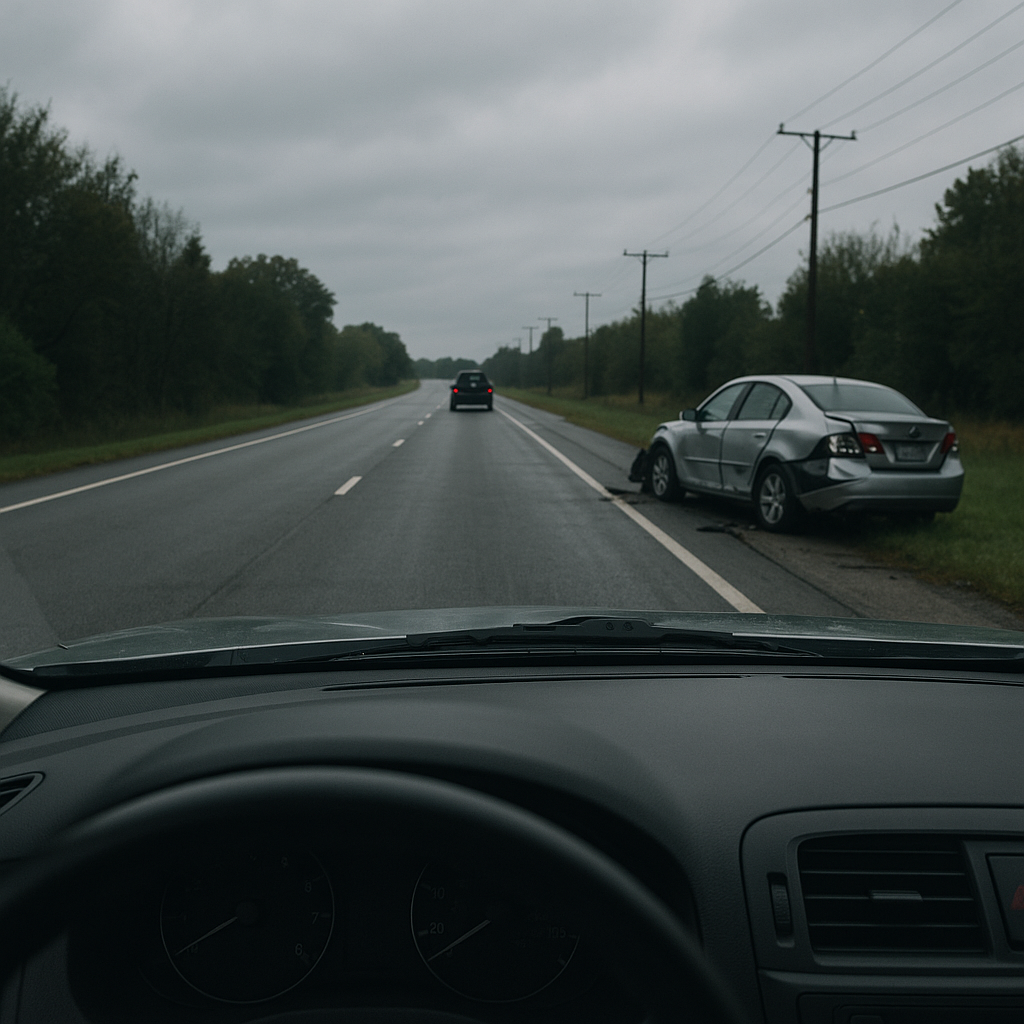
Why Trauma Makes You Scan the Road Constantly
Overview of Shock and Trauma After Truck Accidents
Experiencing a truck accident is a profoundly jarring event. In the moments and weeks that follow, many people find themselves feeling unsteady, unsettled, or on high alert—even after leaving the scene. This lingering state is a natural response to shock and trauma, and it unfolds in both the mind and body.
After a major accident, people often report being unable to relax while driving or riding in a vehicle. They may find themselves repeatedly scanning the road for potential threats—watching side mirrors, checking blind spots more frequently, and fixating on the movements of nearby vehicles. This behavior is so common that psychologists and trauma researchers have studied it for years, identifying patterns consistent across many individuals.
Truck accidents in particular can escalate these reactions due to their sheer size and impact. The memory of an event involving a large vehicle can be more intense and persistent, leading to heightened vigilance long after the incident has passed. This tendency doesn’t stem from imagination or oversensitivity. Instead, it is rooted in the way the human body and mind attempt to process and recover from traumatic experiences.
Why the Body and Mind React This Way
Trauma is not just a psychological state; it has a deep physical component. When a person goes through a frightening event such as a truck accident, their brain and nervous system enter a state of hyperarousal. This is part of the body’s automatic “fight, flight, or freeze” response, designed to keep individuals safe in the face of danger.
Even long after the physical threat has passed, these survival mechanisms can remain active. The part of the brain responsible for detecting threats, known as the amygdala, can become especially sensitive after trauma. Essentially, it overestimates the likelihood of future danger and signals the body to remain alert. This is why scanning the road becomes an almost automatic habit—your brain is trying to prevent another dangerous event by constantly searching for potential warning signs.
In addition, trauma can affect memory and perception. The brain may “replay” the event in different forms, such as through intrusive thoughts, vivid memories, or dreams. This can make it harder to feel safe, as the mind blurs the boundaries between past danger and the current moment.
The cumulative outcome of these processes is a state of hypervigilance—always watching, always waiting for something to go wrong. On the road, this manifests as scanning for any irregularities, sudden movements, or risky behavior from other drivers.
Common Reactions People Experience
For many people, scanning the road after trauma is just one of several reactions. Some of the most common experiences include:
– Heightened alertness while driving: Noticing every detail, from changes in surrounding vehicles to road signs, with an intensity that can be exhausting.
– Increased startle response: Reacting more strongly to sudden noises or unexpected vehicle movements.
– Physical tension: Feeling tightness in muscles, clenching the steering wheel, or holding breath unconsciously.
– Worry and anticipation: Expecting danger to occur, even in familiar or previously “safe” environments.
– Difficulty concentrating: Being distracted by memories of the accident or feeling mentally preoccupied by the possibility of another accident.
– Avoidance: Choosing longer routes to avoid highways or the location where the accident occurred.
– Flashbacks or intrusive thoughts: Reliving parts of the accident when traveling or even at random moments.
These reactions can occur alone or together. For some, they appear immediately after an accident; for others, they may develop gradually over time.
How These Reactions Can Change Over Time
These patterns are not necessarily permanent, but the time they take to ease can differ greatly from person to person. For many, the body’s natural healing mechanisms will gradually reduce the intensity of these alert responses. As new, safe experiences on the road accumulate, the brain begins to relearn that driving does not always result in danger.
In the early period after a truck accident, reactions tend to be strong and persistent. Over weeks or months, some people notice the urgency to scan the road slowly diminishes. They may still check mirrors or watch for hazards, but the process becomes less urgent and less emotionally charged.
For others, these experiences may remain ongoing or even intensify, especially if the initial trauma was particularly serious or if reminders of the accident are frequent. Individual backgrounds, previous experiences with trauma, and available support resources play a role in this variation.
It’s important to recognize that scanning the road more than usual is a reasonable response for someone who has been in a serious accident. This heightened awareness is the body’s attempt to keep safe, even if it feels uncomfortable or tiring.
Closing Reassurance Paragraph
The urge to constantly scan the road after a traumatic experience is a common and understandable reaction. It reflects the mind and body’s efforts to process what has happened and to protect against future harm. Over time, these reactions may settle as safety and confidence gradually return. Each individual’s experience is unique, and responses may shift at different rates. Being aware of these patterns can offer some clarity and validation for anyone finding themselves unusually vigilant after trauma.