
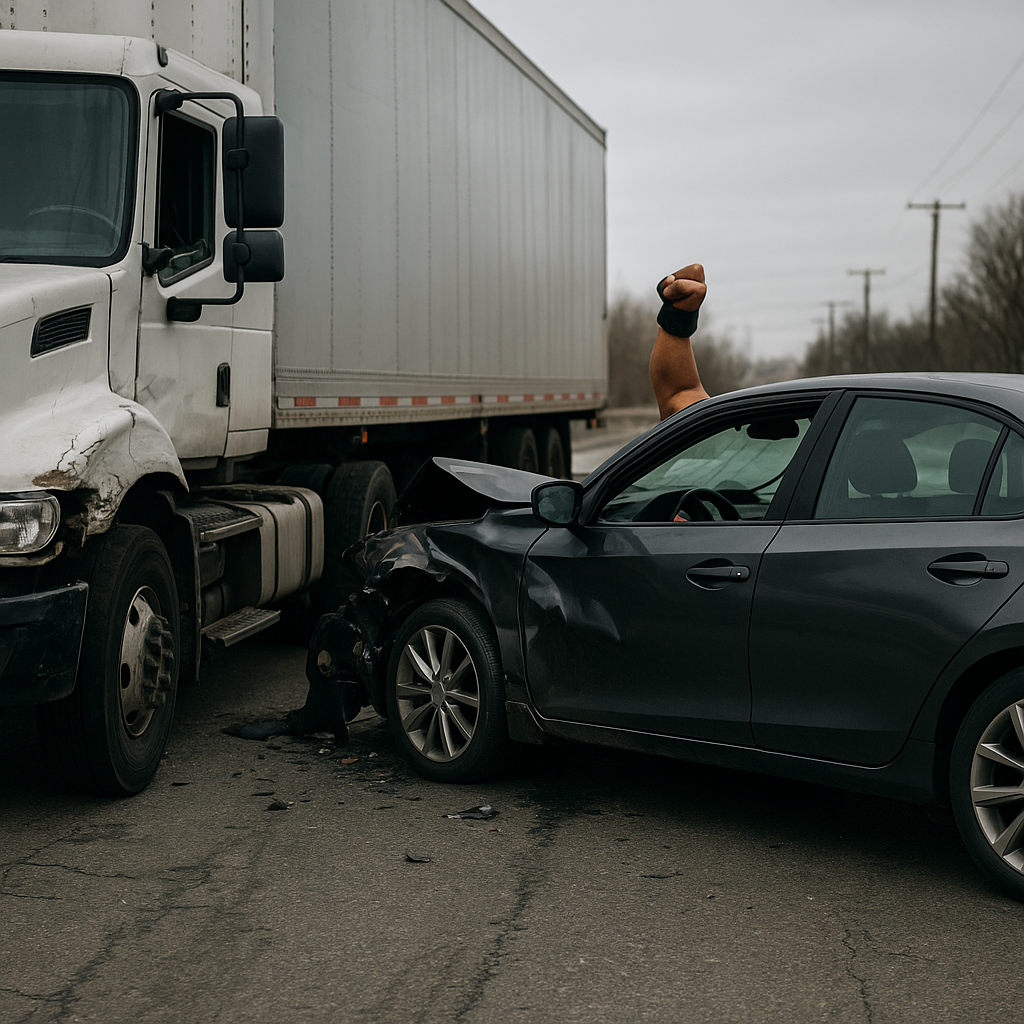
Fight Response Emotions After Truck Accidents
Truck accidents can leave a lasting impact on those involved, not only because of their physical consequences but also due to the emotional turmoil that follows. Among the various psychological responses to such traumatic events, the “fight response” is a particularly significant aspect of what is often called “fight response trauma.” Understanding these emotions is crucial in the aftermath of a truck accident.
Overview of Shock and Trauma After Truck Accidents
Immediately following a truck accident, many individuals experience a state of shock—the body and mind’s instinctive way of coping with sudden, overwhelming stress. Shock represents a natural response to trauma, marked by feelings ranging from numbness and disbelief to confusion and fear. These effects are not just fleeting sensations but often serve as a bridge to a complex set of emotional reactions that may unfold over time.
Trauma brought on by significant incidents like truck accidents can ripple through a person’s sense of well-being and safety. Even those who physically walk away from an accident may carry unseen emotional burdens. Among the many stress responses—the classic “fight, flight, or freeze” reactions—the fight response can manifest in unique, sometimes unexpected ways.
Why the Body and Mind React This Way
The body’s fight response is a centuries-old mechanism developed for survival. When faced with a perceived threat, such as the intense danger of a truck accident, the brain’s alarm system floods the body with stress hormones like adrenaline and cortisol. These chemicals prime the body for action: muscles tense, heart rates increase, and senses sharpen.
Psychologically, the mind races to interpret what happened and how best to protect itself moving forward. The “fight” reaction does not necessarily mean physical aggression; it can present as heightened irritability, restlessness, or strong determination to assert control over a situation. This pattern of responding is deeply rooted in our biology—an innate drive to confront threats rather than avoid them.
Common Reactions People Experience
Following a truck accident, common fight response emotions or behaviors can include:
– Anger: Often, survivors report feeling unexpectedly angry at the situation, at other drivers, or, sometimes, themselves. This anger can emerge quickly or develop as the reality of the accident sets in.
– Frustration: There may be intense frustration about the disruption to daily life, damage to property, or dealings with insurance and logistics.
– Irritability and Agitation: Some individuals notice a shorter temper or become easily upset by minor inconveniences.
– Defensiveness: A heightened sense of vigilance or being easily startled is possible, as the mind tries to anticipate any similar threat in the future.
– A Need for Control: After the unpredictability of an accident, some may become very focused on regaining control over their environment, routines, or the situation as a whole.
– Verbal Confrontations: In some cases, survivors may be more prone to arguing or raising their voices, whether with those involved in the accident or with friends and family.
These responses are not limited to the immediate aftermath. Even days or weeks later, emotions tied to the event can surface, especially when reminders (like passing the accident scene) trigger memories.
How These Reactions Can Change Over Time
The emotions and behaviors resulting from fight response trauma are not necessarily static. Initially, responses may be intense and disorienting, a direct echo of the threat faced during the accident. Over time, however, these feelings often evolve.
For many, the initial surge of anger or irritability may give way to periods of reflection or even withdrawal. The need to assert control can gradually diminish as routines are reestablished and a sense of normalcy begins to return. Alternatively, some emotions may shift or resurface due to ongoing challenges related to the accident, such as dealing with insurance companies, vehicle repairs, or transportation changes.
In some cases, triggers—such as witnessing another road incident or simply driving—can temporarily revive these intense emotional reactions. However, for most individuals, the body and mind naturally work toward restoring equilibrium. The fight response, in many instances, becomes less frequent and intense as the immediate threat fades into the background of lived experience. The timeline, however, is unique to each person and affected by many factors, including prior experiences, support systems, and the specific circumstances of the accident.
Closing Reassurance Paragraph
Experiencing a fight response after a truck accident is a natural and understandable reaction to trauma. Emotions such as anger, frustration, and a heightened sense of alertness are part of the body and mind’s way of coping with extraordinary stress. These reactions can be unsettling, especially when they linger or resurface unexpectedly. Yet, they reflect the depth of the human capacity to respond to challenge and change. As time passes, many find these emotions gradually lessen in intensity, allowing for adaptation and a return to familiar routines. The journey through such emotional experiences is individual, and a wide range of responses are normal in the spectrum of recovery after traumatic events like truck accidents.