
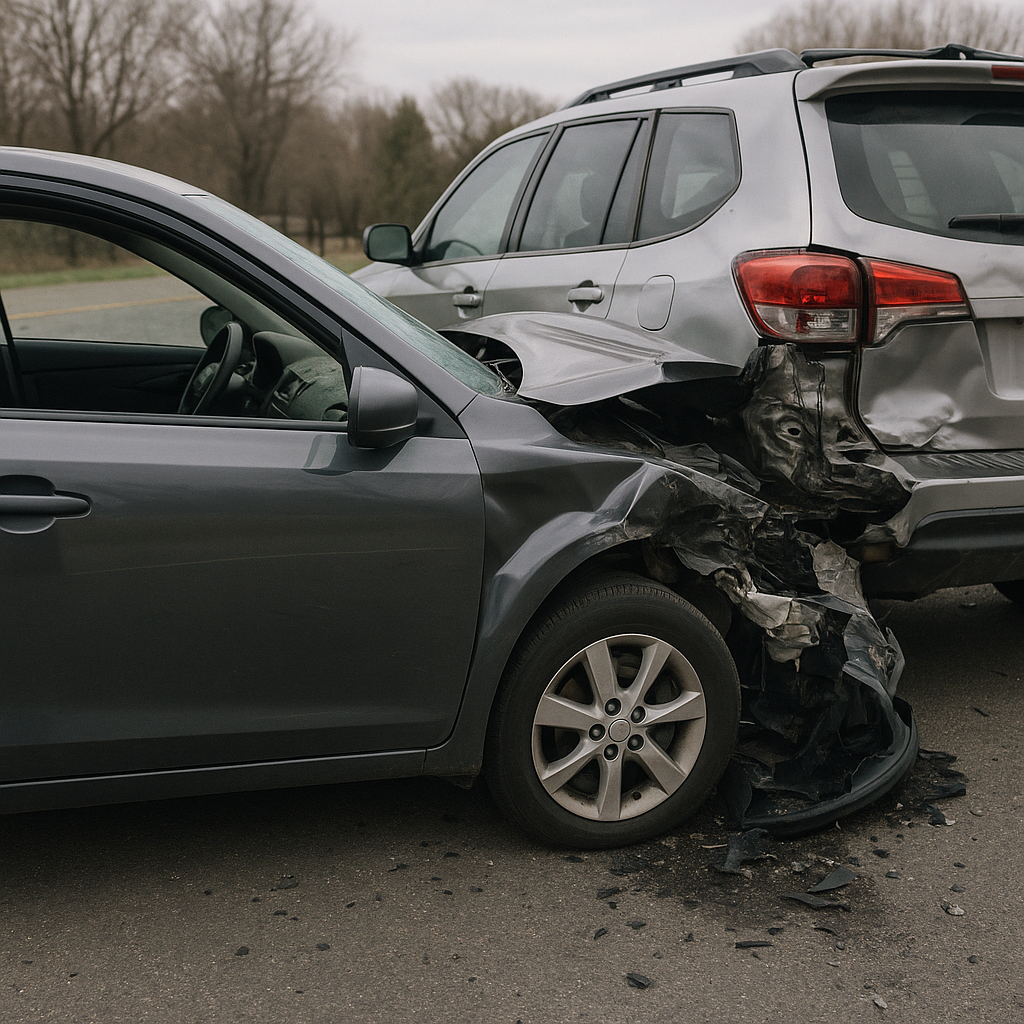
Feeling Unsafe in Your Own Car After a Crash
Experiencing a motor vehicle accident, especially one involving a truck, can have significant emotional consequences. Long after any visible injuries have healed, it is common for people to feel unsafe in their own car after a crash. This response is a normal part of the healing process, though it can be troubling to navigate. Understanding why these feelings develop, as well as how they might change over time, is a helpful first step for anyone who finds themselves unsettled by daily drives or even the sight of their vehicle.
Overview of Shock and Trauma After Truck Accidents
Any accident, but particularly those involving large vehicles such as trucks, can be deeply unsettling. Immediately following a crash, many people experience an initial period of shock. This state is characterized by emotional numbness, confusion, and a sense that what has happened is unreal. For some, these feelings fade quickly. For others, they can persist and evolve into a broader sense of anxiety, especially when getting back behind the wheel.
Psychological trauma from motor vehicle accidents is not uncommon. Many find themselves reliving the experience in their minds or encountering physical reactions such as a rapid heartbeat or sweating at the thought of driving. The loss of the sense of security once associated with one’s own car can be especially distressing, making everyday activities feel unpredictable or threatening.
Why the Body and Mind React This Way
The reaction of feeling unsafe in a car after a crash is deeply rooted in the body’s instinctive response to perceived danger. When a traumatic event occurs, the brain’s protective mechanisms are activated. This includes the release of hormones such as adrenaline and cortisol, which prepare the body to respond to immediate threats—commonly known as the “fight, flight, or freeze” response.
Following the initial event, the mind works to process and make sense of what happened. However, because the incident was so sudden and severe, it can become challenging to return to an ordinary perception of safety. The car, once a routine and familiar space, may now be associated with vulnerability or fear. This learned association can persist, leading to ongoing discomfort or avoidance of driving or traveling in vehicles.
Common Reactions People Experience
People who feel unsafe in their car after a crash may notice a range of thoughts, emotions, and physical sensations. Common reactions can include:
– Anxiety or panic: Racing thoughts, unease, or intense worry when thinking about or preparing to drive.
– Avoidance: Reluctance or refusal to drive, take certain routes, or travel in particular conditions (such as at night or during bad weather).
– Physical tension: Muscle tightness, headaches, or stomach aches when in or near the car.
– Hypervigilance: Being unusually alert or startled by normal sounds and movements while driving.
– Difficulty concentrating: Trouble focusing on the road due to intrusive memories or concerns about safety.
– Mood changes: Irritability, sadness, or withdrawal from social activities that involve travel.
It’s important to recognize that these reactions are common and not a sign of weakness. They are part of the brain and body’s response to a distressing experience and serve as protective mechanisms, even if they sometimes feel overwhelming or disruptive.
How These Reactions Can Change Over Time
For most people, the feelings of being unsafe in a car after a crash gradually diminish. In the days and weeks following an accident, initial reactions tend to be at their strongest. As time goes on, repeated safe experiences—such as short, uneventful drives—can help the mind recalibrate its perception of risk.
However, the process of adjustment differs for everyone. Some individuals may notice that their anxiety lessens naturally, while others find that certain triggers, such as driving past the scene of the accident or hearing loud noises, continue to evoke discomfort. In some cases, these reactions can persist for several months or longer, especially if the accident was particularly severe or a sense of control was lost during the incident.
For certain individuals, lingering fears might interfere with daily life. This could include persistent avoidance of driving or using a car, or emotional distress that doesn’t seem to lessen over time. In these instances, establishing new routines and slowly reintroducing driving under comfortable circumstances can help restore a sense of normalcy. Support from friends, family, and, when desired, professional resources, may also be beneficial.
Closing Reassurance Paragraph
Adjusting to life after a motor vehicle accident, particularly the task of regaining confidence in your own car, is a gradual process. Feeling unsafe is a valid and understandable reaction to a distressing event. Over time, most individuals notice a decrease in their anxiety and are able to reclaim a sense of safety on the road. If challenges persist, it is common and reasonable to seek additional support. Each person’s experience is unique, and the journey toward feeling comfortable in a car again can unfold at its own pace.