
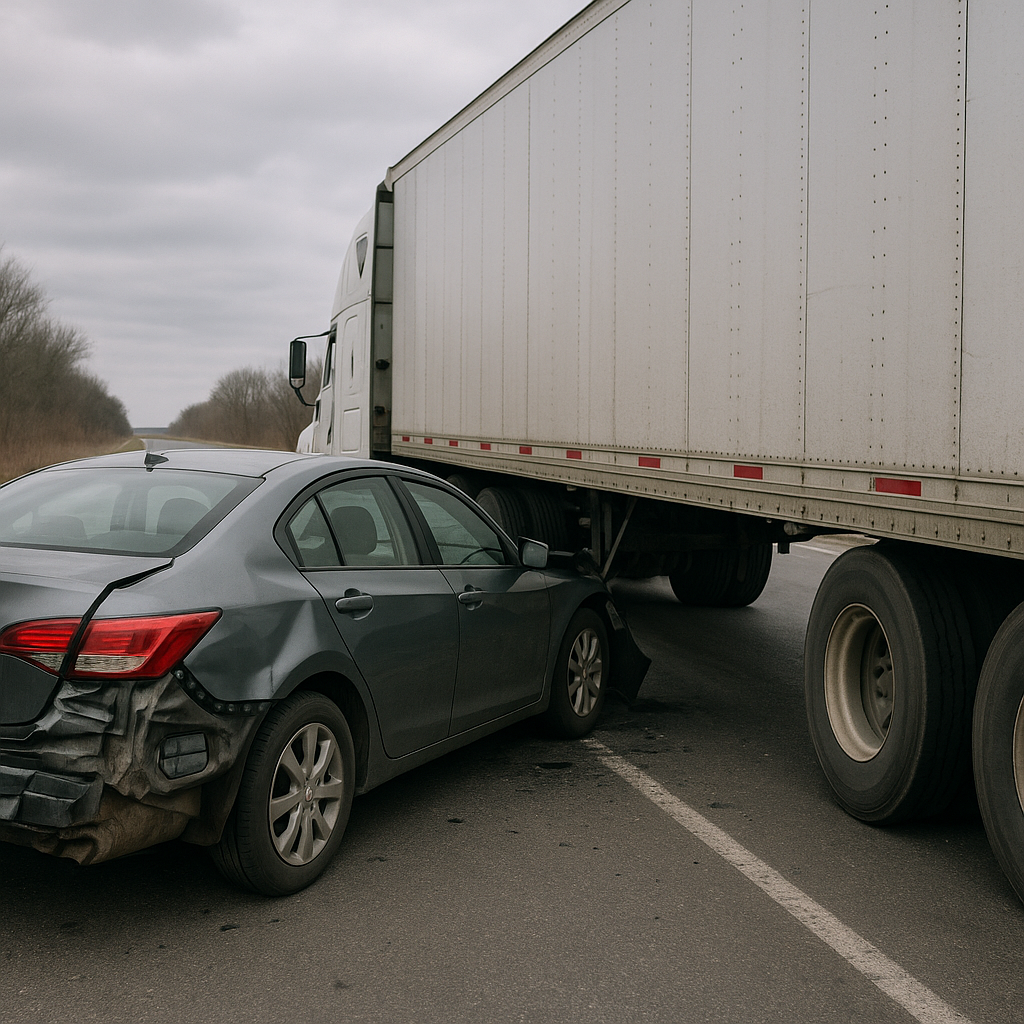
Feeling Powerless After a Semi Truck Crash
A collision involving a semi truck can change lives in a matter of moments. Many people walk away from such an experience with a whirl of emotions, but one of the most common—and often most difficult—feelings to process is a sense of powerlessness. Understanding why these feelings arise and how they may shift over time can be an important step in the journey toward recovery.
Overview of Shock and Trauma After Truck Accidents
Experiencing a semi truck crash is a profoundly unsettling event. Besides the loud sounds, sudden movement, and potential for physical injury, the sheer size of a semi truck can make the incident feel overwhelming and frightening. In the immediate aftermath of a crash, many individuals find themselves operating on autopilot, responding to instructions or simply trying to process what has just occurred.
Shock is a common initial response. This isn’t only a medical term but also an emotional reaction, characterized by numbness, confusion, or disbelief. Trauma, meanwhile, is the body and mind’s response to events that feel dangerous, life-threatening, or simply out of one’s control. Even after the initial crisis has passed, trauma can linger, influencing thoughts, emotions, and behaviors in unexpected ways.
It is not uncommon for individuals to grapple with a profound sense of powerlessness after a semi truck crash. Unlike everyday mishaps, major road accidents can remind people that, despite their best efforts, not all factors in life are within their control. This confrontation with vulnerability can be deeply unsettling.
Why the Body and Mind React This Way
The human body is hardwired to respond to danger. When a sudden, extreme event like a semi truck crash occurs, the body and mind spring into protective action. These responses, governed by both physical instincts and psychological patterns, can feel intense and beyond one’s control.
During and immediately after a traumatic event, the brain releases a cascade of stress hormones—adrenaline and cortisol, among others. These chemicals prepare the body to fight, flee, or freeze. While these responses can be lifesaving in the moment, they can also leave lasting effects long after the immediate danger has passed.
From a psychological perspective, trauma can disrupt a person’s fundamental assumptions about safety, predictability, and personal agency. Previously familiar activities—such as driving or riding in a vehicle—may now feel risky or provoke anxiety. This disruption can foster a sense of helplessness or a belief that one cannot influence what happens next.
Common Reactions People Experience
The sense of feeling “powerless after a semi truck crash” can manifest in various ways, both emotional and physical. Each individual’s response is unique, but there are several reactions that people often share:
– Emotional Numbness: Some may feel detached from their surroundings or as if they are simply going through the motions. This can be the mind’s way of protecting itself from overwhelming feelings.
– Intrusive Thoughts: Unexpected memories, images, or nightmares about the crash may intrude into daily life. These can be distressing and may reinforce the sense that the event is out of one’s control.
– Hypervigilance: An enhanced state of alertness, where minor noises or sights may trigger anxiety. This stems from the body’s desire to remain on guard for any further threats.
– Avoidance: Some people may avoid situations or places that remind them of the accident, such as highways or even riding in a car.
– Sadness or Irritability: Powerful emotions can arise, including sadness, frustration, or bursts of anger, often directed inward or outward without a clear cause.
– Physical Symptoms: Headaches, fatigue, muscle tension, or changes in appetite are not uncommon. These can be the body’s way of coping with stress.
These reactions are not signs of weakness. Rather, they illustrate the complex ways humans respond to trauma—especially when left feeling powerless in the face of such a significant event.
How These Reactions Can Change Over Time
For most people, the intensity of these feelings will gradually diminish as time passes. The mind and body are resilient, and it is not unusual for reactions to evolve. However, the path to adjustment is rarely straightforward, and the process is deeply personal.
– Short-Term (First days to weeks): Shock, numbness, and disbelief are often most pronounced. During this period, everyday activities may require extra effort and focus.
– Intermediate Phase (Weeks to a few months): Memories may become less intrusive, and routines may begin to reestablish themselves. Some may find themselves reflecting on “what if” scenarios, trying to make sense of what happened.
– Long-Term: Over time, most individuals regain their sense of agency and find new ways to approach challenges. However, reminders of the crash may occasionally resurface, especially during anniversaries or when encountering similar situations.
It is important to recognize that some reactions may persist and fluctuate. Certain triggers—a passing truck, a particular stretch of road, or a loud noise—can briefly rekindle intense emotions. For others, heightened sensitivity or a sense of vulnerability may linger.
These changes are common following traumatic events and do not necessarily indicate lasting harm. However, if feelings of powerlessness after a semi truck crash dominate thoughts or significantly impair daily life, it may be helpful to seek further understanding from trusted resources.
Closing Reassurance
Feeling powerless after a semi truck crash is a human response to an extraordinary event. Shock and trauma can temporarily reshape thoughts, emotions, and behaviors, and these changes follow a natural process that varies from person to person. It is neither unusual nor a reflection of personal failure to experience distress or vulnerability following such an incident. Over time, many find that their reactions adjust and gradually become more manageable. Each person’s experience is unique, and patience with oneself during recovery is both understandable and justified.