
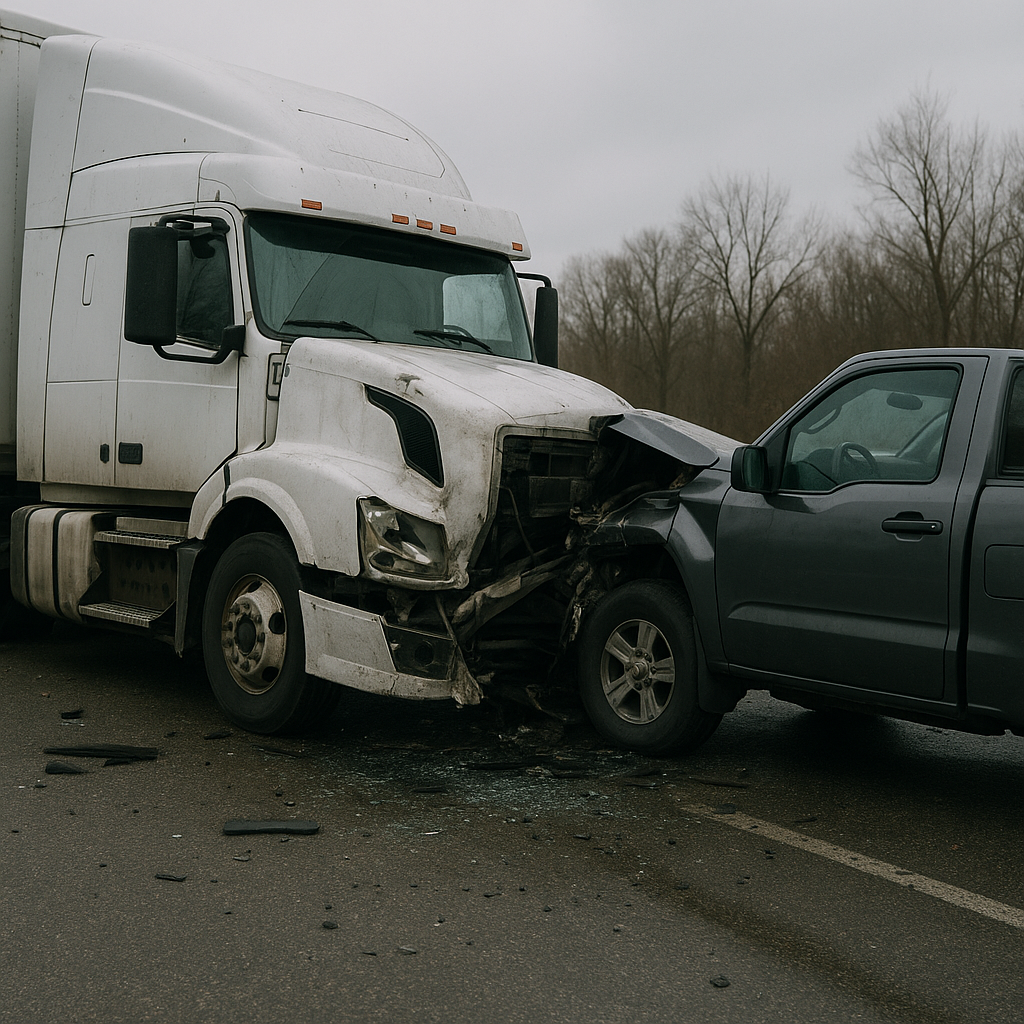
Emotional Shutdown After Truck Accidents
Overview of Shock and Trauma After Truck Accidents
Experiencing a truck accident can be an overwhelming event, both physically and emotionally. The sheer size and power of trucks on the road mean that even a brief collision can lead to a cascade of intense experiences. After such an incident, individuals might find themselves facing not only immediate physical injuries but also unexpected emotional effects. One of the more complex psychological responses is known as “emotional shutdown.”
Emotional shutdown truck accident responses typically refer to a period of numbness or emotional withdrawal that follows a traumatic experience. This state can be confusing and distressing for those who experience it, as well as for their loved ones who observe the change. Emotional shutdown is part of the broader shock and trauma response that the body and mind may undergo when confronted with a major, distressing event.
In the aftermath of a truck accident, people may process events differently and at varying speeds. Some might immediately sense the weight of the trauma, while others may not feel much at all in the moment or even for days afterward. This variability is a normal aspect of how humans cope with high-stress situations.
Why the Body and Mind React This Way
It can be challenging to comprehend the mind’s intricate response to trauma, especially when it leads to emotional shutdown. When a person is confronted with a situation that is suddenly threatening, unpredictable, or intense—such as a truck crash—the brain and body employ built-in strategies for survival. One of these responses is sometimes called “fight, flight, or freeze.”
In the intense moments during and after a crash, stress hormones such as adrenaline and cortisol surge. These chemicals help the body react to immediate danger, enhancing alertness and physical readiness. However, alongside these high-alert responses is another, more subtle reaction: emotional numbness or withdrawal. This is sometimes referred to as dissociation.
This emotional blunting is not just a mental phenomenon. It represents a temporary “pause” put in place by the brain to shield a person from feelings or memories that may be too overwhelming to process all at once. In evolutionary terms, emotional shutdown can allow an individual to maintain functioning in the face of intense stress, at least until a safer or more stable environment is restored.
Common Reactions People Experience
Emotional shutdown after a truck accident can manifest in various ways. While each person’s experience is unique, some of the most frequently reported responses include:
– Numbness or Detachment: Individuals may feel emotionally flat or disconnected from the situation. It can feel as though what happened is distant or unreal, even if evidence of the incident is all around.
– Difficulty Expressing Feelings: Some people find themselves unable to cry, get angry, or feel sadness in the aftermath of the accident, despite knowing that these might be “expected” reactions.
– Mental Fog: Concentration and memory can become challenging. Focusing on daily tasks may seem more difficult than usual.
– Reduced Social Interaction: People often withdraw from family and friends, avoiding conversations or activities they would normally enjoy.
– Physical Symptoms: Fatigue, changes in sleep patterns, and even aches or pains can sometimes accompany emotional shutdown.
– Loss of Interest: Hobbies or activities that once brought pleasure may no longer seem appealing or worthwhile.
These reactions are not voluntary. Instead, they reflect the brain’s attempt to adapt to an extreme and distressing situation.
How These Reactions Can Change Over Time
The process of recovering from the emotional impact of a truck accident is highly individual. For some, emotional shutdown begins to soften within a few days or weeks, especially as the immediate sense of danger fades and support from loved ones becomes available. For others, emotional numbing can linger for longer periods, sometimes waxing and waning as new memories or reminders of the event arise.
It is common for emotional responses to shift as time passes. For example, initial numbness might gradually give way to other feelings such as anger, sadness, or anxiety as the mind processes what has happened. For some, certain situations—like being near trucks or hearing loud noises—may temporarily trigger renewed shutdown or anxious feelings.
Additionally, changes in daily routine, sleep disruption, and even minor injuries sustained during the accident can subtly influence the trajectory of emotional recovery. The way an individual’s environment, support network, and personal coping skills interact will also play a role in how quickly and smoothly the emotional shutdown resolves.
For many people, the process is not linear. Days of relative calm might be followed by unexpected waves of emotion or periods of renewed withdrawal. This unpredictability can sometimes be unsettling, but it is a normal part of readjustment after trauma.
Closing Reassurance
Experiencing emotional shutdown after a truck accident is a recognized and not uncommon response to trauma. Just as the body needs time to recover from physical injuries, the mind also requires time and space to process intense or distressing events. Emotional numbing, withdrawal, or other changes in mood and behavior can be temporary ways in which the brain manages overwhelming feelings.
While the pattern and duration of these reactions can differ among individuals, it is important to remember that these responses are considered normal under the circumstances. Understanding that such reactions are shared by many can be a helpful step for those navigating the aftermath of a truck accident. With time and, in some cases, appropriate support, the initial sense of shutdown typically shifts, allowing individuals to find a new equilibrium as they move forward from the experience.