
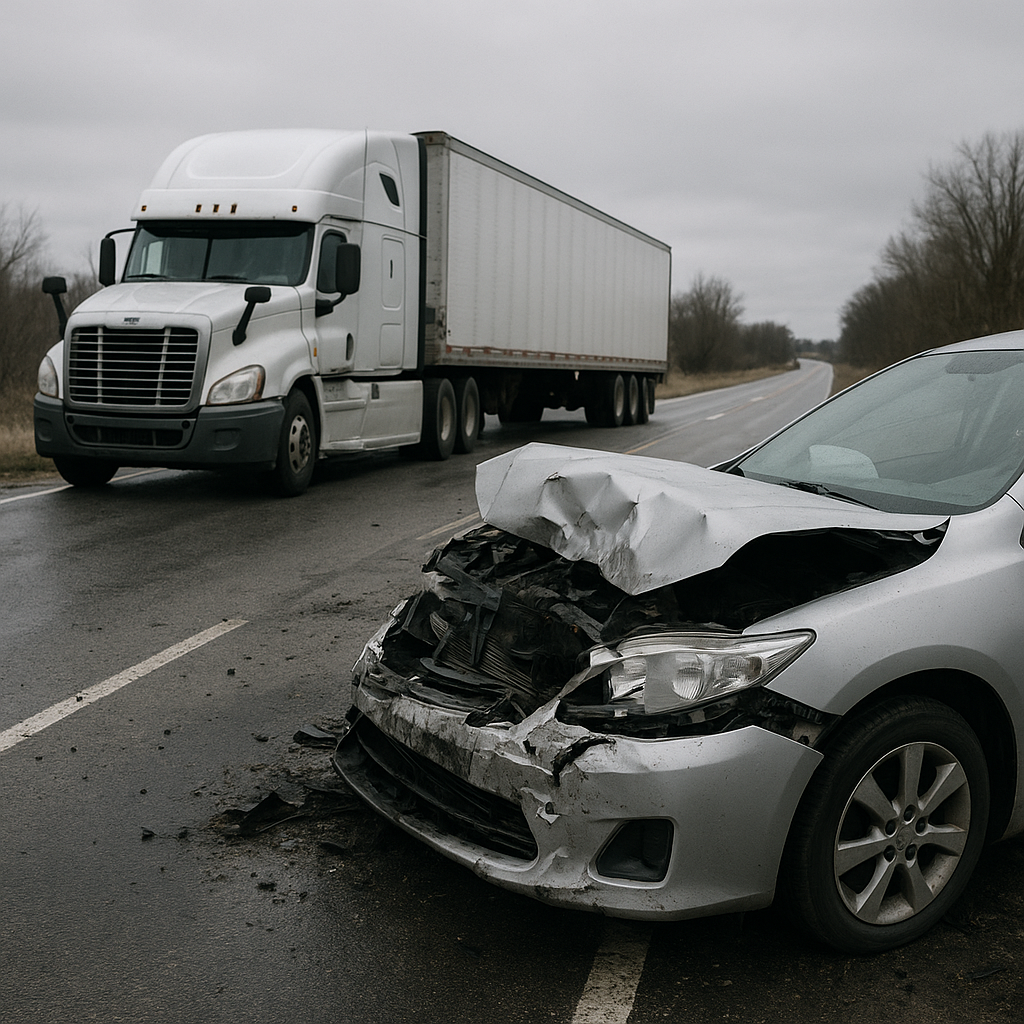
Feeling Unsafe After a Semi Truck Crash
A collision involving a semi truck is often a jarring and disconcerting event. These large vehicles command presence on the road, and an accident with one can leave long-lasting effects that go beyond the immediate physical damages. It is common for people to report “feeling unsafe after semi truck crash” scenarios, sometimes for weeks, months, or even longer periods. Understanding the underlying reasons for these emotions, as well as the typical progression of post-accident feelings, can be an important step toward regaining a sense of stability.
Overview of Shock and Trauma After Truck Accidents
Every year, thousands of people experience accidents with semi trucks. The aftermath of such a crash often involves far more than addressing vehicle damage or physical injuries. Many individuals find themselves coping with a profound sense of vulnerability and unease, even if the accident was not catastrophic.
Shock is a frequent initial response. It is the body and mind’s way of processing an overwhelming event. Trauma, on the other hand, can develop in the days, weeks, or months after the accident. Trauma is a broad term that describes the lingering emotional, cognitive, and sometimes physical responses that arise after a distressing experience.
Both shock and trauma can have a significant impact on a person’s daily life, relationships, sleep, and perception of safety. For many people, “feeling unsafe after semi truck crash” is less about the physical environment and more about the invisible changes that occur internally following such a high-intensity incident.
Why the Body and Mind React This Way
The human body and mind are both equipped with various mechanisms to handle danger or the prospect of harm. When faced with a sudden, high-impact event like a truck accident, several things happen automatically.
Adrenaline is released, heightening alertness and priming the body to react quickly. This is sometimes called the “fight, flight, or freeze” response. The mind, meanwhile, attempts to rapidly process and make sense of what has happened. In the immediate aftermath, this may feel like numbness, confusion, or even detachment from reality.
Longer term, the mind might replay the event, searching for explanations or reassurance that it will not happen again. These natural defenses are designed to keep people safe, but they can also result in enduring feelings of unsafety or hyper-vigilance, even after the actual danger has passed.
Common Reactions People Experience
After a semi truck crash, it is not unusual for individuals to experience a variety of emotional and physical reactions. These might include:
– Heightened Anxiety: Many people feel constantly on edge, especially when driving or riding in a vehicle. Even the simple act of passing or approaching a large truck may trigger nervousness or fear.
– Difficulty Sleeping: Thoughts about the accident may surface when trying to rest, leading to difficulty falling or staying asleep.
– Irritability or Mood Swings: Emotions may become more intense or unpredictable, influenced by memories or reminders of the crash.
– Avoidance Behaviors: Some individuals may try to avoid driving altogether, or take significant detours to avoid highways or routes frequented by trucks.
– Physical Symptoms: Headaches, stomach discomfort, muscle tension, and fatigue are all common physical expressions of emotional distress.
– Trouble Concentrating: The mind may feel scattered or preoccupied with worries about safety.
These reactions are normal and are considered part of the process of recovering from a stressful experience. Many people find that their sense of unease is particularly strong in the days and weeks immediately following the accident.
How These Reactions Can Change Over Time
The way people feel in the aftermath of an accident often changes as time passes. Right after the crash, emotions might be intense and unpredictable. Some individuals find these feelings begin to diminish in the weeks following the incident, particularly as they regain routines and build up new experiences without harm.
Others may notice new patterns emerging. For example, initial reluctance to drive might shift into increased caution, or periodic nervousness in certain traffic conditions. Some reactions may gradually fade while others—such as occasional flashbacks or sudden worry when hearing sirens—might linger.
In some cases, feelings of being unsafe may become more pronounced or persist longer than expected. This does not indicate a personal weakness; rather, it reflects the deep and individual impact such experiences can have. Life changes, anniversaries of the crash, or exposure to related events (like hearing about another truck accident) may also temporarily intensify reactions.
With time, many people find their sense of threat decreases, and ordinary activities can resume with fewer interruptions. Others may require a more gradual process before regaining a sense of normalcy. The timeline and nature of recovery can differ widely from person to person, depending on a variety of personal and situational factors.
Closing Reassurance Paragraph
Experiencing ongoing feelings of vulnerability is a common response following a semi truck crash. It is a natural part of the body and mind’s self-protection process, rather than an indicator of something being wrong. Many people travel this path of adjustment at their own pace, sometimes with steps forward and occasional setbacks. Knowing that these reactions are normal and frequently encountered by others in similar situations can provide a measure of comfort during an otherwise unsettled time. The process of adaptation after a traumatic event is as unique as each individual, and changes in feelings of safety often unfold gradually over time.