
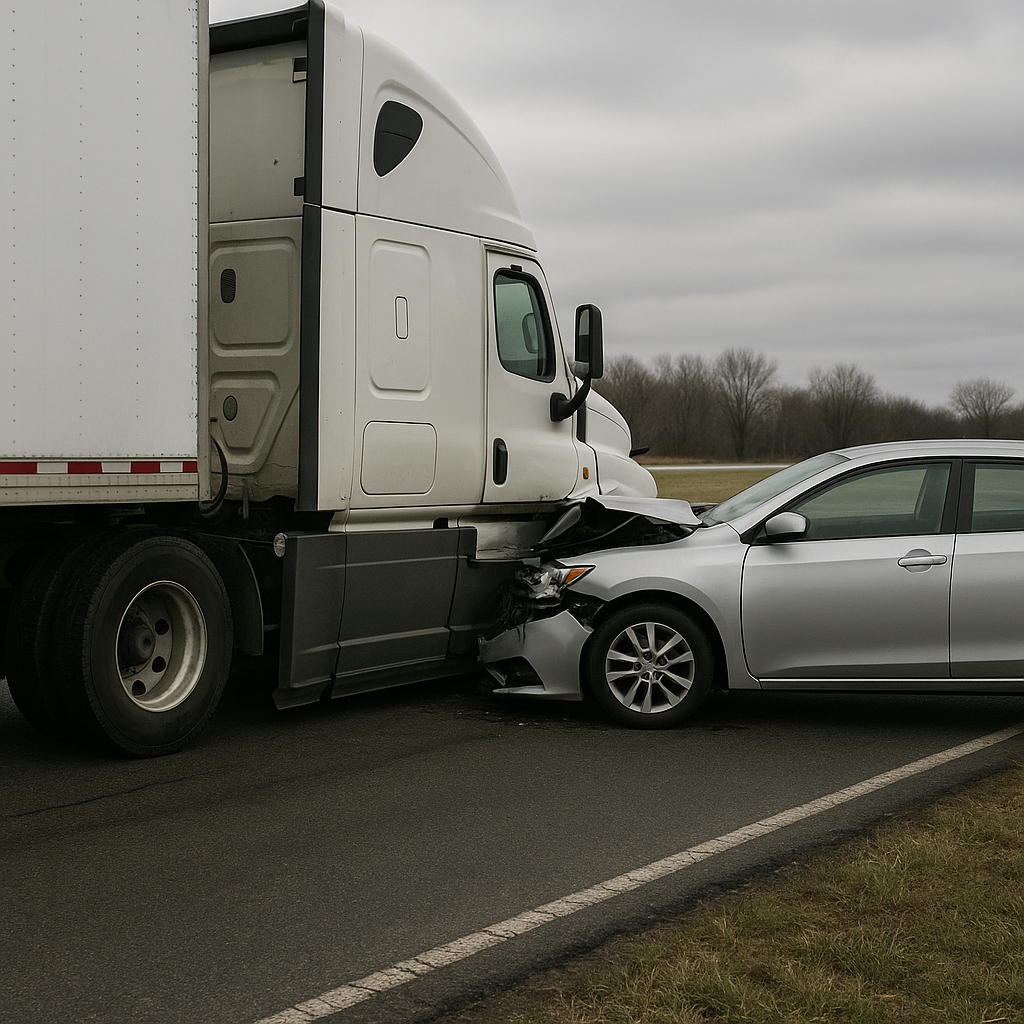
Why Heart Racing Happens After Truck Accidents
Truck accidents are significant events that can affect people physically, mentally, and emotionally. One of the most common immediate reactions is a racing heartbeat—medically referred to as tachycardia. Understanding why heart racing happens after truck accidents can help people recognize their natural responses and manage expectations during recovery.
Overview of Shock and Trauma After Truck Accidents
Experiencing a truck accident is a highly stressful and overwhelming event. The human body, built for survival, reacts almost instantly to protect itself from harm. This reaction is often referred to as “shock,” but it’s more than just an emotional state—it’s a complex set of physical and psychological responses to trauma.
Shock after a truck accident can take many forms. There may be confusion, disorientation, and a rapid heartbeat. The mind may replay the event or struggle to process what happened. Physically, muscles tense, breathing quickens, and the heart pumps faster. These changes are automatic and intended to help a person handle danger.
Why the Body and Mind React This Way
The body’s rapid response to a traumatic event like a truck accident is controlled by the autonomic nervous system—particularly the “fight-or-flight” response. When the brain senses a threat, it sends signals to the body to prepare for quick action. This process involves several key steps:
– Release of adrenaline: Adrenaline, sometimes called the “stress hormone,” enters the bloodstream almost instantly. It boosts the heart rate and increases blood flow to essential muscles.
– Increased heart rate: The heart races to supply oxygen and nutrients quickly, helping the body either to move or to protect itself.
– Breathing rate increases: Faster breathing brings more oxygen into the body for energy.
– Heightened awareness: The mind becomes alert, focused on immediate survival.
This automatic sequence is helpful in dangerous situations, but it can feel uncomfortable, especially if the heart continues to race after the danger has passed. For those involved in a truck accident, these physical reactions are a normal part of the body’s emergency response, even if there are no outward injuries.
Common Reactions People Experience
“Heart racing after truck accident” is just one of many responses individuals may notice after a stressful event. Experiences can differ from person to person, but common reactions include:
– Rapid heartbeat: The most prominent sign of the body’s stress response.
– Shortness of breath: Breathing may feel shallow or faster than usual.
– Trembling or shaking: Muscles tense up and may twitch or shake.
– Sweating: The body may sweat more as part of its attempt to cool down.
– Nausea or stomach discomfort: Stress can affect digestion and cause an unsettled stomach.
– Lightheadedness: A result of increased adrenaline and changes in blood flow.
– Difficulty concentrating: The mind may feel foggy, preoccupied, or distracted.
Emotionally, people may feel anxious, irritable, or experience sudden mood swings. Nightmares, trouble sleeping, and replaying the accident in the mind are also possible. In many case, these reactions are temporary and part of the body’s natural process of adjusting after a shock.
How These Reactions Can Change Over Time
For most individuals, the intense physical and emotional reactions immediately after a truck accident tend to decrease as time passes. The adrenaline levels in the body return to normal, and the nervous system shifts away from high alert.
– Short-term effects: In the minutes and hours following an accident, heart racing, muscle tension, and heightened alertness are common.
– First few days: Physical symptoms may gradually subside. Emotional responses, like persistent thoughts about the accident or trouble sleeping, might continue for a short while.
– Longer-term adjustment: As the days or weeks go by, many people notice symptoms easing. Memories of the accident may remain, but the physical stress response often becomes less intense with time.
It’s important to note that everyone recovers differently. For some, reminders of the accident—such as seeing trucks or driving past the scene—can briefly trigger a racing heart or anxious feeling, even weeks later. This is a natural part of the mind associating certain sights or sounds with the original event.
If symptoms—including “heart racing after truck accident”—persist or begin to interfere with daily life, it might be helpful for individuals to seek guidance from a trusted health professional who can provide support and information.
Closing Reassurance Paragraph
Experiencing a racing heart after a truck accident is a common and expected bodily response to trauma and shock. These reactions stem from the body’s built-in efforts to protect and prepare itself in the face of sudden danger. While the intensity of these feelings can be unsettling, they generally fade with time as the mind and body recover from the experience. Understanding the reasons behind these responses can provide a sense of reassurance and help people navigate the aftermath of such events with greater awareness and self-compassion.