
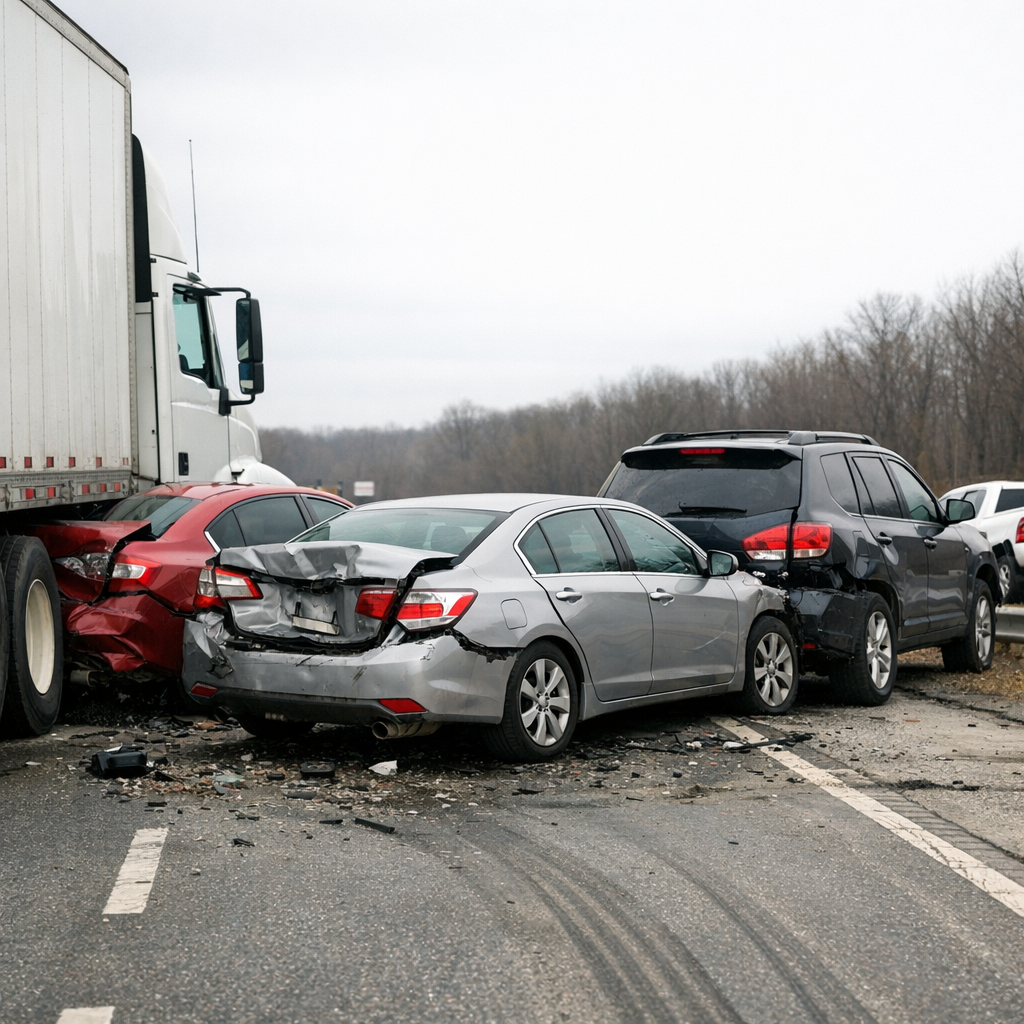
What is a Secondary Collision in a Truck Accident
Introduction to the Topic and Why it Matters in Truck Accidents
Truck accidents pose unique risks due to the size and weight of the vehicles involved. One important concept in truck accident safety is the “secondary collision.” Understanding what a secondary collision is, and why it matters, can help individuals involved in these accidents take preventive steps and make informed decisions moving forward. With truck accidents often involving multiple vehicles or occurring on high-traffic roads, being aware of secondary collisions is vital for safety and recovery.
Key Information Related to the Topic
A secondary collision in a truck accident refers to any additional crash that happens after the initial impact. While the first collision sets off the chain of events, a secondary collision might involve other vehicles, objects, or even result from the movements of the original vehicles involved. Secondary collisions can significantly increase the complexity and seriousness of a crash, affecting more people and causing additional damage.
Important Factors, Causes, or Details
Several factors often contribute to secondary collisions in truck accidents, including:
– Traffic Density: High traffic can cause a chain reaction, leading to more vehicles being involved.
– Reduced Visibility: Dust, debris, or obstructions after the initial crash can make it harder for other drivers to react in time.
– Vehicle Position: Trucks blocking lanes or hazard areas may create obstacles that other drivers can’t avoid.
– Driver Distraction or Panic: Drivers near the initial scene may brake suddenly or make unpredictable maneuvers, increasing the chances of further impacts.
Potential Impacts or Outcomes
Secondary collisions can have several outcomes, such as:
– Involvement of additional vehicles and occupants
– Greater property damage
– Increased risk of injury or more severe injuries
– Added difficulty for emergency response and clearance
These impacts highlight the importance of caution and quick, safe reactions after an initial truck accident.
General Considerations After a Truck Accident
After a truck accident, it is crucial to stay calm and prioritize safety. If possible, move to a safe area away from traffic to reduce exposure to further collisions. Turn on hazard lights to alert other drivers. It’s advisable to check yourself and others for injuries and call for emergency assistance if needed. Avoid making any statements about fault at the scene and gather any information safely, if possible.
Awareness of Options and Support Available After an Accident
People affected by a secondary collision truck accident may explore several sources of support. These can include reaching out to insurance providers, seeking medical attention, and, if necessary, consulting with medical, legal, or professional advisors for guidance. Support resources are available to help individuals manage the physical, emotional, and practical aftermath of such accidents.
Closing Informational Summary
Understanding what a secondary collision in a truck accident is—and its potential risks—can help people prepare and respond more effectively if ever faced with such a scenario. Being cautious, seeking appropriate support, and staying informed can make a significant difference in the aftermath of an accident. While truck accidents and secondary collisions can be overwhelming, taking steady and informed steps helps support safety and recovery.