
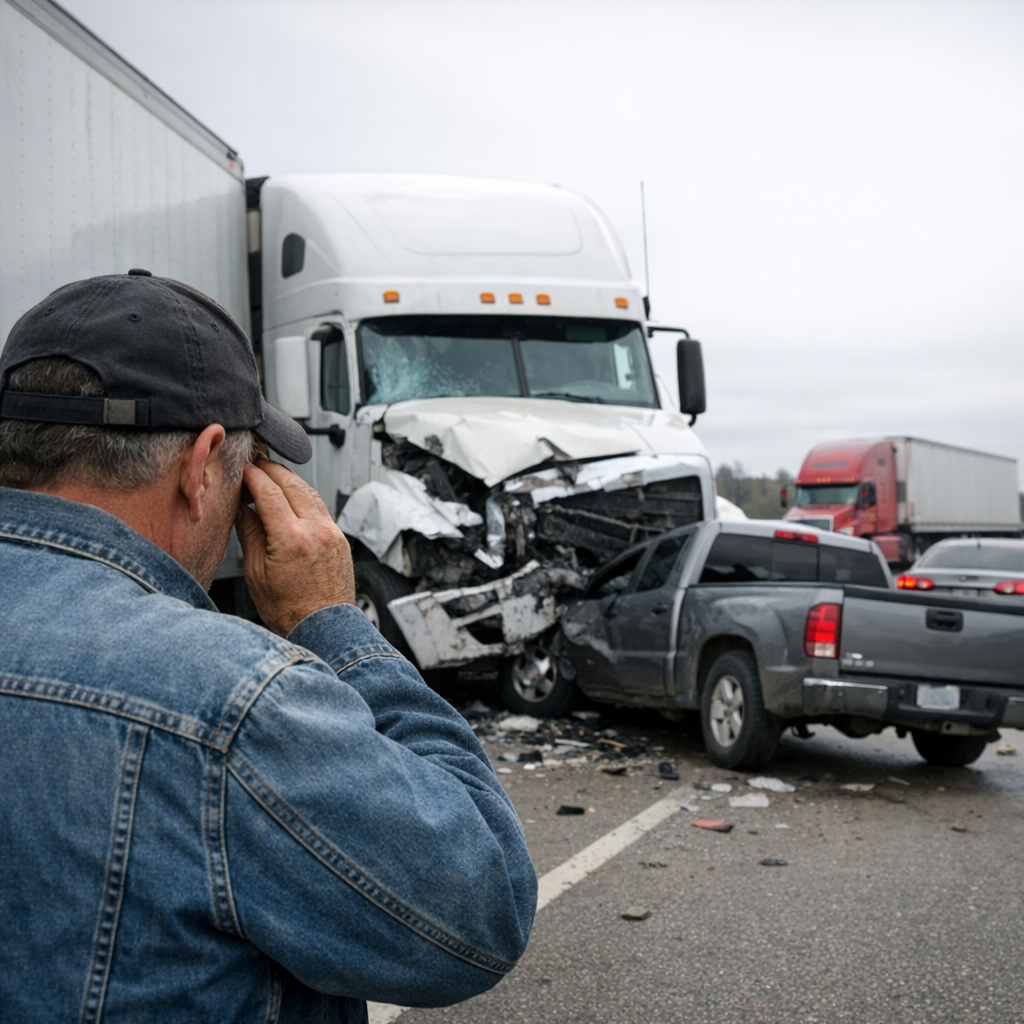
Why Vision Problems Lead to Truck Crashes
Introduction to the Topic and Why It Matters in Truck Accidents
Vision is one of the most critical senses for anyone operating a vehicle, especially truck drivers. Given the size and weight of commercial trucks, a driver’s ability to see clearly is essential for keeping themselves and others safe on the road. Unfortunately, vision problems can increase the risk of a truck driver vision accident, leading to severe consequences. Understanding this issue is important for drivers, employers, and anyone using the road alongside large vehicles.
Key Information Related to the Topic
Truck driving involves long hours, constantly shifting road conditions, and the need to make fast decisions. Clear vision is necessary for reading road signs, judging distances, and spotting hazards. Even minor vision problems, if left unaddressed, may compromise a driver’s ability to perform these basic but crucial tasks.
Important Factors, Causes, or Details
Several vision-related factors can contribute to truck crashes:
– Uncorrected Vision Problems: Some truck drivers may have untreated nearsightedness, farsightedness, or astigmatism.
– Age-Related Vision Decline: As drivers age, their vision can deteriorate, affecting reaction times and judgment.
– Fatigue and Eye Strain: Extended shifts can lead to eye tiredness, reducing visual accuracy.
– Glare and Poor Weather: Sun glare, rain, fog, or nighttime driving can further challenge drivers with existing vision difficulties.
Potential Impacts or Outcomes
When vision is impaired, a truck driver may have trouble seeing vehicles in blind spots, interpreting traffic signals, or recognizing hazards in time to react. This can lead to lane departures, rear-end collisions, or accidents at intersections. Beyond physical injuries, such incidents can result in emotional stress, vehicle damage, and financial impacts for everyone involved.
General Considerations After a Truck Accident
After a truck accident, ensuring everyone’s immediate safety and seeking medical care if needed are top priorities. Collecting information about the accident—such as details about what happened, witness statements, and potential contributing factors (including vision-related issues)—is also important.
Awareness of Options and Support Available After an Accident
Anyone affected by a truck driver vision accident may choose to speak with medical professionals, insurance representatives, or other experts. There are resources available for those seeking advice or support, ranging from healthcare providers to legal professionals who understand commercial vehicle accidents.
Closing Informational Summary
Vision problems can play a significant role in truck accidents due to the complex demands of commercial driving. Addressing vision issues and taking preventive steps benefits both truck drivers and road users. By understanding the risks and knowing what resources are available, individuals can make informed decisions and move forward with confidence after a truck-related incident.