
Why do I feel like I’ll never feel normal again
After experiencing a severe accident, many people quietly wonder, “Why do I feel like I’ll never feel normal again?” This question, often asked in private moments, is both deeply personal and surprisingly common. The days, weeks, and even months following a traumatic event can bring unfamiliar emotions and sensations that make it seem as though a return to “normal” is out of reach. This article explores why this question surfaces, what it may really mean, and some of the common misunderstandings that surround it.
Why this question is common after severe accidents
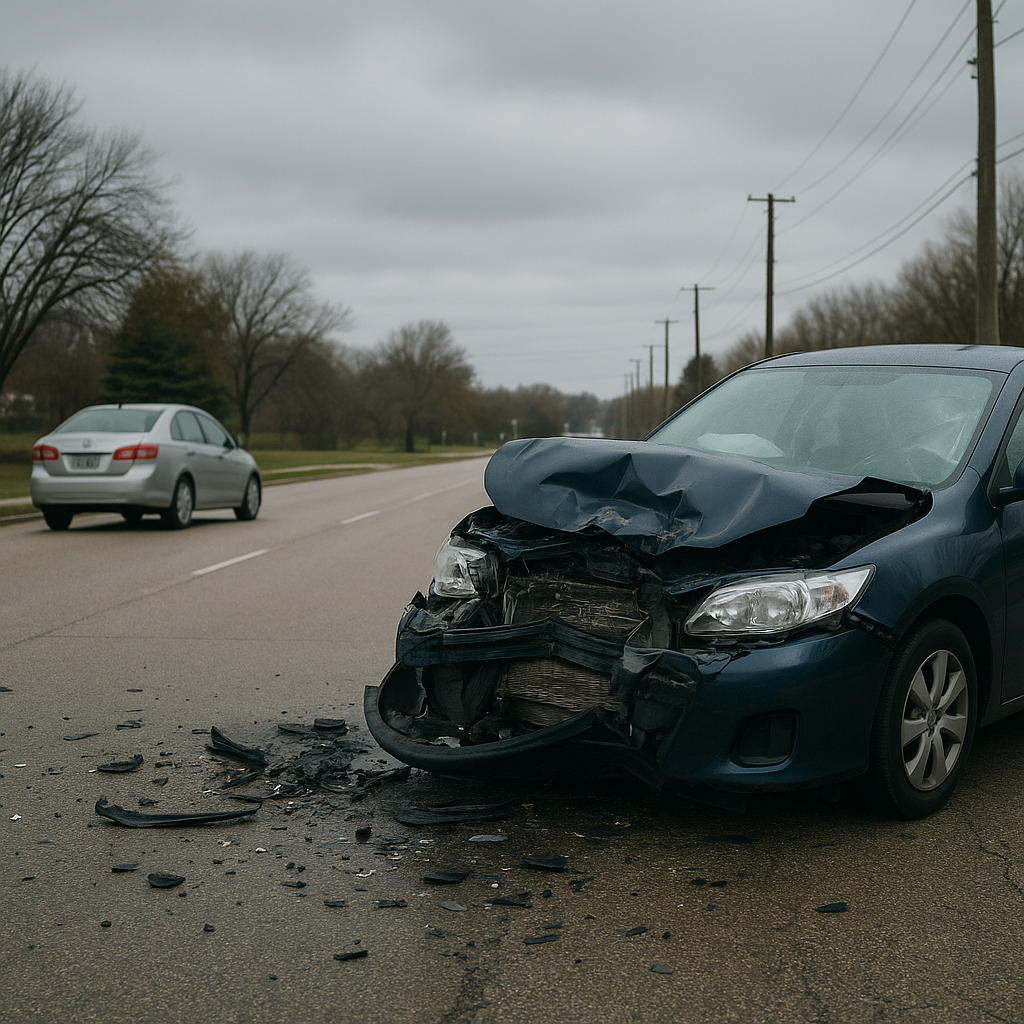
An accident—whether it’s a car crash, a fall, or another traumatic incident—has the power to disrupt life in profound ways. The aftermath often includes physical pain, emotional turmoil, and an abrupt break from routine. People who have gone through a sudden injury or trauma frequently face changes in their bodies and minds. Sleep may become difficult. Familiar tasks can suddenly feel exhausting or overwhelming. Even in the absence of visible injury, the effect on one’s sense of self can be significant.
For those who find themselves searching phrases like “never feel normal again after crash,” it often reflects a yearning for the comfort and predictability that existed before the accident. There is a longing to recapture energy, confidence, and emotional stability. The question arises not just from pain, but from a sense of lost control—over one’s body, mood, and daily life. When recovery takes longer than expected, or when unexpected symptoms linger, it’s natural for doubts to emerge about whether things will ever “go back to the way they were.”
Clear neutral explanation
The experience of feeling like you’ll never feel normal again after a crash can be understood through both physical and psychological lenses. Physically, trauma can cause healing and adjustment processes which can last weeks, months, or even longer. The body may respond to injury with pain, stiffness, or fatigue—sometimes persisting even after visible wounds have healed. The body’s nervous system also reacts to trauma, sometimes leading to ongoing symptoms such as heightened awareness, startle responses, or trouble relaxing.
Psychologically, trauma can leave lasting impressions. The mind naturally tries to process what happened, which may result in flashbacks, anxiety, or mood changes. The experience of “not feeling normal” can include emotional numbness, detachment, irritability, or sadness. Daily routines may be disturbed; relationships can feel strained; interests might shift or seem less enjoyable.
These changes aren’t signs of weakness or failure. Instead, they reflect the mind and body’s response to a significant event, a process that unfolds at different speeds for different individuals. It’s also important to note that the definition of “normal” often changes after an accident, even when much of life has returned to a familiar rhythm.
Helpful emotional context
The question “Why do I feel like I’ll never feel normal again?” often comes with a mix of frustration, grief, confusion, and fear. Those emotions can be especially strong if recovery doesn’t follow a straightforward path, or when others appear to expect a quicker bounce-back. For some, the accident serves as a stark dividing line: the person they were “before” and the person they feel like now can seem worlds apart.
This emotional context makes such feelings even more intense. There may be moments of missing certain aspects of oneself—confidence, ease, comfort in crowds, or simple pleasures like driving without anxiety. Struggling with these emotions is a part of processing what happened, and is not an indication of personal weakness or a lack of willpower.
It’s also common, during recovery, for people to compare themselves with others or with their own expectations. When reality doesn’t match up, it’s easy to assume things will never improve. The truth is, emotional responses are as varied as the individuals experiencing them. Patience with oneself, and acceptance that difficult feelings are a normal—if painful—part of recovery, is part of the journey for many.
Common misconceptions
One frequent misconception is that a return to “normal” should be quick and complete. This idea can be reinforced by stories of rapid, almost miraculous healing, or by the well-meaning encouragement of friends and family. In reality, both the body and mind move at their own pace after trauma—sometimes forward, sometimes with setbacks.
Another misconception is that only physical injuries matter. Mental and emotional impacts are often less visible but can be just as real and persistent. Ignoring these aspects of recovery can contribute to the sense of alienation or abnormality.
It’s also not uncommon to believe that if sadness, anxiety, or unusual thoughts persist, it means something is wrong or broken beyond repair. In truth, a wide spectrum of reactions is normal following a traumatic event, and most people find that their feelings evolve with time.
Closing paragraph
Feeling like you will “never feel normal again after crash” is an experience shared by many who have survived traumatic accidents. The mind and body’s reactions to trauma and change are complex and deeply individual, shaped by each person’s history, support systems, and unique circumstances. While the path forward may involve uncertainty and setbacks, the question itself is a testament to the strength it takes to grapple with change. Recognizing this struggle as part of a natural response can be a meaningful step in the ongoing process of recovery and adaptation.