
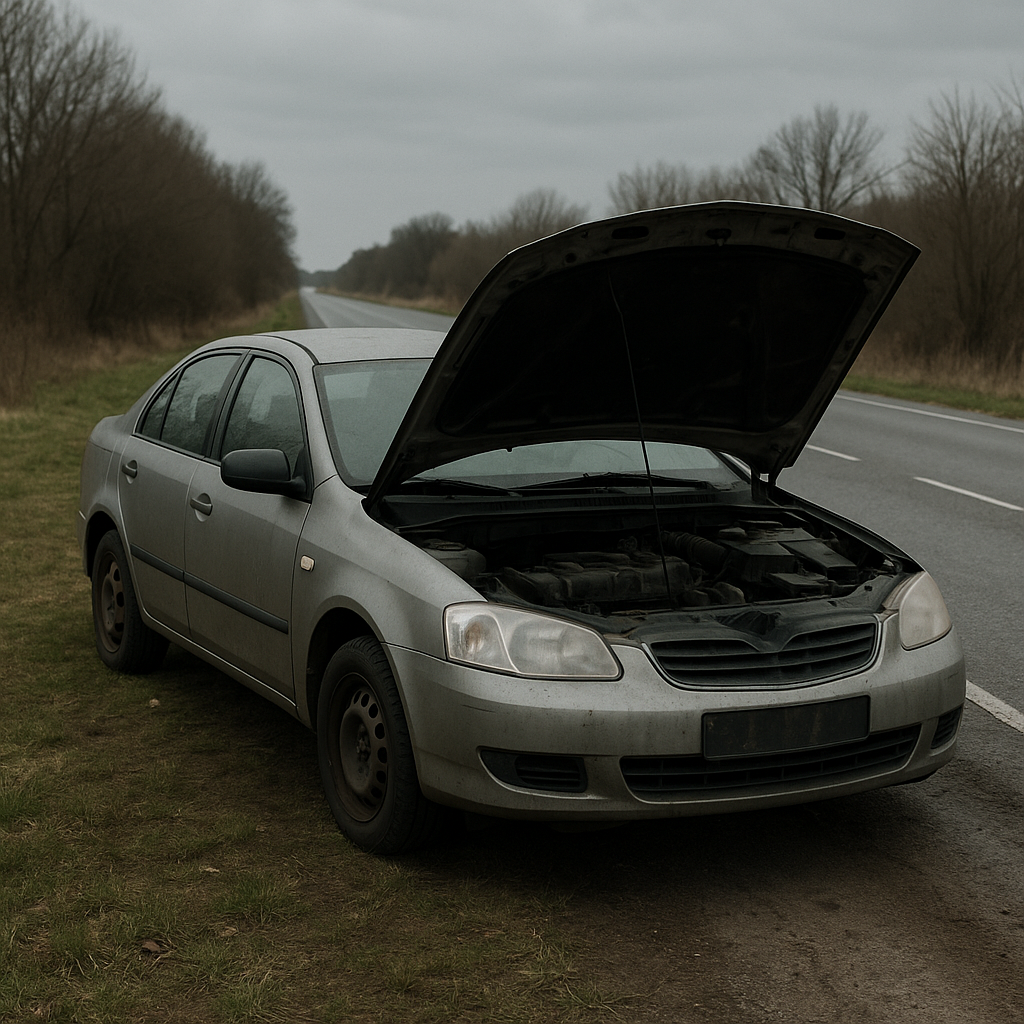
Why Do I Feel Like No One Is Helping
Why This Question Is Common After Severe Accidents
In the aftermath of a severe accident, it is not unusual to experience a deep sense of isolation or abandonment. This question—“Why do I feel like no one is helping?”—often echoes in the minds of those grappling with overwhelming situations. During moments of crisis or distress, perceptions can become heightened, leaving individuals feeling as though support is absent, even when it may be present in various forms.
Severe accidents tend to shatter routines, alter relationships, and challenge the sense of normalcy that many people depend upon. The shock and trauma that follow can make individuals more aware of their vulnerability, and this heightens the emotional need for comfort and practical assistance. When responses from others do not seem to meet these amplified needs, it can lead to the feeling that support is lacking, regardless of the reality.
Additionally, after traumatic events, people often struggle to communicate or even recognize their own needs clearly. The body and mind may prioritize simply surviving the moment, making it difficult to articulate desires for help or interpret the responses of others. In this context, the feeling that “no one is helping” is a common, if distressing, reaction that many share in similar circumstances.
Clear Neutral Explanation
The sensation described as “feel no one is helping” can be understood through several factors at play after a crisis. During or after a severe accident, the human body and mind undergo significant stress responses, including shock, confusion, and emotional turmoil. Such experiences can filter or distort perceptions of reality, including the actions of those around you.
In practical terms, the people who might offer assistance—friends, family, medical professionals, or bystanders—often navigate their own reactions to the event. Their responses may be supportive but not immediately evident, especially if they are providing help in less visible ways, such as making arrangements, contacting emergency services, or managing their own feelings of helplessness.
Communication also plays a role. In times of upheaval, explicit requests for particular types of help might not be made, and unspoken expectations might not be met. Meanwhile, others might assume distance or silence is wanted, trying not to overwhelm or intrude, and thus avoid reaching out as directly as one might wish. These mismatches between expectation and reality can fuel the perception that support is missing.
Another element is the disruption of routines and familiar sources of comfort. Physical pain, environmental changes (such as being in a hospital), and emotional exhaustion can widen this gap further. Even with people around, these circumstances can create a profound sense of solitude.
Helpful Emotional Context
Emotions can be intensified and complicated after an accident. Feelings of vulnerability, fear, and uncertainty are common. When someone is deeply affected by trauma, daily interactions can feel insufficient in addressing the depth of those needs.
The yearning to feel understood and validated is particularly strong at such times. If others seem preoccupied, unfamiliar, or distant—either physically or emotionally—it can amplify feelings of loneliness. Those trying to help may not fully grasp the depth of pain, leading to a mismatch between what is offered and what is actually needed. This disparity can leave individuals feeling as if they are facing hardship alone, even in a crowd.
Sometimes, the mind’s protective mechanisms can contribute to these feelings. Emotional numbness or withdrawal is a natural response to overwhelming experiences. While this can help manage shock, it can also create a disconnect from the presence or care being offered.
Common Misconceptions
A frequent misconception is that feelings of abandonment after an accident mean help is truly absent. In reality, assistance may simply appear in unfamiliar forms. Support can be practical—hospital staff ensuring safety, insurance adjusters managing logistics—or more subtle, like a friend sending a quiet message or a family member managing household tasks from afar.
Another common belief is that one should feel gratitude for any help received, regardless of whether it matches personal emotional needs. The reality is that different people require different types and degrees of support, and emotional needs following trauma are highly individual.
It is also misunderstood that others always know how or when to provide the “right” help. Even close friends or family can struggle to interpret signals or might worry about saying the wrong thing. This uncertainty may result in less overt support, creating the impression of neglect.
Finally, there is an assumption that feeling isolated is a sign of weakness or failure. In fact, such feelings are a normal response to extraordinary circumstances, shaped by the mind’s way of processing trauma and seeking comfort.
Closing Paragraph
The feeling that no one is helping, especially after a severe accident, is deeply rooted in human response to trauma and uncertainty. While the mind may signal abandonment, reality is often more nuanced, colored by stress, communication barriers, and differences in coping styles for both the individual and those around them. Recognizing the many factors that contribute to this sensation does not diminish its impact, but it can help clarify why such feelings arise. In time, understanding these emotional landscapes may provide space for greater self-compassion and recognition of support—however it might appear.