
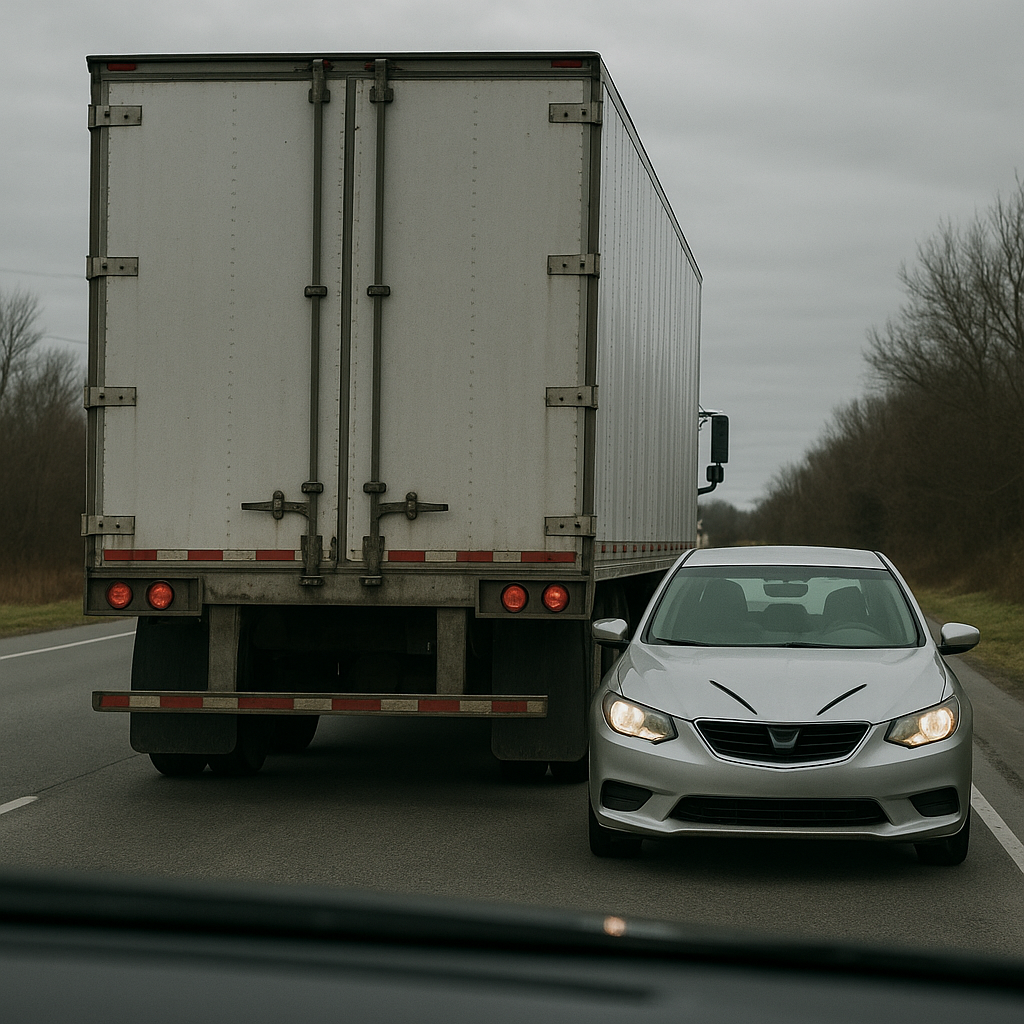
Why Do I Feel Angry at the Truck Driver?
Why This Question Is Common After Severe Accidents
After a severe accident involving a large vehicle, many individuals find themselves grappling with a surge of intense emotions. Among these, anger—often directed specifically at the truck driver—frequently emerges. This reaction is especially prevalent in cases where the sheer size and power of the truck magnify the consequences of the accident. The moments and days following such incidents can be overwhelming, as those involved struggle to process what has happened and why. Naturally, the question, “Why do I feel angry at the truck driver?” arises and demands a closer look.
The heightened emotional response can be attributed to a variety of factors: the sudden disruption to daily life, the potential for serious injury, and the feeling of vulnerability when sharing the road with much larger vehicles. The truck driver, as the most visible human face of the incident, often becomes the focal point for these feelings.
Clear Neutral Explanation
Feelings of anger toward the truck driver can be traced to several human responses to traumatic or stressful experiences. First, when something sudden and life-altering occurs, like a collision with a truck, the mind seeks a clear cause or responsible party. The human brain tries to make sense of chaos by identifying someone or something to attribute blame to. In the context of an accident, the truck—and by extension, the truck driver—often become the most obvious symbols of what went wrong.
Secondly, anger is a natural component of psychological responses to trauma, often understood through models like the five stages of grief. When facing a dramatic change—injury, property loss, or even just a shaken sense of road safety—anger emerges as a way to process pain and regain a sense of control. This anger sometimes focuses outward, especially when the truck driver can be seen, named, or remembered from the event. The perception that a driver’s choices or errors may have played a role further intensifies this focus.
Moreover, trucks operate under different rules and possess significant physical power on the road. Many people unconsciously expect truck drivers to carry greater responsibility due to the potential consequences of a mishap. In an accident’s aftermath, these expectations may intensify emotional reactions as accident victims compare the driver’s professional obligations to the situation’s outcome.
Helpful Emotional Context
Looking deeper, anger often surfaces as a protective emotion. Similar to fear, it serves as a shield in the face of perceived danger or injustice. This can be especially prominent after accidents, which can leave individuals feeling powerless, shocked, or powerless. Channeling feelings into anger may create a sense of agency or justice at a time when control feels absent.
Additionally, the experience of anger might coexist with other emotions, such as fear, sadness, or confusion. Sometimes, it emerges in waves or unexpectedly. These layers can make it difficult to pinpoint whether the anger is entirely directed at the truck driver, or if it also stems from the circumstances, the randomness of the event, or the impersonal forces at play within the broader traffic environment.
For those who were passengers or loved ones of those involved, anger at the truck driver may also serve as a way to express loyalty or to defend those affected. It becomes a method of articulating the magnitude of harm, underscoring the seriousness of the outcome, and sometimes, seeking accountability for perceived wrongdoing.
Common Misconceptions
A frequent misconception is that anger automatically equals certainty about fault or guilt. Many may believe that feeling angry at the truck driver is synonymous with believing that the truck driver alone caused the accident. However, anger does not function solely as an accurate gauge of responsibility—it is instead an emotional response to a complex, high-stakes situation. Accidents often have multiple contributing factors, including weather, road conditions, actions of other drivers, and unexpected mechanical failures.
Another misunderstanding is the assumption that intense anger must always signal a permanent grudge or deep-seated resentment toward truck drivers in general. In reality, anger after an accident is often transient and situational. It is an immediate reaction that can fade or change over time as more information is gathered or as recovery—physical, emotional, or both—progresses.
There is also the belief that feeling angry is wrong or irrational, as if one should remain stoic or detached in the wake of trauma. The truth is that anger is a valid and common part of the emotional spectrum after a traumatic event. Its presence does not invalidate other emotions or the rational assessment of the incident.
Closing Paragraph
“Why do I feel angry at the truck driver?” is a question rooted in the deep, often overwhelming emotions that follow a serious accident. This anger is a natural, multifaceted reaction to fear, uncertainty, loss, and the search for meaning after a traumatic event. It is common to focus anger on the truck driver, especially when their role is clear and visible. Understanding where these emotions come from can offer clarity, reduce self-judgment, and allow individuals the space they need to process their experiences. In many ways, the question itself is a reminder that the emotional aftermath of accidents is complex, and each reaction is part of the journey toward comprehension and healing.