
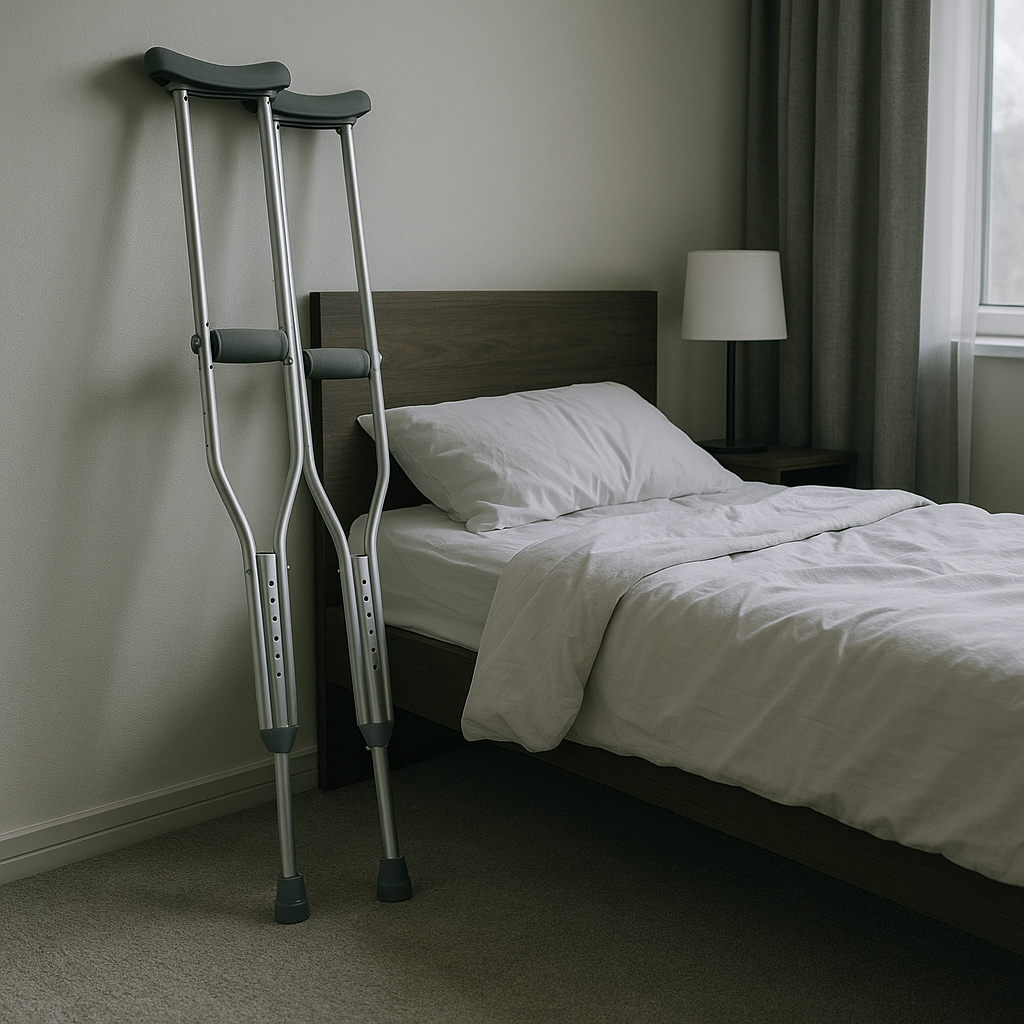
Why am I afraid I won’t recover fully
Why this question is common after severe accidents
After experiencing a severe accident, many people find themselves asking, “Why am I afraid I won’t recover fully?” This concern surfaces frequently, regardless of the type of injury or the specifics of the recovery process. Such fears can arise at any stage of rehabilitation, from the initial shock following the accident to much later, as recovery progresses. Whether the accident resulted in physical injuries, psychological trauma, or both, curiosity about the extent of possible recovery becomes a focal point. Uncertainty about the future and a longing to return to a previous state of health and ability often make this question one of the most persistent and emotionally impactful for those affected.
People who have sustained serious injuries regularly encounter stories, statistics, and medical information about outcomes and complications. These sources can be a double-edged sword, offering hopeful narratives but also cautionary tales. Additionally, medical professionals may avoid making definitive prognoses, contributing to uncertainties about what “full recovery” actually means. As a result, the question of recovery—and the fear attached to it—becomes part of daily life for many injured individuals.
Clear neutral explanation
The fear of not recovering fully from a severe accident is a response shaped by several complex processes. Humans naturally seek certainty and control, especially after facing events that seem unpredictable or overwhelming, such as an accident that changes their sense of safety or ability. Recovery from serious injuries is rarely a straightforward path; it often includes setbacks, unexpected complications, and periods of slow progress. These experiences can foster doubt about how much improvement is possible and whether things will ever return to how they were before.
After a life-changing event, definitions of “full recovery” may also shift. For some, it means restoring all physical capabilities, while for others, it might mean managing pain, regaining independence, or adapting to new circumstances. Fear about not recovering fully often stems from real uncertainties about how recovery unfolds on an individual basis. Even when medical professionals provide information and treatment plans, the unique characteristics of each injury and each person’s response make precise outcomes impossible to predict.
Advances in medicine and rehabilitation create high expectations, yet not all bodies heal at the same rate or to the same extent. The presence of ongoing symptoms, pain, or limitations can reinforce fears about incomplete recovery, particularly if improvements are gradual or appear to stall. Observing others who face similar challenges may amplify or relieve these fears, depending on their outcomes and stories.
Helpful emotional context
Feelings of fear and anxiety related to incomplete recovery are natural in the context of serious injury or trauma. Experiencing a major accident often involves a loss—not only of health but also of a sense of predictability and confidence about the future. Worries about recovery are frequently accompanied by grief, frustration, anger, and sadness. These emotional responses are not only understandable but also common, shared by many who face similar life changes.
The period following a severe accident can feel disorienting as individuals adjust to new routines, rely more heavily on others, and reconsider previously taken-for-granted capacities. The need to adapt to unexpected limitations and re-learn daily tasks may bring about feelings of helplessness or discouragement. Doubts about progress and fears of never being “the same” again can be persistent companions, fueled by moments of pain or fatigue and by comparisons to one’s pre-accident life.
This emotional landscape is often shaped by the stories and attitudes of friends, family, and even casual acquaintances. Encouragements to “stay positive” or to “work harder” at recovery may unintentionally add pressure, making fears of incomplete recovery feel like personal failures rather than natural responses to a challenging situation.
Common misconceptions
Several common misconceptions can influence fears about not recovering fully:
– Recovery follows a linear, predictable path: Many believe that healing should progress steadily, without setbacks. In reality, recovery often involves ups and downs, plateaus, and relapses, which are normal parts of the process.
– Full recovery means returning to pre-accident normal: The idea that recovery is only successful if every function and activity is restored can create unrealistic expectations. Recovery may lead to a “new normal,” which can still offer meaning and quality of life.
– Setbacks signal permanent limitations: Temporary increases in pain or loss of function are sometimes misinterpreted as signs that further recovery is impossible. In most cases, fluctuations are common and do not indicate permanent outcomes.
– Emotional struggles indicate weakness: Fear, sadness, or frustration are natural reactions, not signs of personal failure or poor coping. These emotions often reflect the difficulty of the situation rather than any flaw in the individual.
– Stories of others predict individual outcomes: Comparing oneself to others who have recovered more quickly, or less completely, can create distress. Each person’s injury, response, and healing trajectory is unique.
Closing paragraph
The question, “Why am I afraid I won’t recover fully?” is a reality for many individuals reshaping their lives after severe accidents. This fear is shaped by the unpredictability of healing, shifting definitions of recovery, and powerful emotional responses. Understanding the multifaceted nature of recovery—and acknowledging both the emotional and practical uncertainties involved—can offer reassurance that such fears are a normal, valid part of the healing journey. While the path forward is often uncertain, the concern about not recovering fully speaks to the importance placed on health, identity, and hope for the future.