
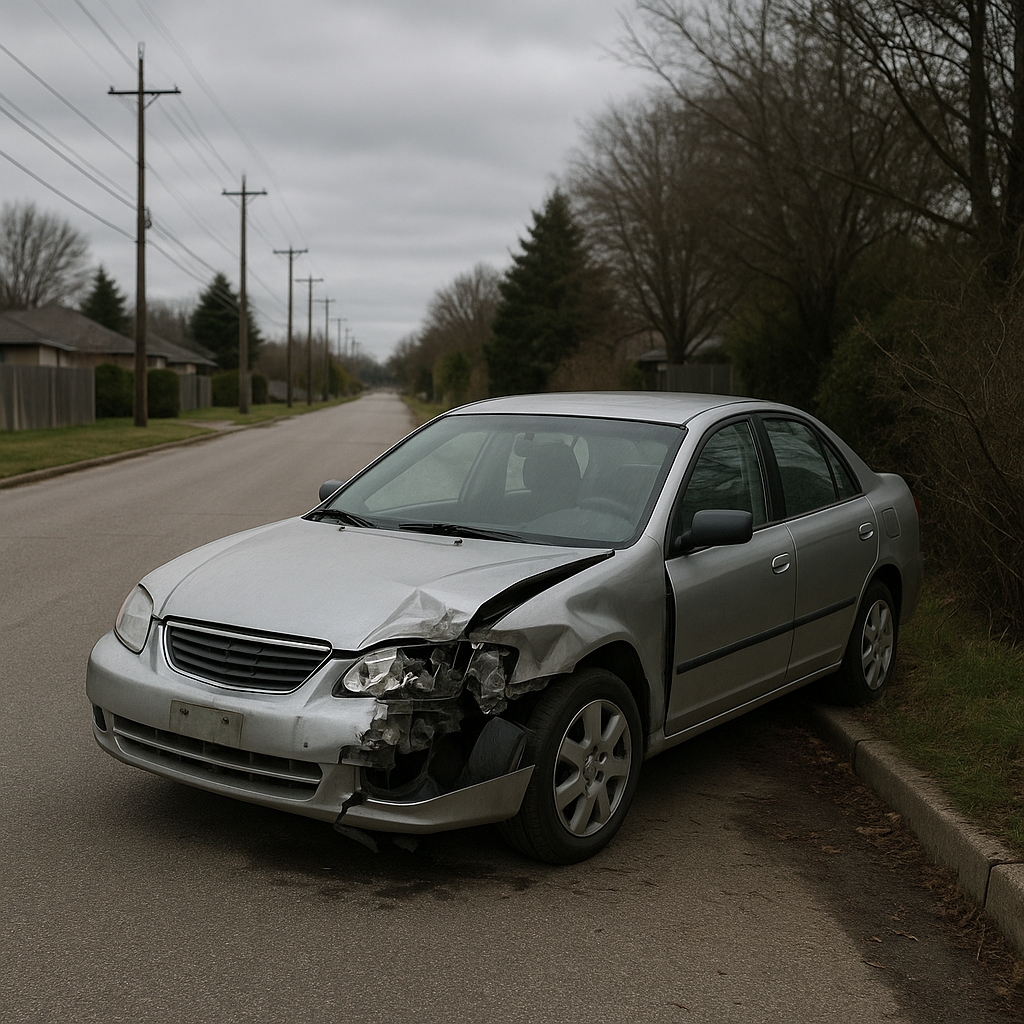
Why do I isolate after the crash
Why This Question Is Common After Severe Accidents
The question “Why do I isolate after the crash?” emerges frequently among individuals who have recently experienced a serious accident. Major collisions—whether involving vehicles, machinery, or other traumatic events—can instigate both physical injuries and deep psychological shifts. In the days and weeks that follow, many find themselves withdrawing from friends, family, and routine social activities. This sudden change in behavior often feels puzzling, especially when there is no clear, conscious reason behind it.
Isolation after a crash is not an uncommon experience. Social withdrawal may onset with feelings of vulnerability, a heightened sense of danger, or even an outspoken desire for solitude. As survivors search for answers, they often wonder: Is this response normal? Is there something inherently wrong? These thoughts can add confusion or even guilt to an already taxing recovery process. Recognition of this pattern is widespread, reflected in online forums, support groups, and candid conversations between survivors. The pressing nature of the question reflects a genuine need to understand the internal changes that often accompany traumatic accidents.
Clear Neutral Explanation
Experiencing isolation following a crash stems from the body’s and mind’s natural response to trauma. When the crash happens, the brain and nervous system initiate a series of mechanisms to cope with danger and overwhelming stress. Initially, these responses are primed for survival: the “fight, flight, or freeze” instinct takes over, focusing resources on immediate threat avoidance and survival.
Once the immediate threat has passed, trauma can express itself in quieter but impactful ways. One of these is withdrawal or isolation. This behavior has roots in both psychological and physiological processes:
– Overwhelm and Processing: After a traumatic incident, the brain works to process what happened, often replaying events and analyzing details in an attempt to make sense of the situation. For many, this process feels most manageable in private, away from social pressures or the expectations of others.
– Protection and Safety: The sense of safety may be disrupted after an accident. Being alone, in a controlled environment, can provide a feeling of protection and allow someone to regain emotional footing.
– Emotional Exhaustion: Trauma can bring a surge of emotions—shock, fear, anger, sadness, or numbness. Socializing can feel exhausting in this period, prompting a retreat inward for the sake of conserving emotional energy.
Withdrawal after a crash, therefore, is not inherently pathological or strange. It is often a sign that the brain and body are prioritizing rest, recuperation, and self-regulation. For some, the isolation eases as confidence is restored and the sense of threat diminishes, but for others, it can persist or signal the need for more focused attention to emotional recovery.
Helpful Emotional Context
Emotions that surface after a crash can be intense and confusing. Feelings such as shock and disbelief may be coupled with guilt, vulnerability, or a sense of being fundamentally changed. The world may suddenly seem unpredictable; situations or places related to the accident can trigger anxiety, and ordinary interactions might seem overwhelming or unsafe.
Choosing to isolate can be a way to manage these feelings without risking further emotional distress. It allows space for individuals to feel their feelings openly, away from questions, advice, or the inadvertent invalidation that sometimes accompanies well-intentioned outreach. The silence and stillness of isolation, for some, offer a respite from a world that now feels chaotic or intrusive.
It’s also common for individuals to feel misunderstood. Friends and family eager to help may not fully grasp the depth of emotional or psychological upheaval. This disconnect can deepen the pull toward solitude, where one doesn’t have to explain, perform, or justify their emotional state.
Common Misconceptions
There are several misconceptions about isolating after a crash:
– It means you’re weak or overreacting: Trauma responses, including isolation, are deeply human and not a sign of weakness. They reflect the brain and body’s effort to protect and heal.
– Isolation equals depression: While social withdrawal can be a symptom of depression, not all post-accident isolation stems from a clinical mood disorder. Sometimes, it’s simply a temporary adjustment mechanism.
– Wanting to be alone is unhealthy: Seeking solitude can actually be a natural part of recovery, essential for processing complex emotions and regaining a sense of control.
– If you isolate, you’ll never recover: Most people experience some degree of social withdrawal after trauma, which naturally shifts with time, support, and personal coping rhythms.
Understanding these misconceptions helps reduce self-judgment and encourages patience and clarity during the recovery period.
Closing Paragraph
In summary, asking “Why do I isolate after the crash?” reflects a search for understanding in the wake of upheaval. Isolation in this context is a neutral, and often necessary, response rooted in biology and psychology. It emerges from the need to process, protect, and recover from the shock of the accident. While it can feel lonely or confusing, this behavior makes sense within the broader spectrum of trauma responses. Accepting isolation as part of the healing journey can create the space needed for gradual restoration and future reconnection.