
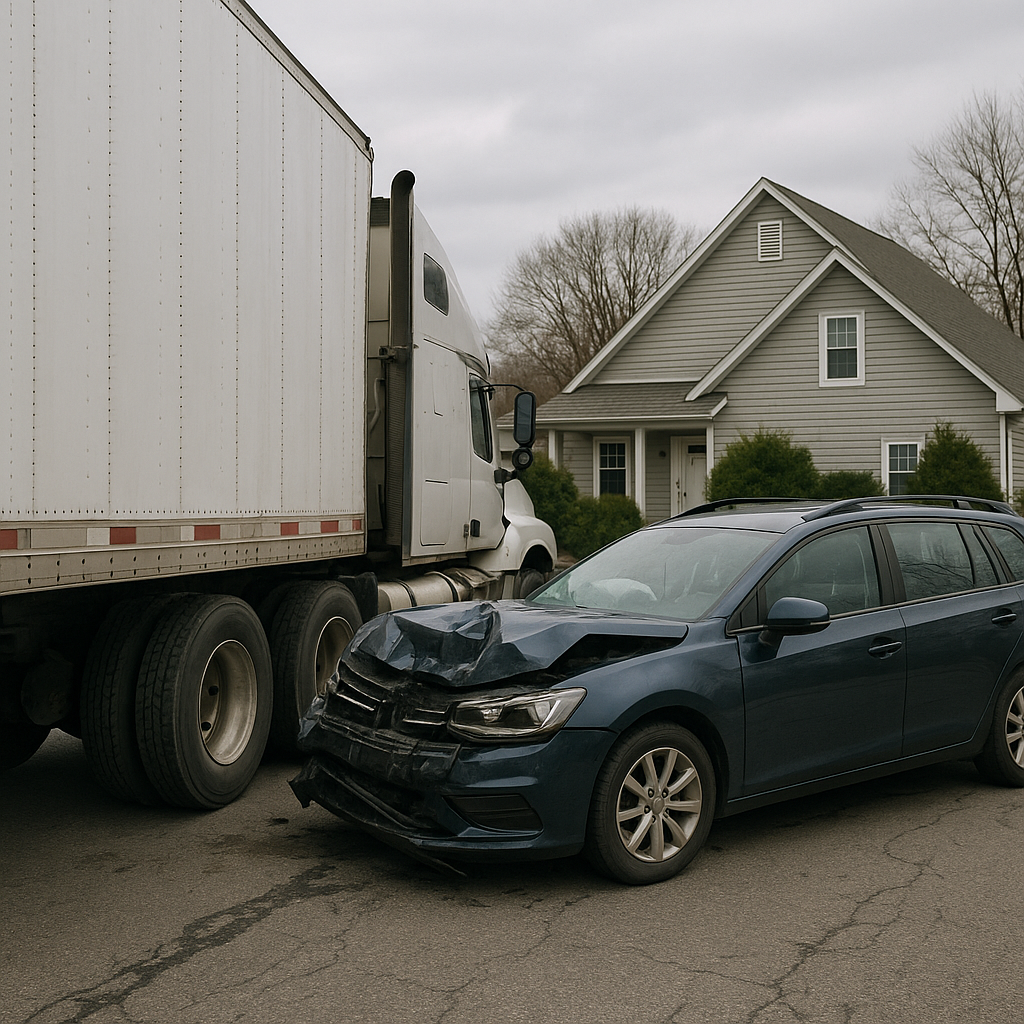
How Truck Accidents Affect the Whole Family
When a truck accident occurs, the impact often extends far beyond the individual directly involved. Entire households can experience significant changes as a result, both immediately and in the long term. While the physical and emotional recovery of the accident survivor is often at the heart of the process, a truck accident affects the whole family in ways that can be both complex and deeply personal. Understanding these effects can help families navigate challenges with greater resilience and empathy.
Why Truck Accidents Affect Entire Households
The consequences of a truck accident are rarely isolated to the driver or passengers. The family unit is interconnected; when one member undergoes trauma or injury, the ripple effect can alter everyday routines, financial situations, and emotional well-being for everyone. This is especially true with truck accidents, which are often more severe due to the size and force of commercial vehicles. In such cases, the event can precipitate a sudden shift in the roles and responsibilities within a household.
Truck accidents can lead to long hospital stays, rehabilitation, and even permanent disabilities. If the person injured was a primary income earner or caretaker, the family may need to reorganize their entire dynamic. Even if injuries are not physically life-altering, the emotional aftermath can still cause significant disruption. The result is often a period of adjustment marked by stress, anxiety, and, in many cases, uncertainty about the future.
Common Family Role Changes
One of the most immediate ways a truck accident affects the whole family is through shifting roles and responsibilities. When a parent or adult family member is injured, others may need to step in to fill the gap.
Caregiver Role Reversal
A spouse may find themselves taking on the duties of both parents, or children may need to help more with chores and responsibilities around the house. In some cases, older kids or extended family members might become caregivers, particularly if the injured family member requires assistance with daily tasks. The adjustment to these new roles can be challenging, both physically and emotionally, as family members often juggle multiple new responsibilities at once.
Financial Provider Shift
If the injured party was the primary source of income, another family member may need to look for additional work or take on a job for the first time. This shift can lead to changes in daily schedules, affect childcare arrangements, and place added pressure on those assuming new roles. The stress from these adjustments is compounded if medical expenses or loss of income lead to financial strain.
Emotional Support Distribution
After a truck accident, the emotional needs of the injury survivor are often paramount, but other family members may also experience their own stress or trauma. It is not uncommon for one or more members of the household to adopt the role of emotional anchor, trying to provide stability and reassurance for others. This responsibility, while important, can lead to burnout or feelings of being overlooked in their own right.
Communication Challenges Families Face
A truck accident affects the whole family in part by introducing new obstacles to effective communication. Stress, fatigue, and emotional upheaval can make open, honest discussions more difficult just when clarity and support are needed most.
Managing Emotions
Both adults and children may struggle to articulate their feelings following a traumatic event. Children, in particular, might withdraw, act out, or express anxiety in ways that are hard for adults to interpret. For spouses or partners, there may be tension regarding how the family is coping or what steps to take next. Without clear communication, misunderstandings can easily arise, potentially adding further strain to already stressful circumstances.
Navigating Sensitive Topics
Conversations about finances, changes in daily life, or long-term care needs can be sensitive and sometimes contentious. Questions like how to pay medical bills or who will assume specific tasks might feel overwhelming. Some family members may hesitate to “burden” others with their worries, while others might feel frustration at the changing nature of household responsibilities.
Seeking and Offering Support
It’s common for families affected by a truck accident to need outside help, whether from friends, relatives, or community resources. However, asking for assistance can sometimes feel challenging, particularly if the family is used to managing independently. Open dialogue about the need for support—both practical and emotional—is crucial to ensuring no one feels isolated or overwhelmed.
Long-Term Emotional Adjustment Patterns
The immediate aftermath of a truck accident is only the beginning. As weeks and months pass, families must adapt to new realities and ongoing challenges. Every member’s emotional journey will be unique, shaped by their personality, role within the family, and the specific circumstances of the accident.
Adapting to New Normals
For some, recovery may be relatively rapid, while for others, the journey is prolonged or indefinite. Adjusting to physical limitations, ongoing therapies, or the permanent loss of a loved one can affect personal identities as well as family dynamics. Routines, traditions, and even holiday celebrations may look different, requiring families to find new ways of connecting and finding joy together.
Building Resilience
Over time, many families discover resilience and resourcefulness they might not have anticipated. Facing adversity together can strengthen relationships and reinforce appreciation for one another. Open communication, shared problem-solving, and mutual support can help family members navigate grief, fear, or frustration as they work through long-term changes.
Supporting Individual Healing
It is important to recognize that healing happens at different rates for everyone. Grief, anxiety, or even guilt may affect individual members in varied ways. Some may benefit from counseling or peer support groups to process their experience and feelings. Encouraging every family member to seek the help they need is an important part of collective recovery.
Conclusion
A truck accident affects the whole family, reaching far beyond the physical injuries of those immediately involved. Role changes, communication hurdles, and emotional adjustments all become part of the household experience, sometimes lasting for years after the incident. By acknowledging these challenges and working together with understanding and support, families can adapt to new circumstances and emerge with a renewed sense of connection and resilience.