
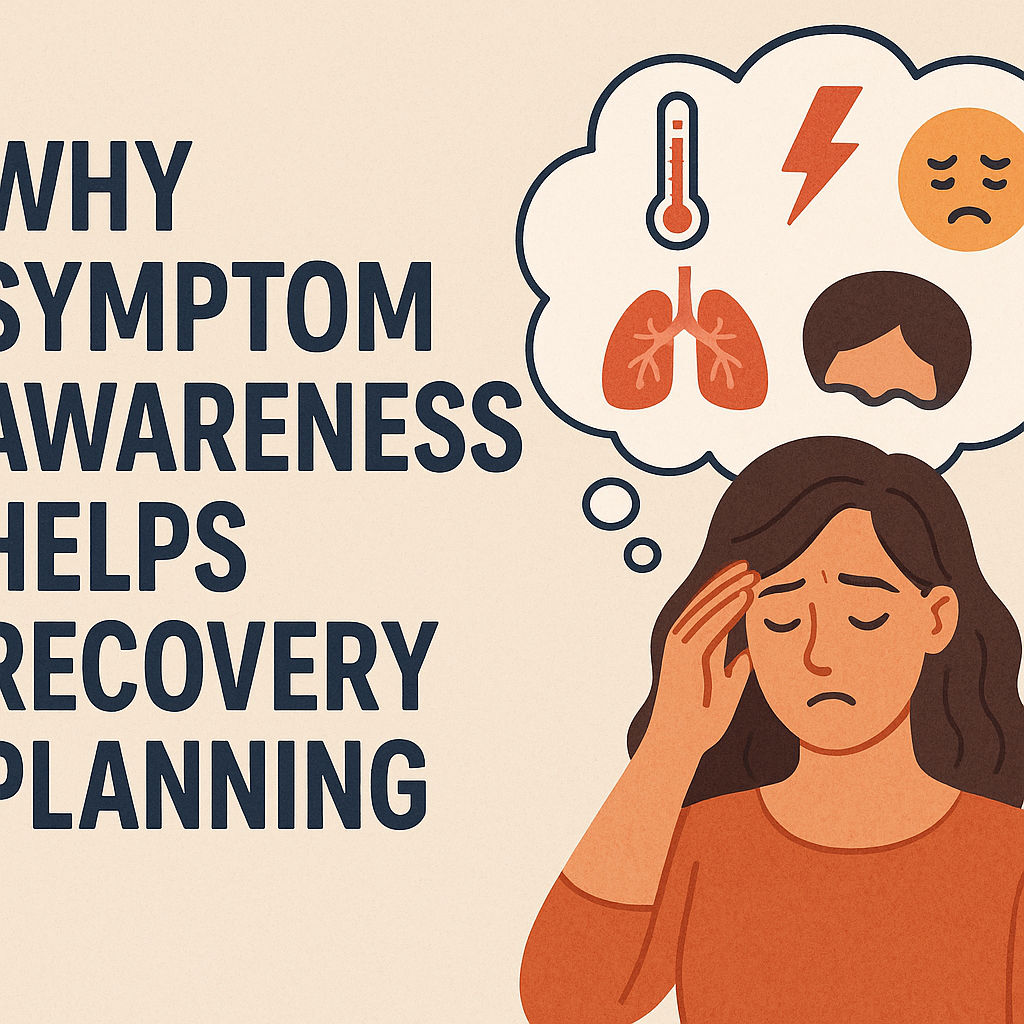
Why Symptom Awareness Helps Recovery Planning
Recovering after a truck accident isn’t always a straightforward journey. The process can be confusing when unexpected symptoms appear, shift, or fade over time. For many people, understanding their symptoms – and being aware of how these symptoms might change – plays an important role in planning for recovery. In this article, we’ll explore why symptoms can emerge after truck accidents, discuss common symptom patterns, and explain the benefits of symptom awareness for effective recovery planning.
Why Symptoms Can Appear After Truck Accidents
Truck accidents often create chaotic situations involving physical impact, emotional stress, and sudden changes to daily routines. Symptoms that appear afterwards can be the body’s way of responding to trauma, even if the injuries seem minor at first. These symptoms may involve physical discomfort, feelings of tension or shock, or difficulties with concentration and sleep.
Sometimes, symptoms develop immediately after the accident. Other times, they’re delayed. This delay often happens because the surge of adrenaline or shock at the time of the incident can mask discomfort or pain – only for symptoms to appear hours, days, or even weeks later. Physical symptoms might include stiffness, headaches, or numbness. Emotional responses such as anxiety, irritability, or persistent fatigue can also emerge as the mind and body process what happened.
Being attuned to these responses is the first step in symptom awareness. It allows individuals to recognize that symptoms related to a truck accident may not always be instantaneous. This understanding can help prevent confusion or worry when new symptoms arise days after the initial event.
Common Symptom Patterns (No Medical Instructions)
While everyone’s recovery experience is unique, there are some common patterns in how symptoms typically develop after a truck accident. Awareness of these patterns encourages individuals to pay attention to any changes, without assuming the worst or seeking to self-diagnose.
For example, physical symptoms such as muscle aches, stiffness, or headaches often follow a general timeline:
– Immediate: Numbness, shock, or adrenaline that can hide discomfort
– Within hours or days: Soreness, swelling, or headaches emerging as the body relaxes
– Over time: Lingering discomfort, reduced range of motion, or sensations that ebb and flow
Emotional and cognitive responses also have patterns. People might feel jumpy or anxious right after the accident, followed by periods of insomnia, difficulty focusing, or even mood swings. These reactions may alternate in intensity, sometimes getting worse before improving.
When individuals are aware of these possibilities, they’re more likely to track their symptoms carefully. This vigilance helps them understand how their experiences fit within typical recovery patterns, supporting more accurate planning and decision-making as recovery progresses.
Why Symptoms Can Change Over Time
Symptoms aren’t static – they often change as recovery unfolds. Physical sensations that weren’t noticeable at first might emerge later, while initial discomforts can fade or be replaced by new feelings. Several reasons explain these changes:
– Delayed Reaction: The body might suppress pain or discomfort in the immediate aftermath, only to reveal it later.
– Movement and Activity: As people resume regular activities, doing more around the house, at work, or in physical therapy, new symptom patterns can emerge as muscles and tissues adapt.
– Emotional Processing: The process of coming to terms with the accident experience can produce emotional symptoms at different stages. One might notice anxiety, sadness, or frustration after the initial shock has worn off.
– Environmental Factors: Weather, stress, diet, and sleep can influence how symptoms manifest and evolve.
Symptom awareness helps individuals identify when something is changing, which can prompt them to adjust their recovery plans. It also supports communication with healthcare providers, insurance companies, or support systems, as people can offer clear information about their evolving experiences.
When People Typically Start Monitoring Symptoms
Often, people start monitoring their symptoms when something feels “off” after an accident and the initial stress has passed. This might occur within hours, days, or sometimes even weeks afterwards. The realization may come when discomfort persists longer than expected or interferes with daily routines.
Sometimes, the prompting to start monitoring symptoms comes from loved ones or colleagues who notice changes. Alternatively, employers or insurance representatives might request information about how symptoms are impacting work or other activities.
Additionally, people may begin tracking their symptoms upon encountering new challenges:
– When returning to work and noticing unexpected difficulty concentrating or moving
– When resuming household tasks and finding a decrease in strength or range of motion
– When emotional changes, such as irritability or trouble sleeping, begin affecting relationships
Engaging in symptom awareness at any point during the post-accident period helps individuals make sense of their unique recovery process. It allows for proactive adjustments to routines, support-seeking, and planning ahead for the coming days or weeks.
Neutral Closing Paragraph
Symptom awareness is a valuable aspect of recovery planning after a truck accident. By paying attention to when symptoms develop, how they change over time, and the way they fit into common patterns, individuals can navigate their recovery journey with greater insight and confidence. While every recovery is unique, developing an understanding of one’s own symptoms can empower individuals to make informed decisions and communicate more effectively with those supporting their road to recovery.