
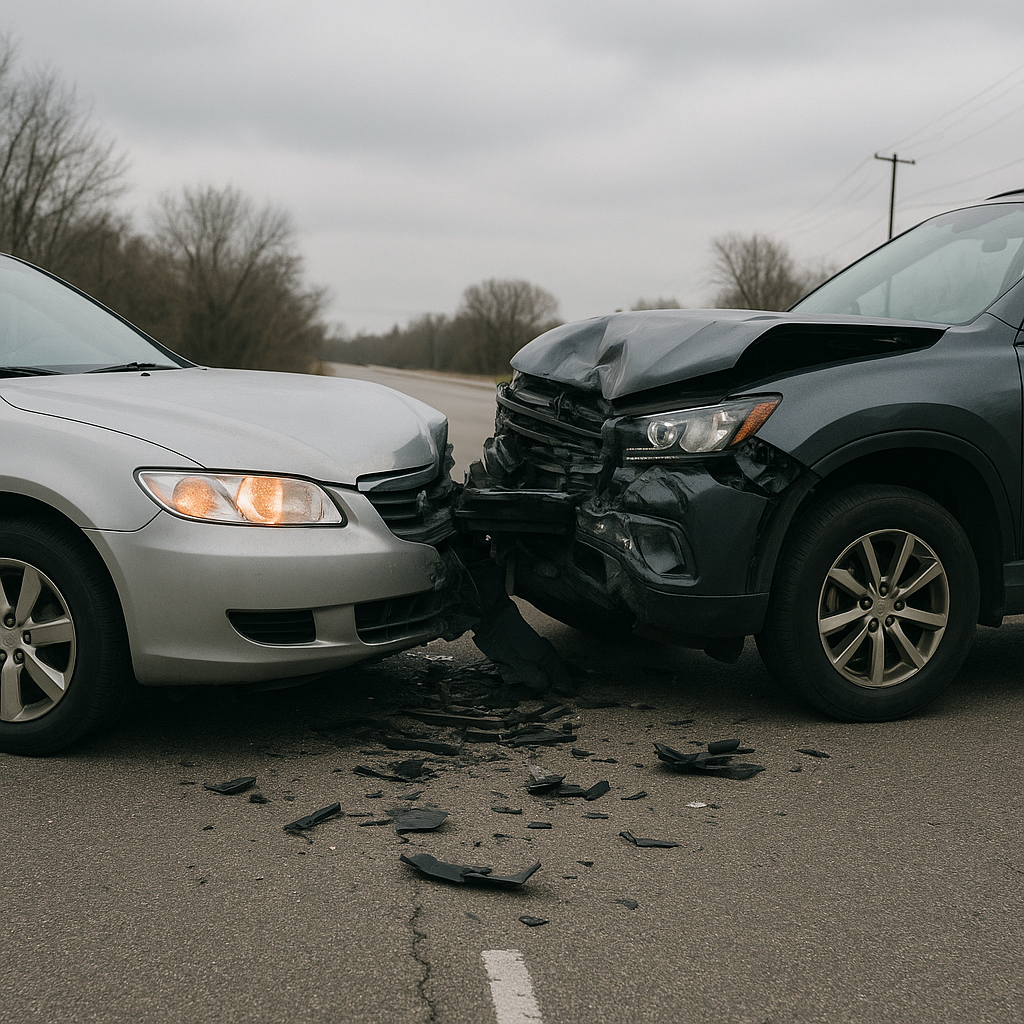
Why Pain May Feel Muted Right After a Crash
After a crash—especially a truck accident—many people report feeling little or no pain, only to notice aches, discomfort, or injuries hours or even days later. This phenomenon, often called “muted pain after a crash,” is common and rooted in both the body’s physical response to trauma and the mind’s psychological coping mechanisms. Understanding why pain can feel muted in the moments following a crash provides valuable insight into the body’s intricate defense systems and helps explain the progression of symptoms in the aftermath.
Overview of Shock and Trauma After Truck Accidents
A collision involving a heavy vehicle like a truck is a significant event for both the body and mind. The sudden impact, noise, and confusion can all contribute to what is known as acute stress or shock. In response to trauma, the body activates a complex mix of physiological processes designed to keep a person alert, safe, and capable of acting if needed.
During shock, blood flow may be redirected to vital organs, while stress hormones flood the system. Many people feel strangely calm, numb, or disconnected from their body—a state that can sometimes disguise injury or pain that would otherwise be impossible to ignore. This automatic, short-term coping mechanism is a normal, evolutionarily designed response to life-threatening situations, intended to maximize survival in moments of crisis.
Why the Body and Mind React This Way
The experience of muted pain after a crash is largely due to the body’s natural “fight or flight” response, governed by the release of stress hormones such as adrenaline (epinephrine) and norepinephrine. When faced with sudden trauma, the nervous system shifts gears, prioritizing immediate survival over the perception of pain or discomfort.
Adrenaline, in particular, plays a significant role. It increases heart rate, sharpens the senses, and prepares muscles for action, while simultaneously dulling sensation. This analgesic effect—the blunting or masking of pain—enables individuals to focus on escaping danger or protecting themselves, rather than being overwhelmed by immediate physical discomfort.
On a psychological level, the brain’s response to trauma can create temporary disconnection from both thoughts and sensations. Dissociation, emotional numbing, or a sense of unreality (sometimes described as feeling “in a dream”) can act as shields to protect the mind from the potentially distressing magnitude of the event and its consequences.
Common Reactions People Experience
In the immediate aftermath of a crash, people may notice a range of reactions that reflect both physical and psychological shock:
– Numbness: Physical pain can feel blunted or absent, even when injuries are present.
– Calmness or detachment: Some individuals report feeling strangely at ease or disconnected from the gravity of the situation.
– Confusion or forgetfulness: Difficulty remembering details or understanding what just happened is common.
– Shakiness, sweating, or chills: The body may tremble or alternate between feeling hot and cold.
– Delayed pain: Injuries that are severe in nature may not “hurt” at first, only to become more obvious later.
These responses are the body’s way of managing the sudden influx of stress and demands placed upon it. While they can be unsettling, they are, in most cases, expected responses to acute trauma.
How These Reactions Can Change Over Time
The muted pain after a crash is typically temporary, lasting from several minutes to several hours. As the immediate danger passes, adrenaline levels decrease and the body begins to process both the emotional and physical consequences of the accident. When this happens, sensations that were muted or absent may gradually or suddenly return.
People often describe experiencing aches, soreness, headaches, or stiffness hours after initially feeling “fine.” In other cases, adrenaline or early emotional shock can delay the onset of more significant discomfort for an even longer period. In addition to physical symptoms, emotional responses may also evolve with time—ranging from anxiety or mood changes to vivid memories or ongoing stress.
The body’s transition from acute shock to a calmer state is accompanied by a “return to sensation.” Muscles that were primed for action may tighten or spasm, and bruising, swelling, or inflammation may develop. People start to notice injuries that were previously masked, making it important to recognize that the absence of pain does not necessarily indicate the absence of injury.
Closing Reassurance
Understanding why pain can feel muted after a crash is an important step in making sense of the body’s response to traumatic events. The body’s tendency to mask pain in the aftermath of a collision is a normal physiological and psychological reaction rooted in self-protection. Over time, as the effects of shock and adrenaline subside, a person’s experience of pain, discomfort, or emotional distress may change or intensify. Recognizing the reasons for these shifts can help individuals better interpret their own reactions, prompting them to approach their recovery with patience and self-awareness. If feelings or symptoms evolve, it is a natural part of the body’s progression out of the initial shock phase and into the next stages of healing.