
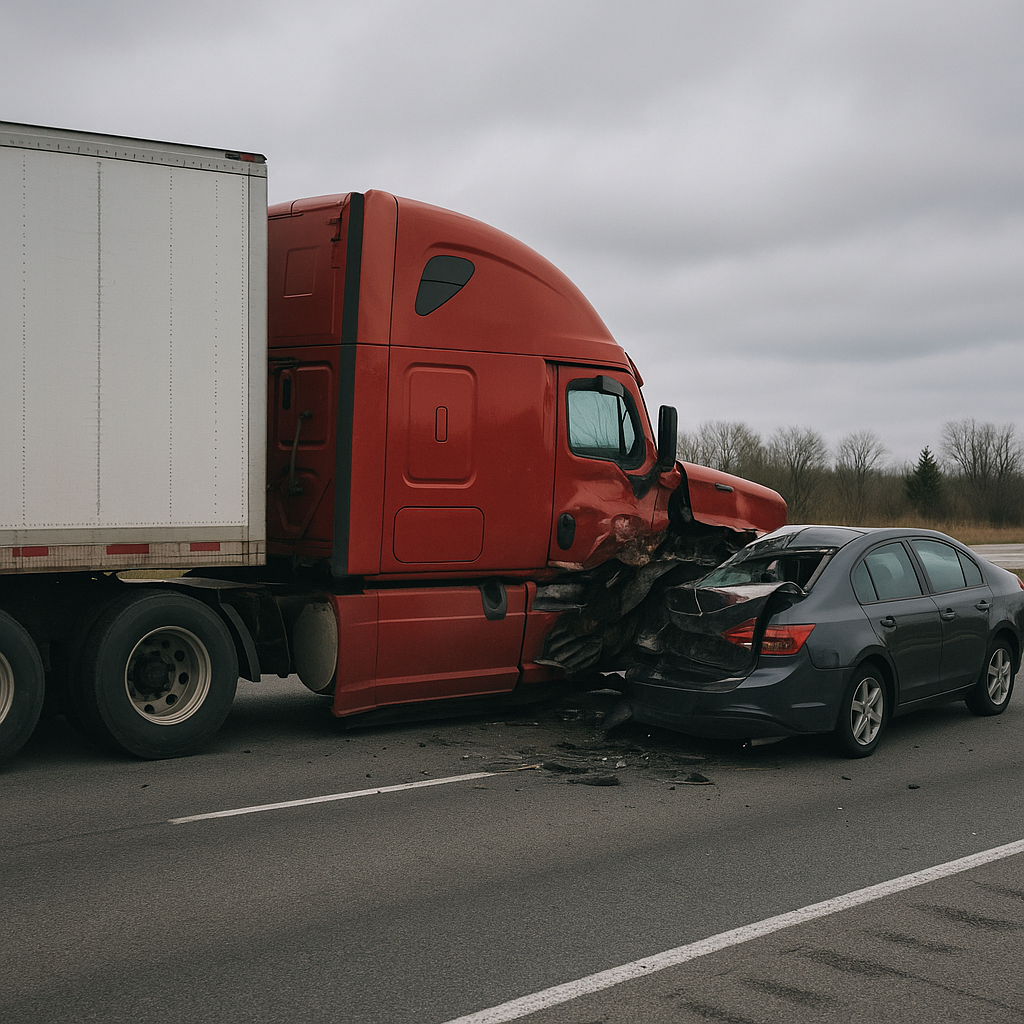
Why Crash Dreams Happen After Semi Truck Collisions
Semi truck collisions are among the most harrowing traffic incidents, often leaving a profound mark not only on the body but also on the mind. In the days and weeks following a serious accident, many people experience vivid, recurring dreams about the crash or similar terrifying scenarios. These “crash dreams” are a common part of the body and mind’s natural response to trauma. But why do these dreams happen, and what role do they play in the recovery process? Let’s explore the connections between stress, sleep disruption, and the phenomenon of crash dreams after a semi truck collision.
Overview of Stress and Sleep Disruption After Trauma
When someone experiences a traumatic event like a collision with a semi truck, the brain and body respond with what is commonly known as the stress response. This set of physiological and psychological reactions is a protective mechanism that helps a person survive danger. For example, adrenaline surges, the heart races, and the mind focuses intensely on threats.
However, these protective responses don’t always subside quickly. For many people, stress lingers long after the accident scene is cleared. This lingering stress can have a powerful impact on sleep, which is a crucial time for the brain to process emotions and memories. When sleep becomes disrupted by worry, hyper-vigilance, or feelings of anxiety, dream patterns can change as well.
It’s during these disrupted sleep cycles that crash dreams are most likely to appear. These dreams are sometimes direct replays of the accident, but they can also be symbolic—scenes of losing control, being chased, or narrowly escaping danger. All these dreams have something in common: they reflect the intense emotions that the trauma has stirred up.
Common Sleep-Related Issues People Report
People who experience crash dreams after semi truck collisions often find that their entire sleep routine is thrown off balance. Some of the most common sleep-related issues reported include:
– Nightmares and vivid dreams: Recurring, distressing dreams about the crash or similarly threatening events are frequent. These dreams may wake a person abruptly and create a sense of dread about returning to sleep.
– Insomnia: Difficulty falling asleep or staying asleep is common. Anxiety about the dreams themselves or about re-living the trauma can prolong wakefulness.
– Night sweats and restlessness: Increased anxiety can lead to more physical activity during sleep, causing tossing, turning, or waking up covered in sweat.
– Fatigue during the day: Poor sleep quality at night often leads to excessive tiredness, trouble concentrating, and low energy levels in the daytime.
These sleep-related issues can compound the stress after a traumatic event, making everyday life and the healing process more challenging.
Stress Cycle Effects on Energy and Focus
The body’s stress cycle is designed for short bursts of intensity, not for prolonged, round-the-clock activation. After a semi truck collision, it’s common for the stress response to get “stuck”—the brain remains on high alert, as if another threat might be just around the corner.
This state of heightened alertness saps both mental and physical energy. When the mind is preoccupied with crash dreams after a semi truck collision, restful sleep becomes rare, and the body struggles to recharge. Fatigue, irritability, and trouble focusing at work or school can follow.
Memory consolidation also suffers, which means that traumatic memories may not be properly processed or stored. This keeps raw emotions and sensory details fresh, fueling the cycle of recurring nightmares and crash dreams. Ultimately, the continued stress response and poor sleep conspire to sap your focus, motivation, and overall sense of well-being.
How Sleep Patterns Evolve During Recovery
Recovery after a traumatic event like a semi truck collision is rarely a straight path. Over time, however, sleep patterns often evolve, bringing gradual relief from the worst symptoms.
At first, sleep may be shallow and fragmented, filled with nightmares or distressing crash dreams. The body’s deep sleep cycles are disrupted by the constant state of alertness, and REM sleep—which is important for emotional healing—may be reduced or disturbed.
As time passes and the immediate impact of the trauma lessens, the brain begins to adapt. Crash dreams may become less frequent or intense. Other dreams might appear that mix elements of the accident with normal, everyday life, signaling that the brain is working to process and integrate the traumatic memory.
People often find that certain habits and routines help rebuild healthy sleep: Keeping a regular sleep schedule, practicing calming bedtime rituals, and creating a restful environment can all support the body’s natural healing. Emotional recovery may also be supported by relaxation techniques, creative outlets, or talking with supportive friends and family—activities that help process what happened and reduce overall stress.
It’s important to remember that improvement is gradual. While some people find that their crash dreams after a semi truck collision fade within weeks, for others, the process may take longer. Each person’s journey is unique.
Neutral Closing Paragraph
Crash dreams after a semi truck collision are a common, if distressing, part of the mind’s response to trauma. These dreams reflect the powerful emotions and stress that linger after such an intense event. While the presence of crash dreams can disrupt sleep and affect everyday life, over time most people find their sleep normalizes and the dreams fade. Understanding why these dreams occur and how stress impacts sleep can provide comfort during the recovery process. With time, patience, and self-care, many individuals regain restful sleep and move forward from the traumatic experience.