
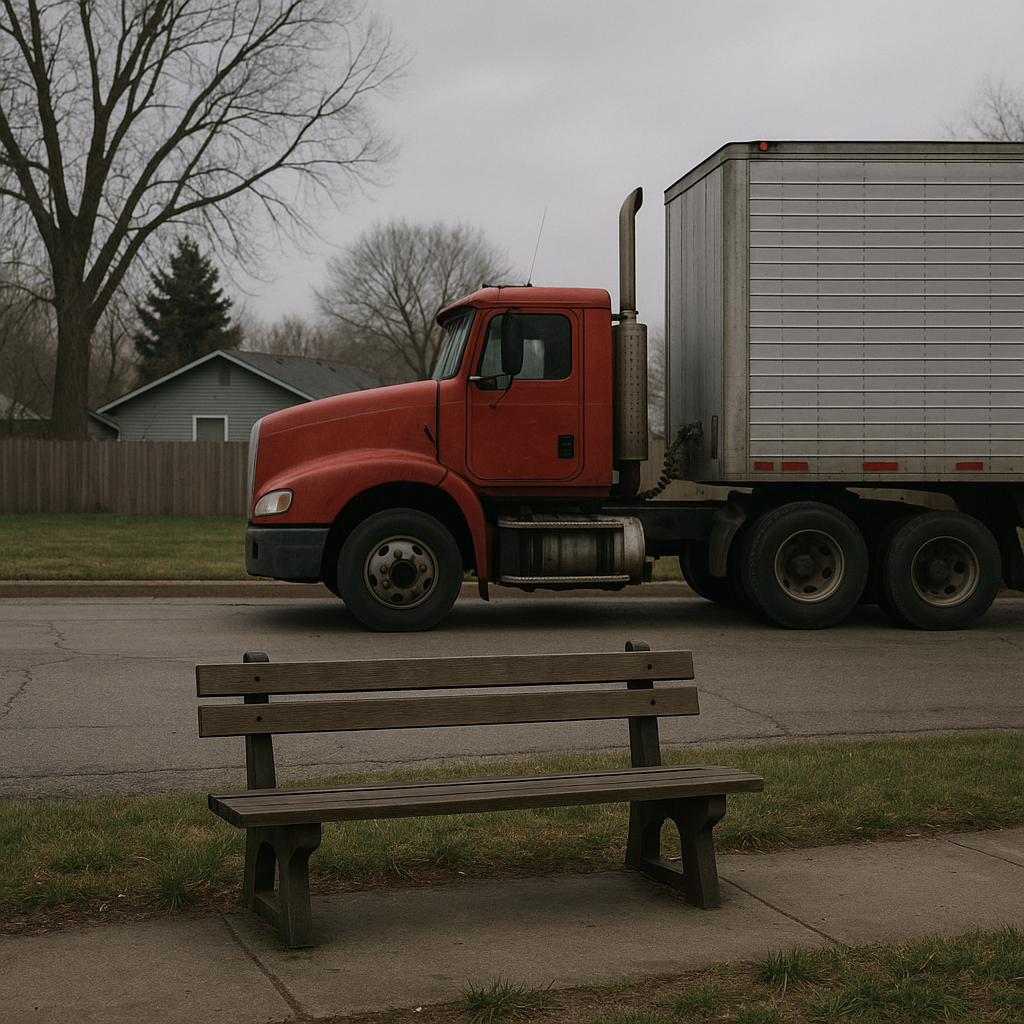
Supporting Someone Who Isolates After Truck Accidents
Truck accidents can have far-reaching consequences, not just for those directly involved, but for entire families and close communities. Sometimes, those impacted by such events may withdraw from loved ones, seeking solitude to process their emotions and experiences. If you are concerned about supporting isolation after a truck accident within your household, understanding the reasons behind this behavior and learning compassionate ways to help is essential.
Why Truck Accidents Affect Entire Households
Truck accidents are not just physical events; they often unleash emotional and psychological waves that reach well beyond the person directly harmed. Families function as interconnected systems, and when one member experiences trauma, the entire household feels the impact. This ripple effect may show up as heightened anxiety, disrupted routines, changes in responsibilities, or emotional distancing.
For example, a parent involved in a truck accident might become withdrawn, requiring the rest of the family to adjust their roles and communication patterns. Children may feel unsettled by the changes, even if they do not fully grasp the reasons. Partners or spouses might take on extra responsibilities while managing concerns for their loved one’s mental health. As everyone adapts, the accident’s influence can be felt in everyday interactions, household atmosphere, and long-term family dynamics.
Common Family Role Changes
In the aftermath of a truck accident, families may naturally shift their roles to maintain stability. These changes can be both subtle and overt, depending on the severity of the incident and its psychological aftermath.
– Caregiver Shifts: If the person affected by the accident is a parent or caregiver, others may step in to fulfill daily responsibilities such as childcare, meal preparation, and managing appointments.
– Child Role Adjustments: Sometimes, children may take on more mature responsibilities, helping around the house or attempting to provide emotional comfort to parents or siblings.
– Financial and Logistical Changes: If the accident results in time away from work or significant medical needs, financial stress can lead to further role adjustments. Family members might look for additional sources of income or assistance, creating new routines or sacrificing previous leisure activities.
– Emotional Roles: Some family members might become the “strong one” who suppresses their own feelings to support others, while others may become more emotionally withdrawn.
Recognizing these changes can help households approach them intentionally, looking for ways to share the load and encourage open dialogue rather than letting stress accumulate.
Communication Challenges Families Face
When someone isolates after a truck accident, communication within the family can become particularly challenging. Loved ones may feel unsure about how to approach the person affected, worrying that they may say or do the wrong thing. Misunderstandings can accumulate, adding tension to an already stressful situation.
Some common communication challenges include:
– Fear of Triggering Distress: Family members may avoid talking about the accident entirely, afraid that it might upset the person or reopen emotional wounds.
– Unspoken Expectations: Without clear discussion, assumptions may form regarding each person’s needs, wants, or coping mechanisms.
– Withdrawal Leading to Misinterpretation: The person isolating might crave solitude as a way to process the trauma, but others could interpret this as anger, resentment, or disinterest.
– Difficulty Expressing Emotions: Both the person who experienced the accident and their loved ones might struggle to put feelings into words, leading to bottled-up emotions and misunderstandings.
To address these challenges, gentle, open-ended conversation and checking in regularly—without pressure—can be helpful. Providing reassurance that it is okay to talk or not talk, to spend time together or alone, creates a sense of safety and respect for each other’s needs.
Long-term Emotional Adjustment Patterns
Healing from the emotional impact of a truck accident is often a gradual process, with fluctuations in mood, resilience, and interpersonal connection over time. While some people recover quickly, others may need extended periods of self-reflection or support before they feel ready to re-engage with everyday life.
Here are some typical long-term emotional adjustment patterns to be aware of:
– Oscillating Between Withdrawal and Engagement: Some individuals may cycle between wanting to be alone and seeking company. This pattern is a normal part of processing trauma, provided the individual remains connected to support in some way.
– Gradual Re-entry Into Social Circles: Over time, as physical injuries heal and difficult memories become less immediate, many people start to reintegrate with family activities, routines, and broader social groups. This process should be respected at their own pace.
– Persistent Feelings of Guilt or Anxiety: Even long after the accident, some may struggle with feelings of guilt (especially if others were harmed) or heightened anxiety around vehicles or travel. Encouraging open communication about these emotions can be calming.
– New Coping Mechanisms: The person may develop routines or activities that help them feel grounded or safe, such as journaling, gentle exercise, or engaging in hobbies. Supporting their healthy coping strategies can foster resilience.
– Seeking Professional Help: Sometimes, persistent isolation or mood changes may signal the need for additional support. Families can normalize help-seeking by gently discussing the value of professional counseling or support groups—not as a sign of weakness, but as a resource for restoring well-being.
The goal is not to “fix” the person, but rather to walk alongside them, respecting their journey and offering encouragement without imposing expectations.
Conclusion
Supporting isolation after a truck accident is a compassionate, ongoing process that asks families to balance patience, understanding, and gentle encouragement. Accidents can subtly reshape household dynamics, prompting new roles, testing communication, and initiating long-term personal and emotional adjustment. By remaining open, flexible, and attentive to both spoken and unspoken needs, families can foster an environment where healing is possible—at a pace that feels safe and appropriate for everyone involved. If you or someone you care about is navigating these challenges, remember that steadiness and kindness go a long way in nurturing resilience during the recovery journey.