
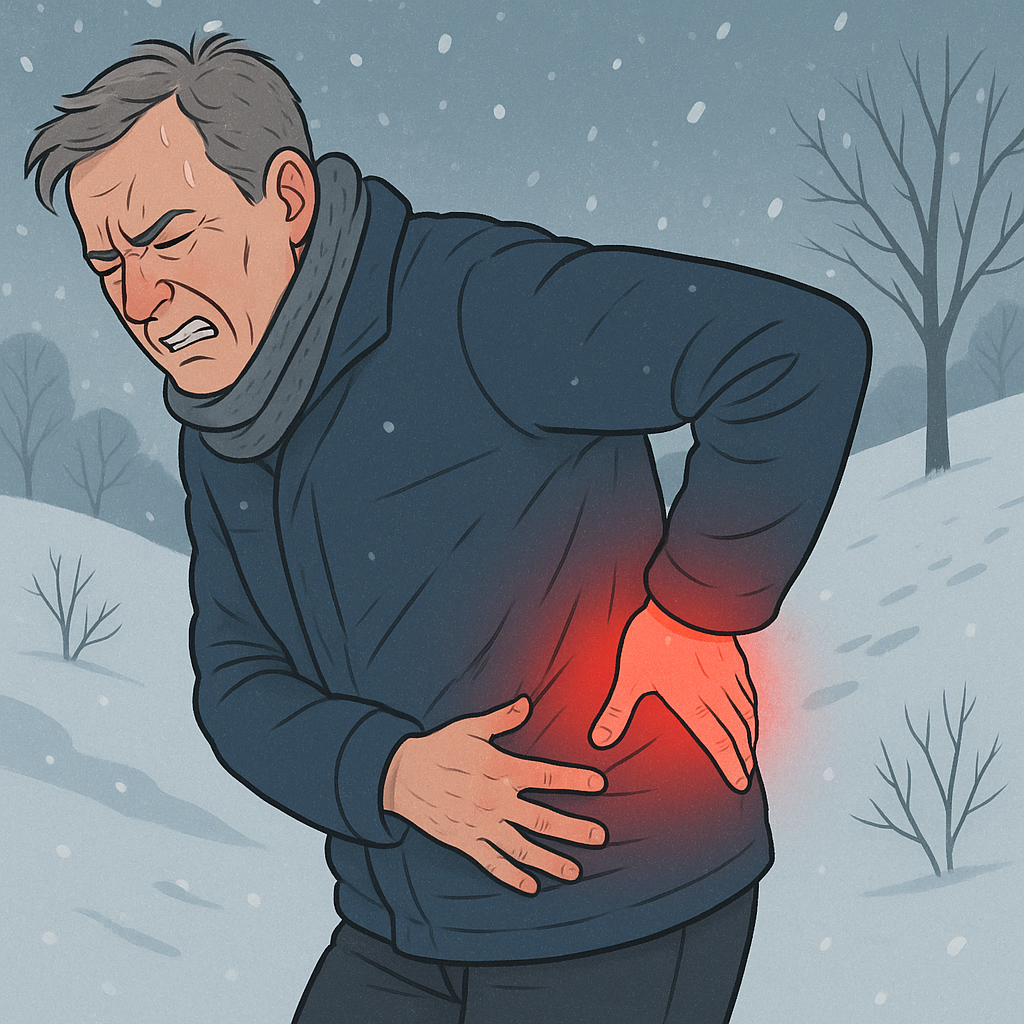
Pain Awareness When Symptoms Worsen in Cold Weather
As the seasons change and temperatures drop, many people become more aware of physical discomfort and pain, especially if they’ve experienced a recent injury or accident. The phrase “pain worse cold weather” is something people commonly use to describe their experiences during winter months. Understanding why symptoms can worsen in cold weather and how this is especially noticeable after incidents like truck accidents can help with effective self-monitoring and awareness.
Why Symptoms Can Appear After Truck Accidents
Truck accidents often involve a significant impact that can jolt or strain the body in ways that aren’t immediately obvious. While some symptoms show up right away, others remain hidden for hours, days, or even weeks. The nature of these impacts often leads to soft tissue stress, joint stiffness, or general inflammation—conditions that might not be clearly noticeable at first.
Factors such as adrenaline during or after the accident can also mask pain, causing a delay before discomfort is felt. Additionally, individuals may initially pay more attention to the most obvious symptoms, while others, less urgent, develop or worsen quietly in the background. As daily routines resume and the body’s natural compensatory mechanisms subside, previously unnoticed discomfort may be felt more acutely.
For many, colder environments can act as a catalyst, drawing attention to lingering or developing sensations. This is particularly relevant for those recovering from bodily stress or trauma, such as what might be experienced in a truck accident.
Common Symptom Patterns (No Medical Instructions)
The term “pain worse cold weather” generally describes several common experiences:
– Stiffness and Achiness: Many people notice that muscles or joints feel stiffer when they are exposed to cold temperatures. This can lead to a sensation of decreased flexibility, especially in the morning or after periods of inactivity.
– Increase in Soreness: Achy or tender areas may seem more sensitive as the weather cools. People often report that preexisting discomfort, particularly in areas affected by an accident, intensifies during colder months.
– Changes in Swelling: Although not universal, some individuals observe that swelling in injured tissues may appear more prominent when it’s cold, sometimes due to reduced circulation.
– Unpredictable Flare-Ups: Certain days may feel noticeably worse than others, making pain management unpredictable. Quick weather changes—such as cold fronts—can correspond with these variations.
– General Sense of Discomfort: Beyond specific locations, some describe a more general sense of bodily discomfort, fatigue, or heaviness when temperatures drop.
It’s important to note that these observations are common trends, not definite outcomes. Every body is unique, and experiences may vary widely.
Why Symptoms Can Change Over Time
Symptoms following an event like a truck accident aren’t always static. Often, the days and weeks that follow reveal a changing pattern of sensations, and environmental factors like temperature can contribute to this evolution.
Several factors help explain why symptoms can evolve:
– Healing Process: The body goes through a complex recovery period, with certain tissues healing faster than others. As some areas begin to improve, pain might shift or centralize in different locations.
– Weather Sensitivity: It’s common for people who have experienced trauma or injury to observe that their symptoms vary with the weather. The exact reasons aren’t fully understood, but theories include changes in atmospheric pressure, cold-induced muscle tension, and fluctuations in blood flow.
– Activity Levels: As recovery progresses, individuals may attempt to resume more activities. Overexertion or changes in daily habits can highlight underlying symptoms that weren’t previously bothersome.
– Body Awareness: People often become more attuned to their bodies when recovering from an accident, noting discomfort that might otherwise go unnoticed. In cold weather, this heightened awareness can be even more pronounced due to the physical effects of temperature.
Understanding that symptoms often change—sometimes in response to weather—can help individuals approach their recovery with greater patience and attentiveness.
When People Typically Start Monitoring Symptoms
After an accident—such as being involved in a truck collision—most people may not immediately think to track their pain or related symptoms in detail. Initially, attention is often on the most urgent aspects: seeking care, managing routines, or dealing with practicalities. As time goes on, especially if symptoms linger or worsen, many people begin to keep closer tabs on their discomfort.
The onset of colder months is a notable trigger for greater self-monitoring. People often find themselves comparing their current feelings to how they felt during warmer periods. Fluctuations in symptoms related to seasonal changes can spark curiosity or concern, prompting more active observation.
Common methods of self-monitoring include:
– Noting Day-to-Day Changes: Individuals might start paying attention to whether discomfort increases on colder days or after exposure to chilly environments.
– Identifying Patterns: Some people note whether the time of day, type of activity, or weather conditions seem to affect their symptoms.
– Keeping a Simple Diary: Writing down symptoms, particularly during seasonal transitions, can help identify patterns and support conversations with care providers when needed.
This period of increased awareness is often guided by the desire to understand what influences pain and what steps might help in managing daily activities, even if just to make more informed choices during cold spells.
Neutral Closing Paragraph
Recognizing how cold weather can influence pain and symptom awareness is a valuable part of understanding the body’s response after an incident like a truck accident. While individual experiences with symptoms will vary, paying attention to patterns—especially when pain worsens in cold weather—can empower people to make more informed decisions about their routines and self-care. As the seasons shift, ongoing observation and awareness remain important, helping individuals navigate the natural ups and downs that often accompany the recovery process.