
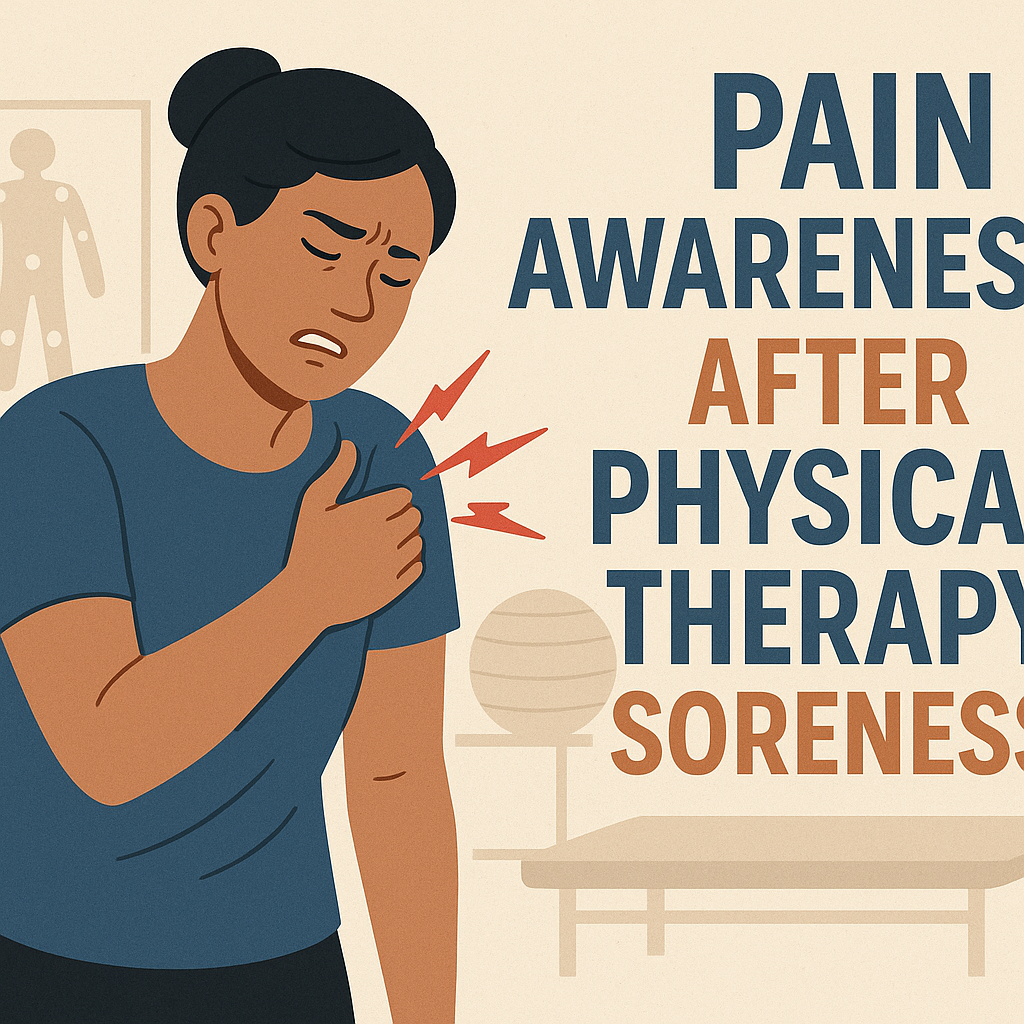
Pain Awareness After Physical Therapy Soreness
The process of physical therapy is vital for recovery after injuries, accidents, or surgery. While it promotes healing, the journey is often accompanied by soreness—an ordinary response as your body adjusts to new exercises and movements. This period often raises important questions about discomfort: What is normal soreness? When should you become more aware of your pain signals? And, crucially, how does pain awareness evolve after the soreness that follows physical therapy? Understanding the nuances of “physical therapy soreness awareness” can empower individuals to better monitor their recovery and communicate more effectively with their healthcare team.
Why Symptoms Can Appear After Truck Accidents
Truck accidents often involve forces that place significant stress on the body, even when injuries seem minor at first. After such incidents, symptoms might not be immediately apparent. Instead, discomfort may surface or intensify in the hours or days following the accident. This delay is common, as adrenaline and shock can temporarily mask pain.
When physical therapy begins after a truck accident, soreness frequently occurs as the muscles, tendons, and ligaments are gently reactivated and strengthened. This soreness may coexist with pain or limitations caused initially by the accident itself. This interplay of new and old symptoms is a normal aspect of the healing journey for many. Increased attention to physical therapy soreness awareness becomes essential during this period, promoting better self-care and communication.
Common Symptom Patterns (No Medical Instructions)
Physical therapy aims to restore strength, flexibility, and function. As a result, several common symptom patterns may emerge, especially following an accident:
– Delayed Onset Muscle Soreness (DOMS): This type of discomfort typically sets in 24 to 72 hours after unfamiliar or intensive therapeutic exercises. It reflects the body’s natural adjustment to new demands.
– Localized Soreness: Soreness might be concentrated around the specific area worked in therapy, such as the neck, back, or joints. This often feels like a dull ache or muscle tightness.
– Diffuse Tension: Sometimes, overall body fatigue or generalized achiness is experienced, especially after sessions that engage multiple muscle groups.
– Increased Sensitivity: Some may notice their pain threshold temporarily lowers, making them more sensitive to movements they could handle comfortably before therapy.
– Stiffness: Mornings or evenings may bring a sense of tightness in the muscles and joints most affected by the therapy or accident.
It’s important to recognize these patterns as typical signs of the body’s adaptation to rehabilitation activities. Tracking soreness and pain awareness over time often helps individuals distinguish normal changes from symptoms that may need further evaluation.
Why Symptoms Can Change Over Time
The aftermath of a physical therapy session is rarely static. Instead, symptoms frequently shift as the body continues its healing process. Several factors contribute to these changes:
– Healing Progression: As tissues repair and strengthen, soreness is likely to decrease, and functional improvements often take the forefront. However, new exercises may occasionally introduce different types of discomfort.
– Cumulative Effects: As therapy progresses, cumulative fatigue can set in, causing some symptoms to fluctuate in intensity.
– Mind-Body Connection: Individuals often become more attuned to subtle pain signals as they learn to monitor their recovery. This heightened awareness may make minor symptoms feel more significant.
– Lifestyle Factors: Sleep patterns, stress, daily activity levels, and nutrition all play roles in how symptoms manifest and are perceived over time.
– Pacing and Progression: Changes in therapy intensity, duration, or complexity can temporarily increase soreness as the body adapts to new challenges.
These shifting sensations highlight the importance of ongoing physical therapy soreness awareness. Each phase of rehabilitation can introduce new symptom patterns that merit attention and thoughtful self-assessment.
When People Typically Start Monitoring Symptoms
Physical therapy soreness awareness is not always immediate. Most individuals begin to closely monitor their symptoms at specific points in the recovery journey:
– After the Initial Sessions: The first few days of physical therapy often bring pronounced soreness or discomfort, triggering increased attention to physical cues.
– Following Exercise Progressions: As therapy exercises become more challenging, individuals may start recording symptoms in journals or using mobile apps to track changes and patterns.
– After Noticing New or Unfamiliar Sensations: If soreness extends longer than expected or shifts in character, people may pay closer attention to timing, location, and intensity of their symptoms.
– When Impacted by Daily Activities: Difficulty in everyday tasks, such as standing, walking, or sleeping, naturally prompts increased monitoring of post-therapy symptoms.
This growing awareness often results in more effective self-care and clear communication with therapists or support networks. It allows for adjustments in therapy and reassures individuals as they navigate the complexities of physical recovery.
Neutral Closing Paragraph
Pain awareness after physical therapy soreness is a process that evolves alongside physical and emotional recovery. Understanding why symptoms appear, identifying their common patterns, appreciating how they change over time, and recognizing when to begin monitoring them can help individuals feel more in control during their healing journey. By fostering informed self-awareness, people participating in physical therapy become active partners in their rehabilitation experience. This approach supports both progress and confidence as individuals move forward on the path to improved well-being.