
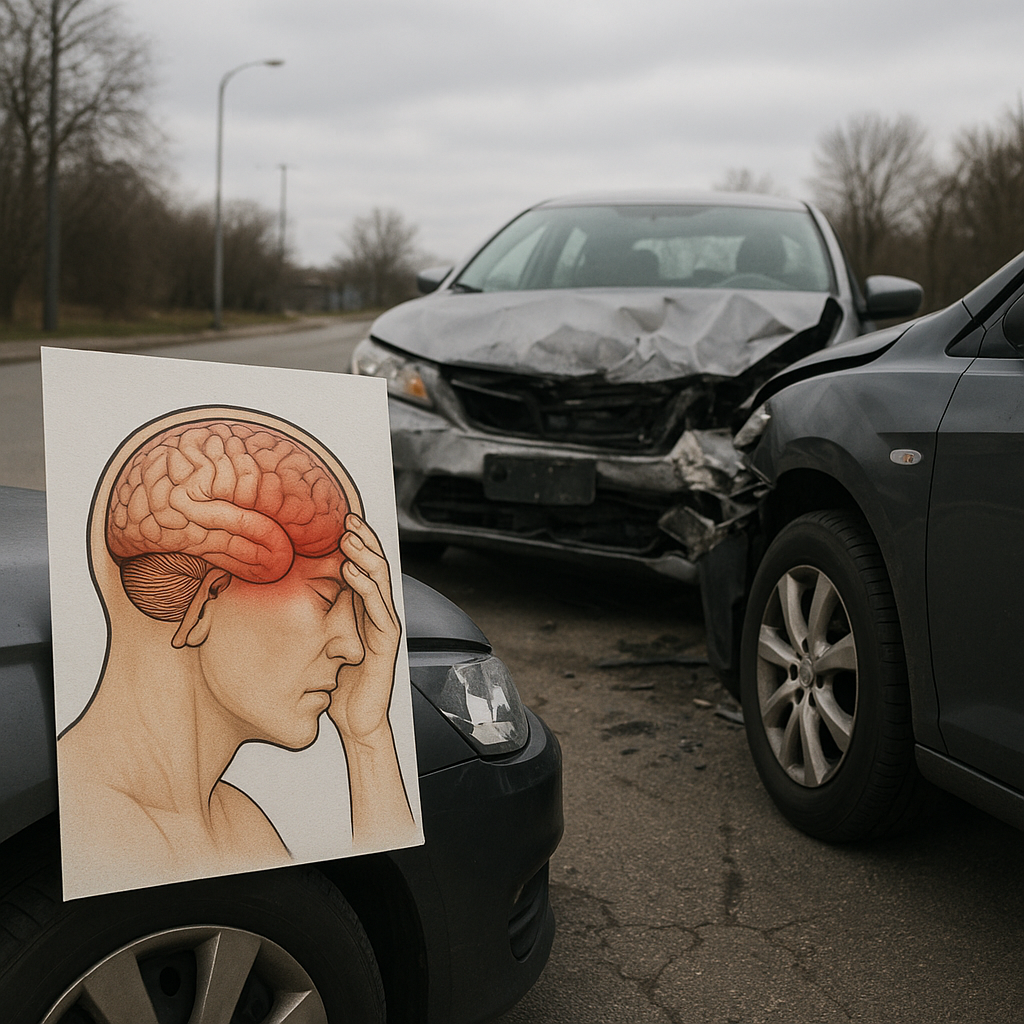
Headaches Triggered by Trauma After Crashes
Overview of Shock and Trauma After Truck Accidents
Traffic crashes, especially those involving large vehicles like trucks, are often deeply impactful events. Beyond the immediate physical injuries, individuals commonly experience a wide range of responses, both physiologically and psychologically. One notable aftermath is the onset of headaches, which can be triggered by trauma experienced during and after the crash. These headaches may become a persistent and distressing part of recovery for many people.
In the wake of a truck accident, it is not unusual to experience symptoms of shock—an emotional and physical state that arises following a sudden and intense event. Shock can be understood as the body’s acute reaction to stress, serving as an immediate alarm system designed to help individuals cope with and survive threatening situations. While shock is a critical survival mechanism, it can also contribute to lingering symptoms, including headaches and other somatic complaints.
Trauma, which encompasses both psychological and physical impacts stemming from an event, can vary significantly between individuals. The unique and sometimes overwhelming nature of truck crashes—characterized by their scale, noise, and often unexpected outcomes—heightens the likelihood of both immediate and ongoing traumatic responses. Among these, headaches may arise directly from physical injury, but can also be closely linked with the psychological distress accompanying traumatic experiences.
Why the Body and Mind React This Way
The human reaction to trauma, particularly after a truck crash, is the result of complex interactions between body and mind. When an individual is exposed to a highly stressful or life-threatening situation, an instinctive chain of physiological responses is set into motion. The body releases stress hormones, such as adrenaline and cortisol, which prepare a person for a “fight or flight” response. These hormones can lead to changes in blood pressure, muscle tension, and sensory perception.
Headaches after a trauma or crash can be attributed to several factors:
– Physical Impact: Sometimes, the direct physical effects of the crash—such as whiplash or a bump on the head—can result in headaches either immediately or some time after the event.
– Muscle Tension: The heightened state of alertness can cause persistent muscle contraction, particularly in the neck, shoulders, and scalp. This muscle tension can lead to tension-type headaches, which are often described as a pressure or tightness around the head.
– Emotional Distress: Ongoing anxiety or worry after the crash may contribute to headaches. The brain remains on high alert, sometimes leading to disrupted sleep and increased irritability, both of which can exacerbate headache symptoms.
– Changes in Routine: Disruptions to daily patterns—whether from missing work, changes in sleep, or altered eating habits—can also trigger or worsen headaches.
The mind’s attempt to process and make sense of the event may manifest through physical symptoms, including headaches. These are sometimes referred to as psychosomatic symptoms, where psychological distress is expressed physically.
Common Reactions People Experience
Following a traumatic crash, people may experience a broad spectrum of symptoms. Physical reactions and psychological responses often intermingle, and their intensity may vary depending on the person and specific circumstances of the incident. It is important to note that these responses are typical, even if uncomfortable or distressing.
Common physical reactions include:
– Headaches of different intensities and durations
– Muscle stiffness, especially in the neck and jaw
– Digestive upsets (such as stomachache or nausea)
– Tiredness or fatigue
– Disturbed sleep patterns
Common psychological and emotional reactions include:
– Difficulty concentrating
– Anxiety or persistent worry related to the crash
– Flashbacks or intrusive memories
– Mood changes, such as irritability or sadness
– Increased startle response or feeling “on edge”
Headaches, in this context, may emerge in the immediate aftermath of the crash or arise several days or even weeks later. They may coincide with periods of stress, be triggered by certain memories or reminders of the crash, or seem to appear without warning.
How These Reactions Can Change Over Time
Reactions following a truck crash—including headaches triggered by trauma—tend to evolve. For many, symptoms may gradually diminish as the initial shock recedes and daily routines are reestablished. However, for some, headaches and other symptoms can persist or change in character over weeks or months.
It is not unusual for headaches to change in frequency or intensity as time passes. Some people may notice that their headaches become less severe but last longer, while others might experience intermittent symptoms that seem to flare up during periods of stress or fatigue. Memories of the crash or certain triggers—like being in a similar vehicle or hearing loud noises—can sometimes provoke a return of headache symptoms or other distressing feelings.
In certain cases, headaches and other symptoms may become part of a longer-term adjustment process. This can involve learning to recognize and manage triggers, understanding how tiredness or emotional states influence physical symptoms, and exploring ways to foster a sense of safety and control after the experience.
It is important to acknowledge that there is no uniform timeline for recovery. Each individual’s path is unique, shaped by the specifics of the incident, the resources and support available, and their own coping mechanisms. For many, symptoms gradually lessen in a natural course as the mind and body regain equilibrium. For others, headaches may persist and become a cue to pay attention to ongoing physical or emotional needs.
Closing Reassurance Paragraph
Experiencing headaches and other reactions after a traumatic crash, particularly one involving trucks, is a recognized and understandable response. The interplay between body and mind during times of distress can result in a range of symptoms, including frequent or persistent headaches. Over time, many people find that these symptoms evolve, lessen, or resolve as they adapt to their experience and continue their recovery. Recognizing these responses as a part of the body’s natural response to trauma can help foster understanding and patience during the healing process.