
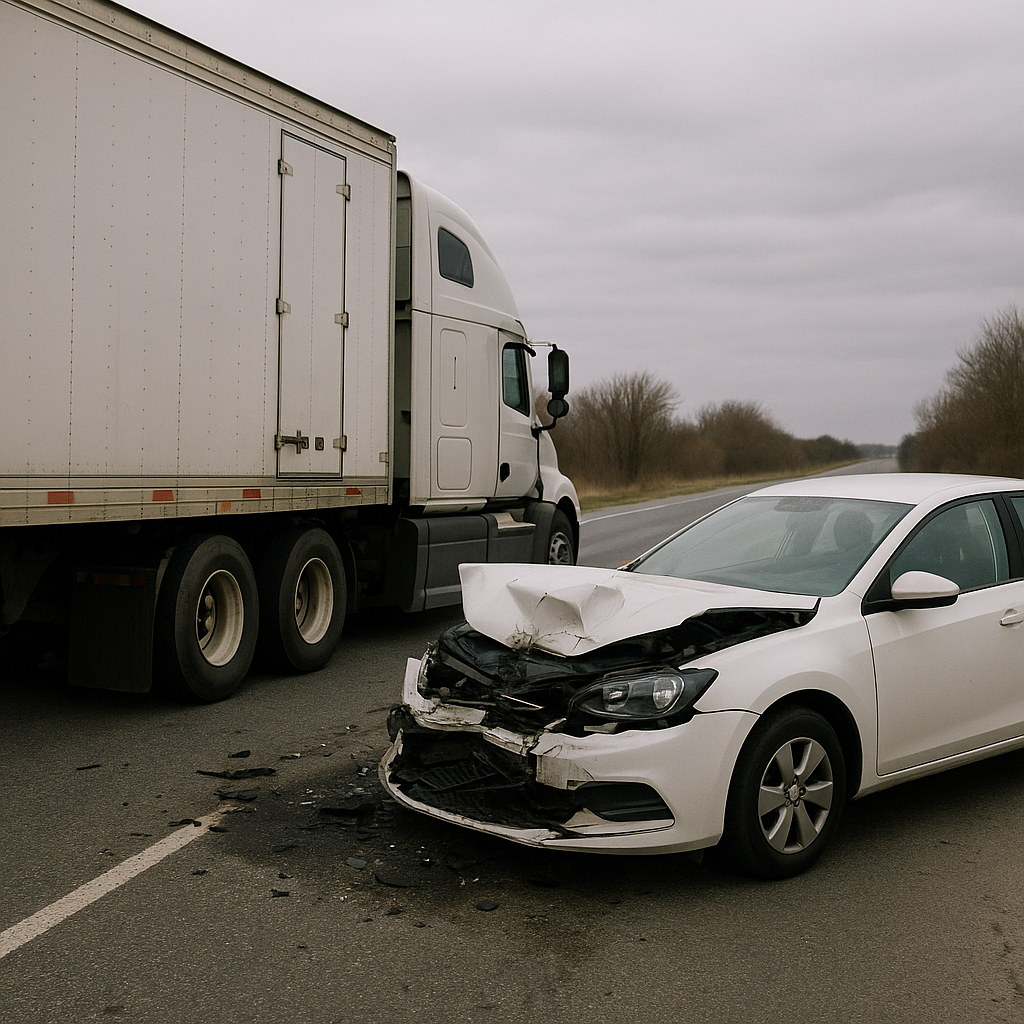
Common Signs of Shock After a Truck Accident
Overview of Shock and Trauma After Truck Accidents
Experiencing a truck accident can be a profoundly startling event. The sheer force and size of trucks often result in incidents that are not only physically impactful but also emotionally overwhelming. In the immediate aftermath, individuals may encounter symptoms collectively known as “shock.” Shock, in this context, refers to both a physical and psychological response to trauma. Understanding the signs of shock after a truck accident is important, as these symptoms can sometimes be subtle and may evolve over time.
Shock is the body’s natural way of responding to a highly stressful event. It is essentially a survival mechanism activated during moments of crisis. However, shock does not manifest the same way for everyone, and its signs can cover a wide range of physical, emotional, and cognitive symptoms. Recognizing these responses helps provide clarity during a confusing and distressing time.
Why the Body and Mind React This Way
When a person experiences a truck accident, the body and mind are exposed to what is, for most, a rare and threatening situation. The brain interprets this threat, and the body responds automatically through the nervous system. The release of adrenaline and other stress hormones triggers what is known as the “fight-or-flight” response. This reaction is both ancient and fundamental, intended to protect an individual from harm.
This state prepares the body by increasing heart rate, boosting energy supplies, and heightening alertness. At the same time, less essential functions—like digestion—are momentarily suppressed so that resources can be directed to immediate survival. The mind, in turn, may enter a heightened state of awareness or, conversely, a form of psychological numbness, which acts as a buffer against the emotional impact of the incident.
Common Reactions People Experience
The signs of shock after a truck accident can be grouped into several categories: physical, emotional, cognitive, and behavioral.
Physical signs can include:
– Pale, cool, or clammy skin
– Rapid heartbeat or pulse
– Shaking, trembling, or chills
– Shallow or irregular breathing
– Feeling faint or dizzy
– Nausea or vomiting
These physical reactions are immediate evidence of the body’s response to acute stress.
Emotional signs often involve:
– Numbness or detachment from feelings
– Sudden bouts of anxiety or panic
– Tearfulness or difficulty expressing emotions
– A sense of helplessness or fear
– Guilt, shame, or self-blame (even when not rational)
Emotionally, individuals might oscillate between feeling completely overwhelmed and feeling nothing at all.
Cognitive signs, relating to thought processes and memory, might include:
– Difficulty concentrating or making decisions
– Disorientation or confusion
– Gaps in memory about the accident
– Intrusive thoughts or flashbacks about the incident
The cognitive symptoms can sometimes cause more distress than physical ones, as they alter the sense of normalcy and control.
Behavioral signs can involve:
– Withdrawing from others or avoiding reminders of the accident
– Restlessness or agitation
– Changes in appetite or sleep patterns
– Becoming unusually quiet or, conversely, unusually talkative
Everyone responds differently. Some people may display several of these signs, while others may only experience a few. Some reactions are immediate, while others surface later.
How These Reactions Can Change Over Time
In the hours and days following a truck accident, the signs of shock may be intense but temporary. For many, symptoms begin to subside once the immediate trauma has passed and the individual is in a stable environment. However, for others, the effects of shock can persist or even intensify with time.
In the immediate aftermath, acute signs—such as trembling, confusion, or emotional numbness—are most common. These responses are normal and often resolve as adrenaline levels return to baseline and the individual processes the event.
In the days to weeks following the accident, lingering or delayed symptoms may emerge. People might find themselves having trouble sleeping or eating, feeling jumpy or easily startled, or experiencing recurring memories of the incident. In some cases, new symptoms can develop as the initial shock begins to wear off.
Long-term changes are less common but can occur, especially if the accident was particularly severe or if the person has experienced previous trauma. Persistent symptoms might include avoidance behaviors, ongoing anxiety, changes in relationships, or difficulties with daily functioning. These reactions are sometimes part of an acute stress response, and while they can be distressing, they are recognized responses to trauma.
It is important to recognize that everyone’s recovery trajectory is unique. Some individuals may feel back to normal relatively quickly, while others might need more time to adjust. Even if symptoms change or linger, they are generally part of the body and mind’s attempt to adapt to a challenging experience.
Closing Reassurance
Truck accidents are unexpected events that can leave a lasting impression on those involved. The signs of shock after a truck accident can vary widely, often encompassing both physical and psychological symptoms. These responses are part of the body’s instinctive reaction to stress and may shift over time as recovery progresses. While these signs can be unsettling, they are a natural response to a significant event. Gaining awareness of how shock can manifest after a truck accident can provide some perspective during what is often a confusing period, supporting a more informed and understanding approach to the process of recovery.