
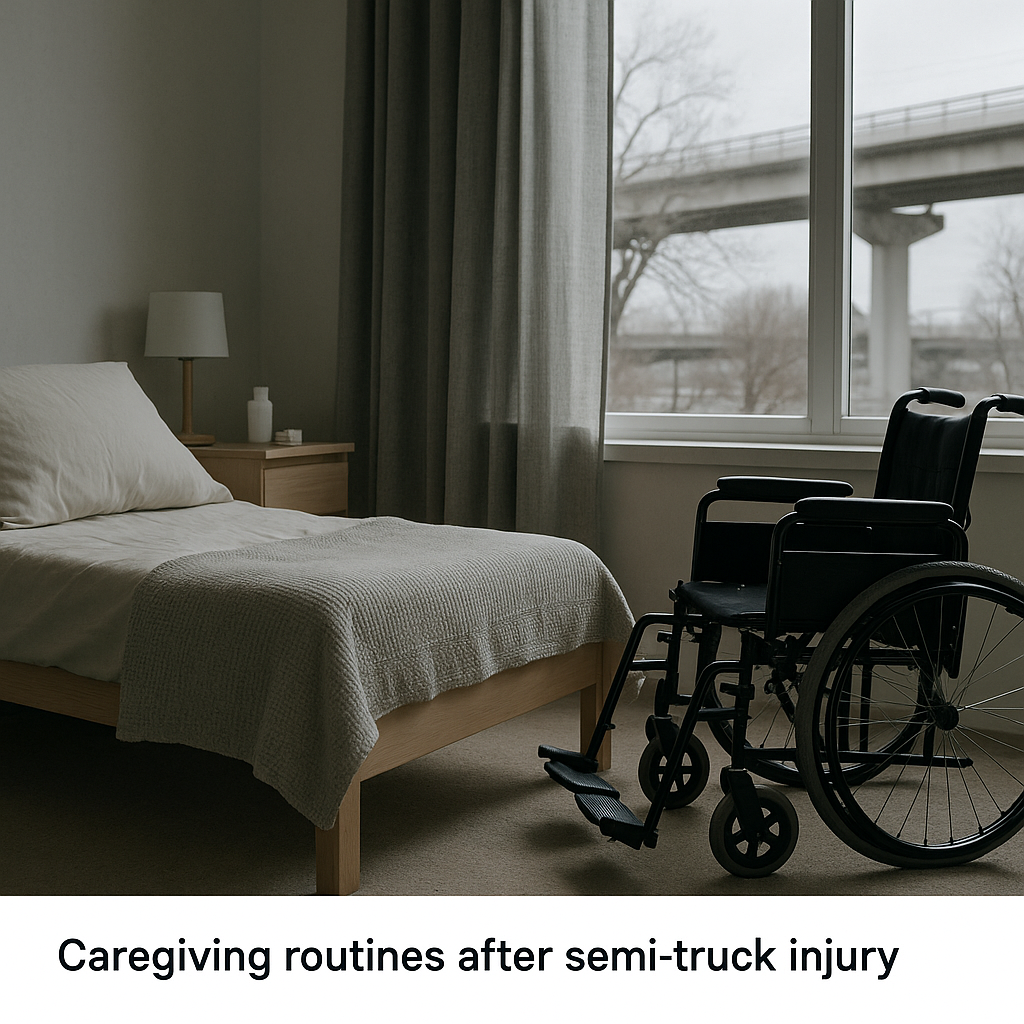
Caregiving Routines After Semi Truck Injuries
When a loved one is injured in a semi truck accident, life can change in an instant. Beyond the immediate medical treatment, families often find themselves navigating new routines and responsibilities. Caregiving after a semi truck injury is rarely a solo task—it involves restructured daily activities, changing relationships, and ongoing emotional adaptation. Understanding what to expect in this transition can help families prepare for the road ahead and support their loved one’s recovery with empathy and effectiveness.
Why Truck Accidents Affect Entire Households
Semi truck accidents can lead to injuries with far-reaching impacts, both visible and invisible. The aftermath of such an event extends well beyond the person directly involved. Because of the severity and complexity of many semi truck injuries, everyday life is often disrupted for everyone in the household. Tasks once taken for granted—preparing meals, helping children with homework, or running errands—may suddenly require new arrangements or assistance.
Caregiving routines after a semi truck injury are rarely straightforward. Depending on the injury, responsibilities can range from administering medication, facilitating physical therapy exercises, or helping with activities of daily living (ADLs) such as bathing and dressing. The ripple effect means siblings, spouses, parents, and even children may need to step into caregiver roles they hadn’t anticipated.
The practical shifts are only one side of the story. Emotional strain, worries about finances, and changes to the family’s social life can all come into play. Recognizing that everyone in the household is affected—directly or indirectly—can foster a greater sense of unity and shared responsibility as the family adapts.
Common Family Role Changes
One of the most significant adjustments following a semi truck injury involves shifts in established family roles. These new caregiving responsibilities often emerge quickly and can be accompanied by uncertainty or stress.
Spousing as a caregiver: When a partner is injured, the other may become both caretaker and sole breadwinner, juggling emotional support, household management, and financial concerns. This shift can create feelings of isolation or fatigue, especially if the injured partner is unable to participate in previous activities or provide mutual support.
Children as helpers: In some households, older children and teenagers may be called upon to assist with caregiving tasks. While this can foster a sense of maturity and empathy, it may also disrupt schooling or social activities. Understanding each child’s capacity and checking in frequently are key to maintaining their well-being.
Extended family involvement: Grandparents or other relatives might step in to provide day-to-day support, particularly if the injury is severe or long-term. Sometimes, families may turn to outside help, such as home health aides or community organizations, to distribute the workload more sustainably.
Role reversals: Parents injured in an accident may see their children take on supportive or decision-making responsibilities, reversing traditional roles. Encouraging open dialogue about these changes can help families maintain their sense of connection and purpose.
Communication Challenges Families Face
Semi truck injuries often change the way families communicate, both because of the emotional toll and practical hurdles. Some common communication challenges include:
Discussing emotions: Family members might suppress their own feelings to protect the injured person or one another. Over time, this can lead to a build-up of unspoken worries or resentment, making it harder to address problems as they arise.
Discussing care needs: It may be awkward or difficult to talk about physical limitations, personal care needs, or changes in ability. Clear, non-judgmental conversations can help the injured person feel respected and maintain their dignity, while also ensuring their needs are met.
Coordinating care: With multiple family members involved in caregiving routines after a semi truck injury, miscommunications about scheduling or responsibilities are common. Establishing regular check-ins, using shared calendars, or designating a point person for care management can streamline the process.
Seeking outside support: Families may hesitate to reach out for professional counseling, local support groups, or respite care, fearing it reflects poorly on their ability to cope. In reality, leveraging community resources often provides essential relief and guidance as families find their new normal.
Long-term Emotional Adjustment Patterns
Adjusting to life after a semi truck injury is a process that unfolds over months or even years. Each family’s journey will look different, but certain emotional patterns tend to emerge:
Initial adaptation: In the days and weeks following the accident, families often operate in crisis mode. Immediate medical decisions and caregiving demands may leave little room for processing emotions.
Ongoing coping: As the dust settles, the reality of the new caregiving routines sets in. Fatigue, uncertainty about the future, and changing relationships can test resilience. During this phase, families often benefit from support groups or counseling to help process their experiences.
Building new routines: Over time, families find ways to adapt their schedules, living spaces, and relationships to the new circumstances. Success in this stage is often marked by more open communication, shared responsibilities, and adaptation of expectations regarding roles and abilities.
Periodic setbacks: Progress is not always linear. Setbacks, medical complications, or changes in care needs can rekindle earlier fears or frustrations. Having established routines and communication strategies can make it easier to navigate these challenges.
Renewed sense of purpose: Many families report that, over the long term, they experience renewed closeness or a deeper appreciation for shared time. These positive outcomes usually emerge alongside ongoing efforts to address stress, remain flexible, and celebrate progress—however incremental.
Neutral Closing Paragraph
Caregiving routines after a semi truck injury bring significant changes for all members of a household. While the journey can be challenging, understanding the emotions and practical adjustments involved can help families adapt with compassion and resilience. Open communication, realistic expectations, and willingness to seek support all contribute to more effective care, supporting both the injured person and their loved ones as they move forward together.