
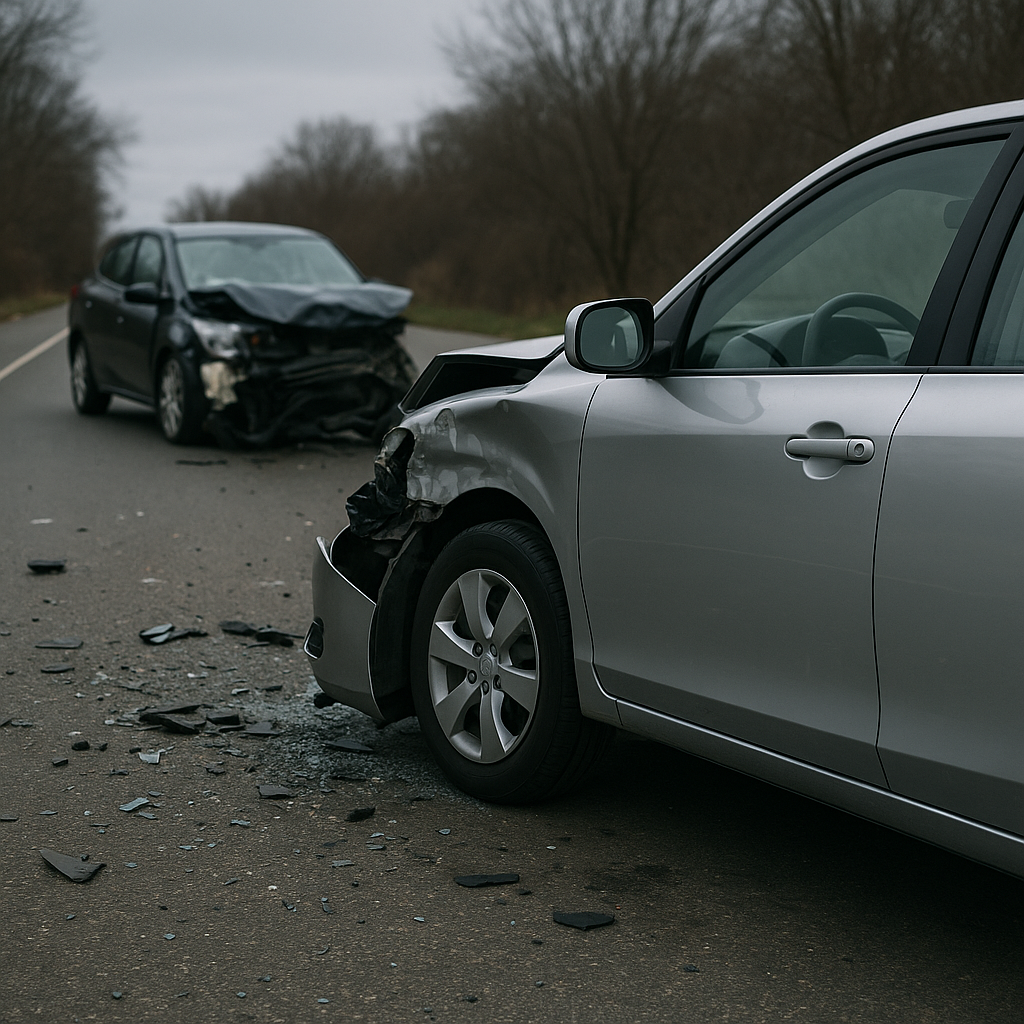
Why Some People Feel Fine Then Crash Emotionally
Experiencing a major life event such as a truck accident can leave lasting emotional and psychological effects, even if the person involved walks away without apparent physical injuries. Often, individuals report feeling completely fine in the immediate aftermath, only to experience a “delayed emotional crash” days or weeks later. This phenomenon can be puzzling and, sometimes, concerning to both those affected and their loved ones. Understanding why this happens requires a closer look at how the human mind and body respond to shock and trauma.
Overview of Shock and Trauma After Truck Accidents
A truck accident is a sudden and overwhelming event that can disrupt a person’s sense of safety and normalcy. The intense nature of a collision, combined with the sheer size and impact potential of trucks, can leave individuals in a state of emotional shock—even if physical injuries are minor or absent.
In the immediate aftermath, shock often acts as the body’s natural shield. People might be unusually calm, focused, or detached from their feelings. This initial response can be misleading; it may seem that the event has not affected them emotionally at all. However, trauma responses do not always appear right away. As the days pass and life begins to resume some sense of normalcy, deeper emotional impacts can start to surface.
Truck accidents, due to their suddenness and severity, are common triggers for a delayed emotional crash. In these cases, it is not uncommon for individuals to only later experience anxiety, fear, sadness, or other intense emotions tied to the event.
Why the Body and Mind React This Way
The human body and mind are finely tuned to respond to dangerous and stressful situations. When a person experiences a sudden shock such as a truck accident, the body’s fight-or-flight response is automatically triggered.
Physiological Response: The body releases stress hormones like adrenaline and cortisol, which sharpen awareness, increase energy, and numb pain. This immediate response helps individuals perform crucial tasks—such as getting to safety, assisting others, or dealing with authorities.
Emotional “Numbing”: At the same time, the mind may suppress or “freeze” emotional reactions to keep the person functional in a stressful situation. This state of emotional numbness or psychological detachment can last minutes, hours, or even days.
Delayed Processing: Once the initial crisis has passed and the body’s stress hormones subside, the mind begins to process what has happened. It is at this point that emotions that were previously set aside may resurface more strongly. This is the moment when the delayed emotional crash often occurs.
Common Reactions People Experience
Everyone’s emotional response to trauma is unique, but several common reactions occur following a truck accident or other intense shock:
– Heightened anxiety or fear: Individuals may find themselves overly alert, easily startled, or preoccupied with thoughts about the accident.
– Sadness or grief: There may be feelings of loss—not just for any physical damages, but for a lost sense of security or routine.
– Sleep disturbances: Trouble falling or staying asleep, or experiencing nightmares related to the event, is common.
– Irritability or anger: Emotional volatility, including unexpected bursts of anger or mood swings, can emerge as the mind tries to cope.
– Difficulty concentrating: Trouble focusing on everyday tasks can be a sign that the mind is preoccupied with processing the traumatic event.
– Physical symptoms: Headaches, muscle aches, or digestive issues are not uncommon as the body somatically expresses stress.
– Withdrawal: Some people choose to avoid places, situations, or conversations that remind them of the accident, which may manifest as social withdrawal or isolation.
How These Reactions Can Change Over Time
Emotional responses to trauma are rarely static. In the days to weeks following a truck accident, someone who initially felt fine may notice a gradual increase in distress. Symptoms might grow stronger, remain steady, or fluctuate. For many, emotions gradually subside as life reestablishes its rhythms and the mind processes the event.
However, for some, emotional reactions may persist or emerge in unexpected ways. Certain triggers—a sound similar to screeching tires, the sight of a truck, or returning to the scene of the accident—can provoke strong feelings even months later.
It’s also important to recognize that support from friends, family, or professional resources can affect how these reactions evolve. Some people may bounce back relatively quickly, while others might find distress lingering. There isn’t a single “correct” timeline for recovery, and emotional experiences can be different for everyone.
Closing Reassurance Paragraph
Encountering a delayed emotional crash after a truck accident is a natural and recognized response to trauma. While the initial sense of feeling fine may offer some comfort, it is not unusual for emotions to shift and intensify after some time has passed. These fluctuations are part of the way the mind and body work to manage and recover from unexpected, stressful events. Acknowledging and understanding these feelings may be helpful steps toward overall well-being. Remembering that these reactions are common can provide reassurance to those experiencing them and those who care about them.