
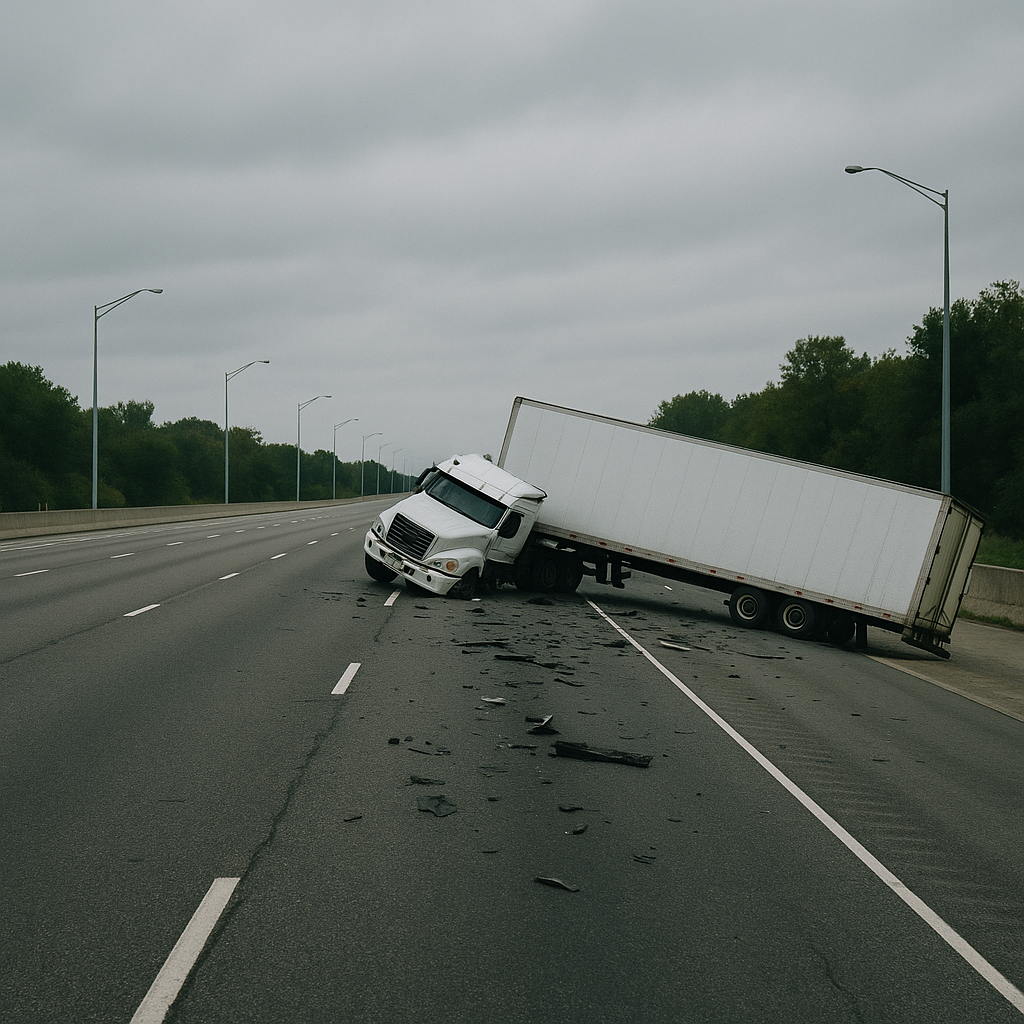
Fear of Highways After a Semi Truck Crash
Overview of Shock and Trauma After Truck Accidents
Individuals who endure a collision involving a semi truck may find themselves struggling with a variety of emotional and psychological responses. One of the lingering effects some people experience is a pronounced fear of highways, especially where large trucks are present. Such fears are often rooted in trauma and shock following the event. For many, the wide, fast-paced lanes of a highway and the mere sight of a semi truck can serve as reminders of the crash, sometimes causing distress long after physical injuries have healed. Understanding this reaction is the first step toward recognizing it as a common consequence of traumatic experiences.
Experiencing a traumatic event, such as a crash with a semi truck, can profoundly disrupt an individual’s sense of safety and routine. Even if immediate medical treatment addresses physical wounds, the emotional aftereffects can persist, sometimes reappearing unexpectedly. The shock from a sudden, life-threatening accident shakes not only one’s confidence in their safety on the road but also the broader trust in a predictable world. This can manifest as a specific fear of highways or as generalized anxiety related to driving.
Why the Body and Mind React This Way
The human body and mind are wired to respond to threats in ways that increase the chance of survival. The aftermath of a semi truck crash can activate these natural responses, which sometimes remain even after the danger has passed. This phenomenon, often referred to as a “trauma response,” is the body’s way of staying alert to possible future hazards by associating certain environments—like highways or proximity to large trucks—with risk.
Chemicals like adrenaline and cortisol surge during an accident, driving the “fight, flight, or freeze” response. In the days, weeks, or even months after the incident, similar bodily reactions may trigger in comparable scenarios, such as merging onto a highway or seeing a truck in the rearview mirror. The mind can replay parts of the crash or dwell on ‘what-if’ scenarios, while the body may react with increased heart rate, sweating, or muscle tension. Over time, the connection between highways, trucks, and the memory of the crash can become ingrained, making driving or even being a passenger on highways feel daunting.
Developing a fear of highways after a semi truck crash is a natural consequence of the mind and body trying to keep a person safe. Instead of being purely rational, these responses are often rooted in deeply embedded patterns meant for protection, even if those patterns sometimes interfere with everyday life.
Common Reactions People Experience
People who develop a fear of highways after a semi truck crash may encounter a range of reactions. Some of these are emotional, while others are physical or behavioral. Common responses include:
– Anxiety and nervousness at the thought of driving on the highway, especially near large trucks.
– Physical symptoms such as an increased heart rate, shallow breathing, sweating, or muscle tension.
– Avoidance behaviors, including taking alternate routes to avoid highways or refusing to drive altogether.
– Intrusive memories of the accident, sometimes resulting in flashbacks or vivid recollections while driving.
– Heightened startle response, where sudden noises or fast-moving vehicles trigger exaggerated reactions.
– Difficulty concentrating or feeling distracted when near trucks on the highway.
– Sleep disturbances, such as trouble falling asleep or staying asleep, particularly when thinking about driving.
Each individual’s response varies, and the intensity may fluctuate over time. In some cases, people may experience a persistent fear that influences daily routines, while in others, these feelings gradually subside.
How These Reactions Can Change Over Time
The fear of highways after a semi truck crash can shift as time passes. For some, initial reactions like anxiety or avoidance may diminish naturally with distance from the event and increased exposure to driving. Gradually, familiar routes or shorter stretches of highway may feel less intimidating. Over time, certain triggers—such as seeing a semi truck or merging onto a busy freeway—may lose some of their intensity as new, safe driving experiences accumulate.
For others, the fear may persist or even intensify, particularly if circumstances remind them of the crash. Life stressors, anniversaries of the accident, or exposure to news of other truck crashes can sometimes evoke old fears. In a few cases, avoidance may expand beyond highways, affecting a person’s willingness to drive at all.
Some people notice changes in their reactions based on personal factors such as support from others, the presence of familiar passengers, or having control over driving conditions (for example, choosing to drive during less busy times). Over time, gentle and gradual re-exposure to highways—if and when a person feels ready—may contribute to a reduction in distress.
Reactions to trauma are highly individual, and while some people move past highway fears relatively quickly, others may find it to be a longstanding challenge. No single timeline applies to everyone, and responses should be viewed with patience and understanding.
Closing Reassurance
Navigating the fear of highways after a semi truck crash can be a uniquely challenging experience. The body and mind often act out of a need for safety, even when the immediate danger has passed. These reactions are not uncommon, and people respond in different ways over time. While there may be ups and downs, gradual changes and individual differences are part of the healing process. The journey is deeply personal, and it may take time to determine what feels manageable and comfortable in the aftermath of such an event.