
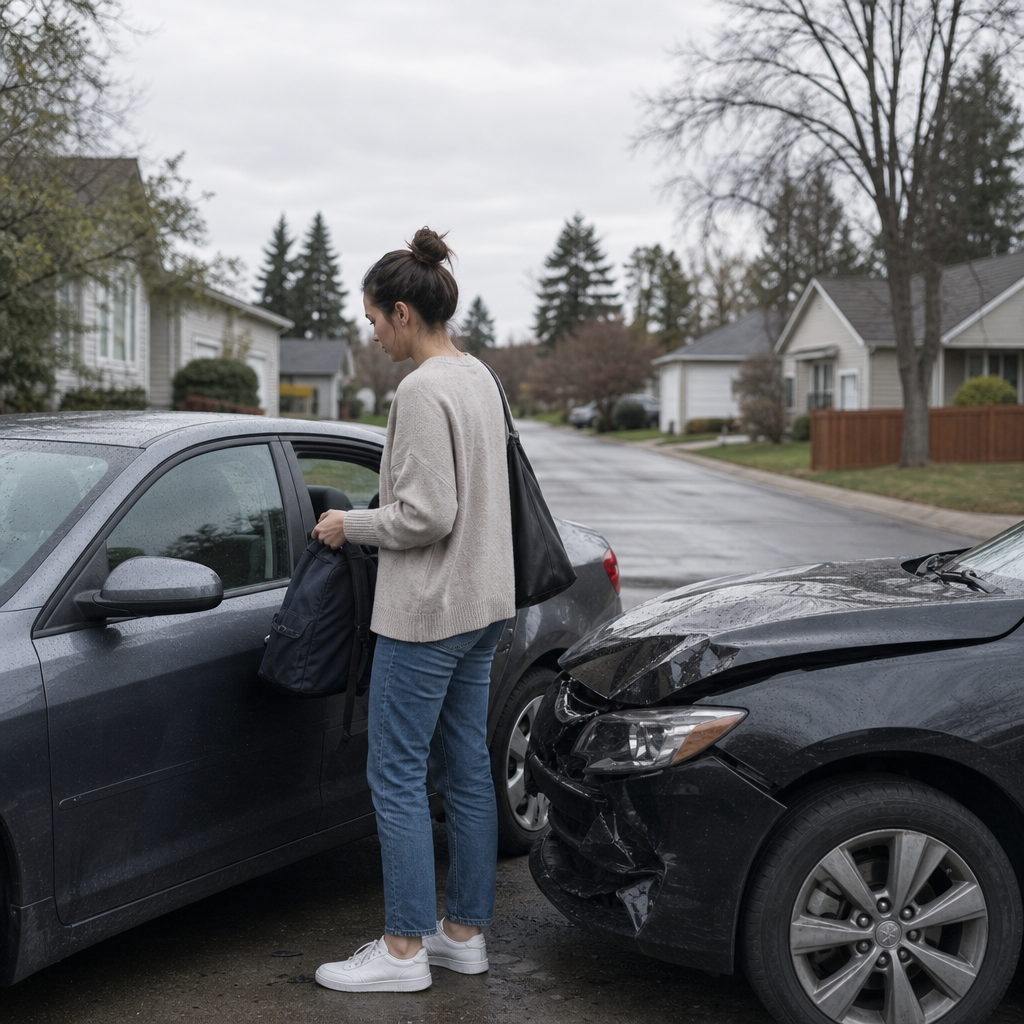
Crash scenes involving semi trucks often leave lasting marks on people’s lives. Days afterward, routines feel unfamiliar. Moments that used to pass unnoticed start to define everything. Life, once ordinary, gets split into a clear before and after.
Unseen Physical and Emotional Toll
Bruises fade, but deeper aches sometimes linger much longer. Many people talk about battling headaches or waking stiff. Sleep can turn restless, as pain often interrupts the night. There’s a common unease about sudden movements or sounds. Fatigue, too, becomes a companion, making even simple tasks seem impossible some days.
Emotions change shape in subtle ways. People may notice anxiety rising during commutes. Confidence can erode, replaced by hesitation at intersections or around big trucks. Friends and family witness irritability or silence, unsure how to help. Some describe feeling trapped, replaying what happened in their minds while wishing for a return to normalcy.
Daily Routines and New Challenges
Morning rituals sometimes fall apart. Dressing or showering might take double the time due to soreness or fear of slipping. Parents with children may have trouble keeping up with their kids’ demands, feeling both guilt and frustration. Simple errands lose their ease, as people calculate whether steps or stairs are too much.
Getting behind the wheel can pose a new challenge. Tension creeps in with every rumble on the highway. Grocery runs, once quick and easy, now bring worry about traffic or crowded lots. Some avoid driving altogether, depending on friends or public transit more than before.
Work and Financial Uncertainty
Returning to work introduces another set of worries. Standing for shifts or sitting for hours at a desk might be painful or impossible. Coworkers wonder why someone is absent more often or less social. Deadlines turn into sources of stress, and some find themselves distracted by aches or appointments.
Expenses pile up quickly. Some people worry about missed paychecks or struggle to pay for ongoing medical care. Bills for prescriptions or therapy sessions show up in mailboxes at the wrong times. Financial pressure quietly builds, adding to the strain already present.
Relationships and Social Life
Social circles sometimes shrink. Invitations are turned down because healing is slow, or nerves feel too raw to pretend everything is fine. Energy once spent on hobbies or nights out is now rationed for doctor visits or resting at home.
Family members step in more, handling chores or providing rides. Roles within the household shift, sometimes creating friction. Children see their parents differently—maybe with more worry or impatience. The warmth of support feels comforting, but also brings reminders of dependence and lost independence.
This page is for general informational purposes only. It does not provide legal advice or direction of any kind.