
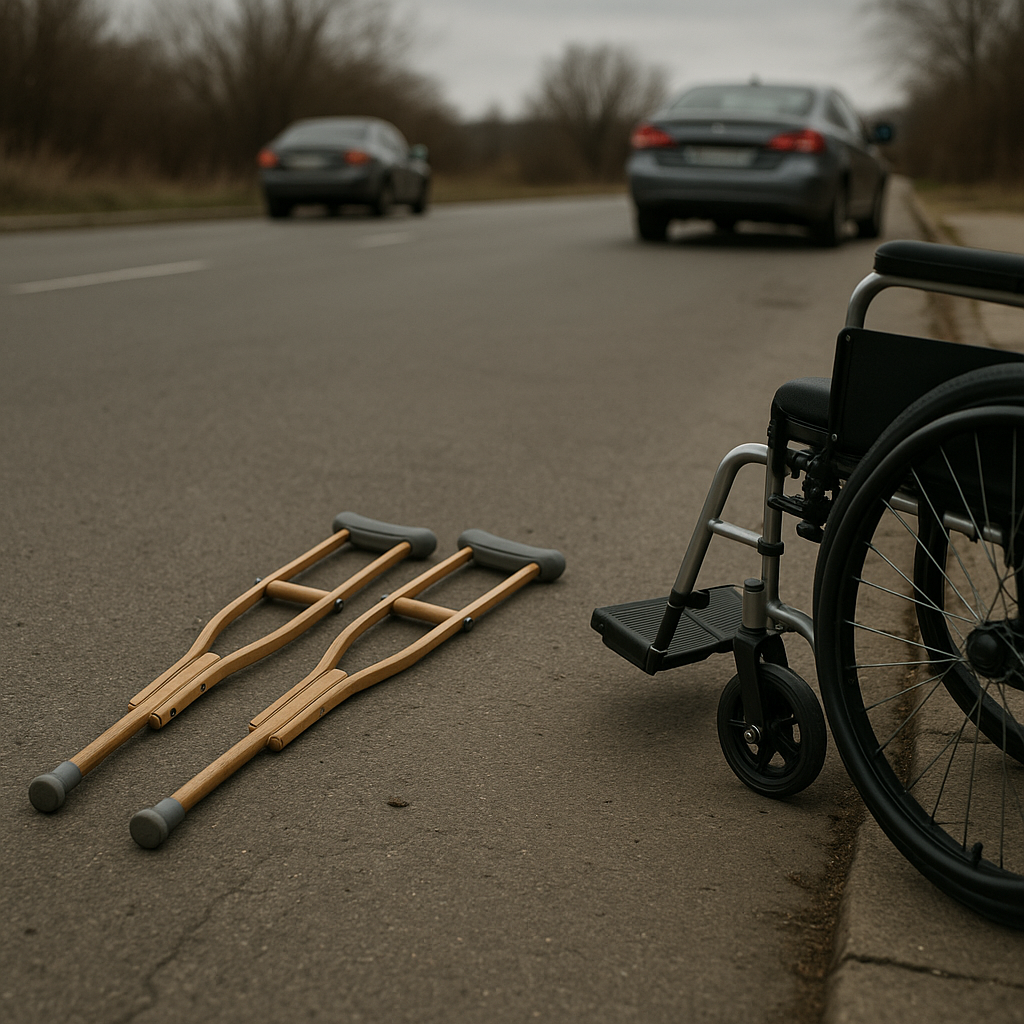
Why do I feel frustrated with my body?
Experiencing feelings of frustration with one’s body is not uncommon, especially following a significant event such as a severe accident. If you find yourself thinking, “Why do I feel frustrated with my body after an accident?”, you are not alone. Many individuals encounter strong emotional reactions when their physical abilities are suddenly changed or limited. This article explores the commonality of this question, offers a clear explanation of why it arises, and addresses frequent misconceptions that can affect one’s perspective.
Why this question is common after severe accidents
After a severe accident, everyday routines and physical abilities can change dramatically. Someone who once moved easily may now face chronic pain, reduced mobility, or the need for assistance with tasks. These changes can be jarring. It is understandable that a sense of loss, disorientation, or helplessness may develop as people navigate their recovery.
From broken bones to traumatic injuries, the rehabilitation process is often complex and unpredictable. Frustration can build when progress is slow, setbacks occur, or when the body doesn’t seem to respond as hoped. Even minor tasks can become major challenges, and activities once taken for granted might now seem out of reach or require considerable effort. This sudden, uninvited dependence on others or on medical devices can feel unsettling.
When routines, independence, and self-image are altered without warning, questions like “Why am I so frustrated with my body after this accident?” naturally arise. It is a question shared by people in physical therapy rooms, support groups, hospital wards, and private moments alike.
Clear neutral explanation
Feeling frustrated with your body after an accident is a natural emotional response to a significant shift in physical capabilities, routine, and autonomy. Accidents can create sudden changes to the body’s appearance, movement, or function, resulting in a mismatch between expectations and reality. This disconnect often leads to a sense of disappointment, loss, or anger.
The mind retains memories of what life was like “before.” When trying to do an action that now feels harder—standing, reaching, speaking, or walking—the difference becomes stark and can prompt an internal struggle. The body no longer aligns with previous self-perceptions or routines, and this can result in emotional tension.
Medical recovery processes can also be lengthy and unpredictable. Progress might happen in small increments, if at all. Setbacks are possible, and pain or fatigue may persist. The emotional response of frustration does not necessarily reflect a character flaw or weakness; it is a signal that your life has changed in profound ways, and it takes time for both body and mind to adjust.
Helpful emotional context
Frustration after an accident is not simply about the body’s physical limitations, but also about the emotional adaptation required. Surviving a severe accident often brings with it feelings of vulnerability, uncertainty, or fear. When previously ordinary actions become difficult or impossible, a person may grieve the loss of their former ease, independence, or appearance.
This period of frustration can also intersect with feelings of isolation. Friends, family, and colleagues may not fully understand what the individual is experiencing on a day-to-day basis. The frustration may stem from this sense of being misunderstood, as well as from the demanding process of learning to rely on others.
Additionally, in the time following an accident, attention is often focused on physical healing and rehabilitation. The emotional aspects may feel secondary, yet they are deeply interconnected. The frustration that arises is a signal of adjustment, of caring deeply about returning to a sense of normalcy, and of the complex work involved in healing both physically and emotionally.
Common misconceptions
There are several misconceptions about post-accident recovery that can add to feelings of frustration with the body:
– “I should recover quickly, like others.” Recovery timelines vary greatly from person to person, and comparing oneself to others can feel disheartening and misleading.
– “If I work hard enough, I won’t feel this way.” Emotional responses are not simply controlled by willpower or effort. Healing is complex and involves both physical and emotional states.
– “Feeling frustrated means I’m not grateful to have survived.” It’s possible to feel deep gratitude and frustration simultaneously—these emotions are not mutually exclusive.
– “This frustration will last forever.” The sense of frustration may ebb and flow over time and doesn’t have to define the entire recovery process.
Assumptions like these can create pressure and self-criticism, making it harder to recognize the legitimacy of your emotional response.
Closing paragraph
Questioning, “Why do I feel frustrated with my body?” is a normal and valid part of adapting to life after a severe accident. These feelings arise from dramatic changes in routine, independence, and identity. Frustration often signals the natural adjustment process and is shaped by both emotional and physical realities. Recognizing common misconceptions and understanding what fuels this reaction can help to bring clarity and self-compassion to this challenging experience. The journey through recovery includes not only physical healing but also emotional adaptation, and both are significant parts of moving forward.