
Why Do I Feel Scared About the Future?
Feeling scared about the future is a deeply human experience, one that becomes even more pronounced after significant life events such as severe accidents. Many individuals find themselves grappling with new and unfamiliar fears, often centered around what is to come. Understanding why this happens can be an important step towards acknowledging and validating these emotions.
Why This Question Is Common After Severe Accidents
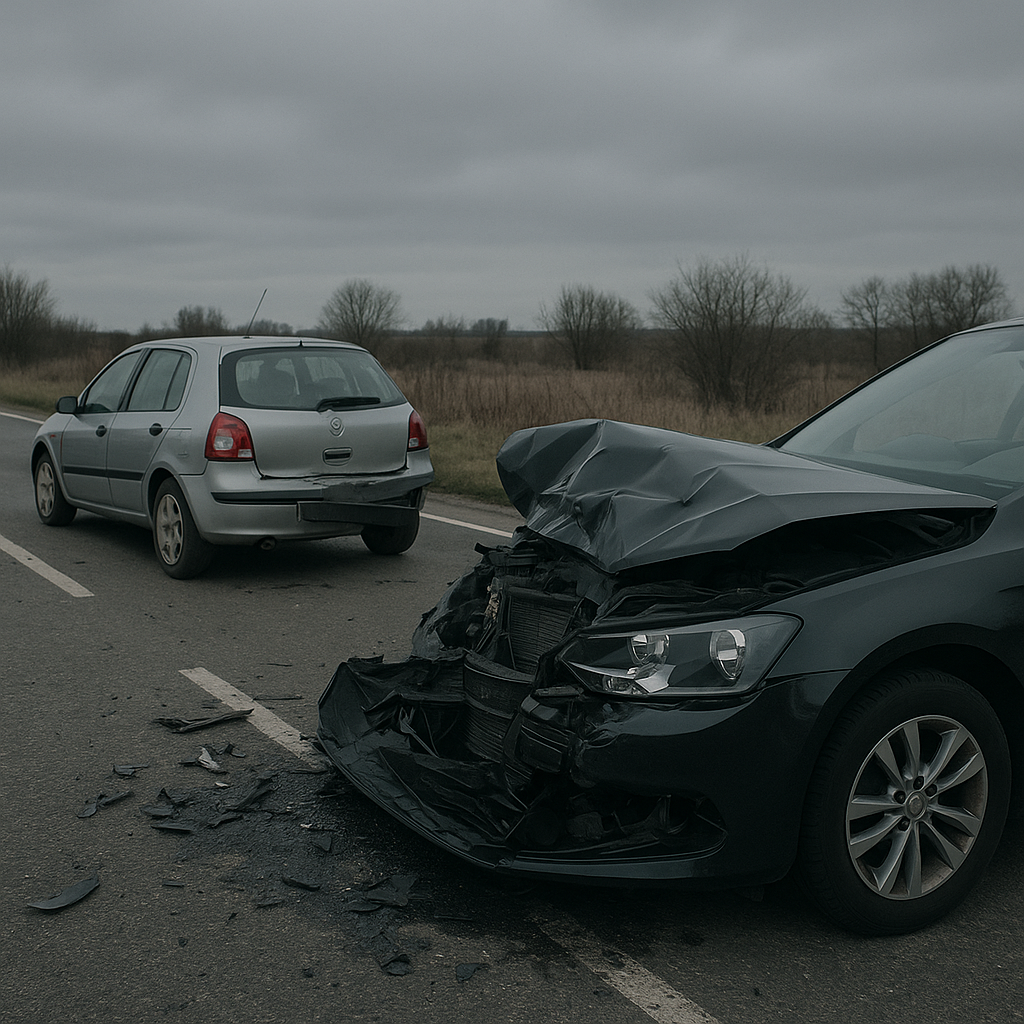
Asking “why do I feel scared about the future” is a frequent concern for people who have experienced severe accidents. Traumatic incidents often disrupt the predictable flow of daily life, creating a sense of instability. In the immediate aftermath, priorities shift to physical healing and basic safety, while the bigger picture—the uncertain future—can feel overwhelming. It’s common to question what lies ahead after such a profound disruption.
Prior to an accident, there may have been underlying beliefs about safety and control. Accidents can challenge these beliefs, sometimes shattering the assumption that life will unfold as expected. Recovery periods can also bring extended time for reflection, during which fears about employment, independence, relationships, or physical abilities may surface. These worries are often amplified by new limitations, unfamiliar medical terms, or unknown outcomes, making the question “why am I scared about the future after accident” a shared and understandable concern.
Clear Neutral Explanation
The experience of feeling scared about the future, especially after an accident, can be attributed to several psychological and physiological factors. Fundamentally, humans tend to seek stability and predictability. An accident is by definition unexpected, introducing uncertainty into areas of life that may previously have felt secure. These unforeseen changes can make the future appear especially daunting.
When confronted with a traumatic event, the brain’s natural stress response is activated. This includes the release of hormones such as cortisol and adrenaline, which prepare the body for “fight or flight.” While this response can be critical in immediate, life-threatening situations, its effects can linger long after the event itself. As a result, individuals might experience heightened vigilance, intrusive thoughts, and persistent worry about what might happen next.
Uncertainty about recovery, the potential for re-injury, or changes in daily routines can all contribute to a growing fear of the future. The mind tends to focus on unknowns and variables that are out of one’s control, which can make previously routine activities now seem risky or overwhelming. The combination of disrupted expectations, changes to physical or cognitive abilities, and the body’s own stress response creates an environment where feeling anxious or scared about the future is a natural outcome.
Helpful Emotional Context
Emotionally, the fear of what is to come after an accident is often rooted in the loss of stability and trust in one’s environment. Life is typically organized around routines, plans, and habits that create a sense of security. When an accident interrupts this structure, a gap is left that can fill with uncertainty. Fear, in this emotional context, is not just a reaction to potential future events, but also a reflection of the loss of what was once familiar and safe.
Adjusting to changes or limitations imposed by an accident can also stir feelings of vulnerability. This heightened sense of vulnerability may lead individuals to question their ability to handle new challenges or setbacks. Emotional responses such as sadness, frustration, and even anger may become intertwined with fear, painting a more complex internal landscape. In these circumstances, feeling scared about the future is often the mind’s way of trying to regain footing in an altered world.
Common Misconceptions
There are some common misconceptions related to post-accident fears about the future. One prevalent myth is the idea that such fears indicate weakness, or that they are a sign of failure to cope. In reality, these feelings are a normal part of the recovery process for many people. Another misconception is that the fear will go away quickly as physical injuries heal. While some individuals may find relief over time, for others, emotional recovery may proceed differently or follow its own timeline.
It is also sometimes assumed that people who appear outwardly strong are not struggling with these fears. However, individuals process trauma and uncertainty in unique ways, and external appearances don’t always reflect internal experiences. Additionally, there can be a belief that being scared about the future after an accident is something to be eliminated rather than acknowledged and understood. In truth, these emotions often serve a protective function—they can motivate practical planning and encourage vigilance toward potential hazards, but they are also a valid response to significant life disruption.
Closing Paragraph
Feeling scared about the future is a common experience, especially for those who have endured severe accidents. This apprehension is shaped by both physical and psychological changes, as well as natural emotional responses to loss of stability and certainty. Rather than being a sign of personal failure, these fears are an expected and understandable reaction to significant life change. Recognizing this can create space for self-compassion and acceptance as one navigates the pathway forward—however uncertain it may seem.